

You face a clear choice: snap-in dentures give you removable convenience and lower up-front cost, while dental implants offer greater stability, chewing strength, and longer-lasting results. If you want a permanent solution that preserves jawbone and feels most like natural teeth, dental implants are usually the better long-term investment; if you prioritize affordability and a non-surgical option, snap-in dentures can meet your needs.
This article explains what each option involves, compares benefits and drawbacks, outlines who is a good candidate for each, and breaks down long-term outcomes and costs so you can decide which fits your lifestyle and budget. Keep reading to match your priorities—comfort, durability, or cost—with the solution that works best for your mouth.
What Are Dental Implants and Snap-In Dentures?
You’ll learn how each option attaches in your mouth, how they affect chewing and bone health, and what maintenance and costs to expect. The descriptions below focus on structure, procedure, and practical differences that matter when choosing between them.
Dental Implants Overview
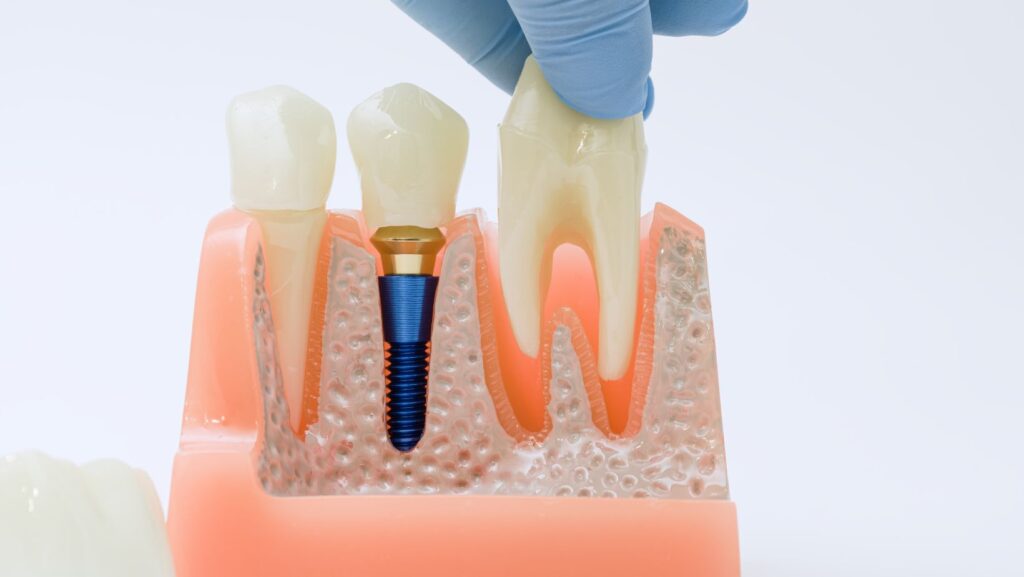
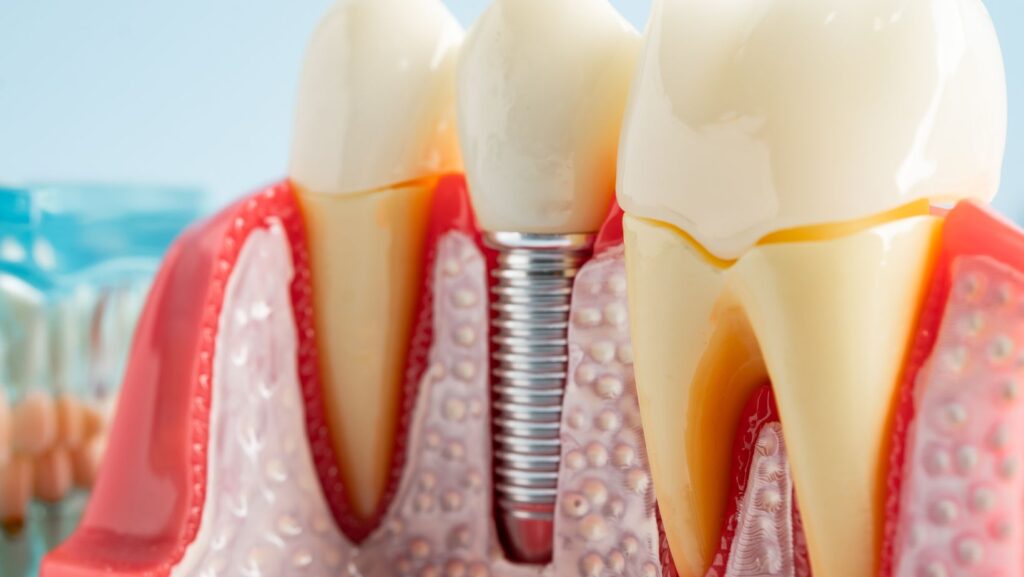
Dental implants are titanium posts surgically placed into your jawbone to replace tooth roots. After healing, they fuse with bone (osseointegration) and provide a stable anchor for single crowns, bridges, or full-arch prostheses like All‑on‑4.
You can expect multiple visits: implant placement, a healing period of weeks to months, then attachment of the final restoration. Implants preserve jawbone by transmitting chewing forces to bone, which helps prevent the bone loss that follows tooth extraction.
Care resembles natural teeth: brush, floss, and maintain regular dental checkups. Not everyone qualifies immediately; you may need bone grafting or other preparatory procedures if your jawbone or gums are compromised.
Snap-In Dentures Overview
Snap-in dentures (implant-retained overdentures) use two to four implants to hold a removable denture in place via locator attachments. The denture “snaps” onto the implant abutments for improved stability compared with traditional dentures.
You remove the prosthesis daily for cleaning, but the snaps reduce movement during eating and speaking. Snap-in dentures are less expensive than full fixed implant bridges and often require less surgery, making them a practical step-up from conventional dentures.
They offer better chewing efficiency and comfort than non‑implanted dentures, yet the denture base still covers the gums and may require periodic adjustments or replacement of the attachments.
Key Differences Between Options
Function: Implants fixed with bridges or full-arch prostheses act like permanent teeth; you don’t remove them. Snap-in dentures remain removable and depend on the denture base for much of the bite surface.
Stability and chewing: Fixed implants deliver higher chewing force and feel more natural. Snap-ins significantly improve stability over conventional dentures but still limit maximal chewing efficiency compared with fixed implant restorations.
Bone and tissue effects: Fixed implants better preserve jawbone long-term by distributing forces through multiple implants. Snap-in overdentures help reduce bone loss compared with traditional dentures but less so than permanent implant-supported bridges.
Cost and complexity: Fixed implant solutions (All‑on‑4, fixed bridges) are more costly and may involve more complex surgery and longer treatment time. Snap-in dentures lower upfront cost, simpler surgery, and easier future maintenance, but may require component replacements.
Maintenance: Fixed implant prostheses are cleaned like natural teeth (some require professional removal for maintenance). Snap-ins require daily removal, cleaning of the denture, and periodic replacement of locator attachments.
Benefits and Drawbacks
You’ll weigh long-term function, cost, and maintenance when choosing between implants and snap-in dentures. Each option affects chewing strength, bone health, treatment time, and daily care in different ways.
Advantages of Dental Implants
Dental implants fuse to the jawbone, which preserves bone volume and prevents the facial collapse that can follow tooth loss. You get near-natural chewing force; implants commonly restore 70–100% of bite strength compared with natural teeth, so you can eat firmer foods without slippage.
Implants are fixed (unless you choose an implant-supported removable prosthesis), so you don’t deal with adhesive or daily removal. Lifespan is long—well-placed implants with good oral hygiene often last decades. Expect higher upfront cost and a multi-month process for surgery and healing, plus occasional maintenance like crown replacement.
Pros and Cons of Snap-In Dentures
Snap-in dentures (implant-retained overdentures) clip onto two or more implants, giving far greater stability than conventional dentures. You’ll see improved speech and chewing versus traditional dentures, and the prosthesis remains removable for cleaning, which some patients prefer.
They cost less than full fixed-implant bridges and require fewer implants, but chewing efficiency stays lower than fixed implants. You’ll still remove the denture daily and need periodic replacement of the snap attachments. Bone preservation is better than with conventional dentures but less than with full-arch fixed implants.
Comparative Challenges and Considerations
Surgical risk and healing time differ: implants require implant placement surgery and several months for osseointegration; snap-ins need fewer implants and shorter surgical time. If you have significant bone loss, you may need grafting for implants, which raises cost and time.
Consider cost vs function: fixed implant bridges deliver superior function and longevity at higher cost; snap-in dentures offer a middle ground—improved stability and lower cost but ongoing attachment maintenance. Think about your dexterity and hygiene habits: snap-ins ease cleaning by being removable, while fixed implants demand prosthesis-level care but avoid daily handling.
Suitability and Candidacy
You need options that match your jawbone health, budget, daily routine, and long‑term goals. The next subsections explain who typically qualifies for implants, who benefits from snap‑in dentures, and the main factors you and your dentist weigh when deciding.
Who Should Consider Dental Implants
You should consider dental implants if you want a long‑term tooth replacement that feels and functions like natural teeth. Ideal situations include single missing teeth, multiple gaps, or plans for a fixed full‑arch bridge (for example All‑on‑4 or All‑on‑6).
Good bone volume in the jaw is essential; if bone is insufficient, you may need grafting before implants. You should also have healthy gums and be free of uncontrolled systemic conditions such as untreated diabetes or active heavy smoking, which raise failure risk.
Expect a higher upfront cost and a multi‑stage treatment timeline that includes surgery and healing. If you prioritize chewing efficiency, preservation of jawbone, and permanence over removable options, implants often fit your goals.
Ideal Candidates for Snap-In Dentures
Snap‑in dentures suit you if you want improved denture stability without the cost or surgery of fixed implants. These use two to four implants per arch to anchor an overdenture that snaps on and off daily.
Candidates include people with moderate jawbone loss who want easier hygiene access and those who prefer a reversible, lower‑cost option. You still need sufficient bone where implants are placed, but the requirements are lower than for full fixed bridges.
Snap‑in dentures work well when you seek better chewing and speech than traditional dentures, but you accept a removable prosthesis and periodic clip/attachment maintenance.
Factors Affecting Decision-Making
Medical history, bone quantity and quality, and oral hygiene habits strongly influence which option suits you. Your dentist will evaluate CBCT or x‑rays to measure bone height and density, and will review medications (e.g., bisphosphonates) that affect healing.
Lifestyle factors matter: heavy smoking, alcohol use, or poor denture care lower long‑term success for both choices. Budget and expected longevity guide choices too — implants cost more initially but last longer; snap‑in dentures cost less but may need attachment replacement.
Use this checklist with your clinician:
- Health: diabetes control, smoking status, medication review
- Anatomy: bone volume, gum health, sinus location (for upper arch)
- Goals: permanence vs removability, esthetics, chewing needs, maintenance capacity
Long-Term Outcomes and Cost Considerations
You’ll see trade-offs between upfront cost, ongoing maintenance, and how each option affects chewing, bone health, and long-term expenses. Think about expected lifespan, routine care needs, and how each choice fits your budget and daily life.
Longevity and Maintenance
Dental implants are designed to be a permanent solution when placed and maintained correctly. Individual implant fixtures (titanium or zirconia) can last decades or a lifetime, but the crown or prosthetic tooth may need replacement every 10–20 years depending on wear and oral hygiene.
Snap-in dentures rely on implant attachments or a bar and generally require periodic relining, clip replacement, or denture refurbishment every 3–7 years. You’ll still need regular professional cleanings and checks for both options, but snap-in dentures typically demand more frequent prosthetic maintenance.
Monitor peri-implant tissue health for both choices. Poor oral hygiene, smoking, or uncontrolled diabetes increases risk of complications such as peri-implantitis, which can shorten the functional life of implants or attachments.
Cost of Dental Implants vs Snap-In Dentures
Expect higher initial fees for implants. A single tooth implant commonly ranges from about $3,000–$5,000, while an implant-supported overdenture system (snap-in) or full-arch implant solutions vary widely by region and clinic. Traditional dentures often start lower, around $1,000–$1,500, but snap-in systems sit between simple dentures and full fixed-implant reconstructions in price.
Factor in long-term costs: implants typically require less frequent replacement, which can lower lifetime cost despite higher upfront investment. Snap-in dentures have lower initial implant count and lower surgical cost but may incur recurring expenses for new clips, relines, or denture replacement every few years.
Use a simple checklist to compare costs:
- Upfront surgery and prosthesis fees
- Expected replacement cycles (crowns, clips, dentures)
- Ongoing hygiene and maintenance visits
- Potential revision or complication treatment
Impact on Quality of Life
Implants provide superior chewing efficiency and a more natural bite, which matters when you eat tougher foods or need stable teeth for speech. You’ll likely notice fewer dietary restrictions with fixed implant crowns or full-arch fixed prostheses.
Snap-in dentures improve stability compared with removable traditional dentures and can restore confidence in public and social settings. However, you may still experience some movement, need to remove them for cleaning, and deal with occasional clip wear or retention loss.
Consider sensory and functional differences: implants preserve jawbone better over time, reducing facial volume loss that can affect appearance. Snap-in solutions slow bone loss compared to conventional dentures but don’t match the bone-preserving effect of individual implants anchored across the arch.