






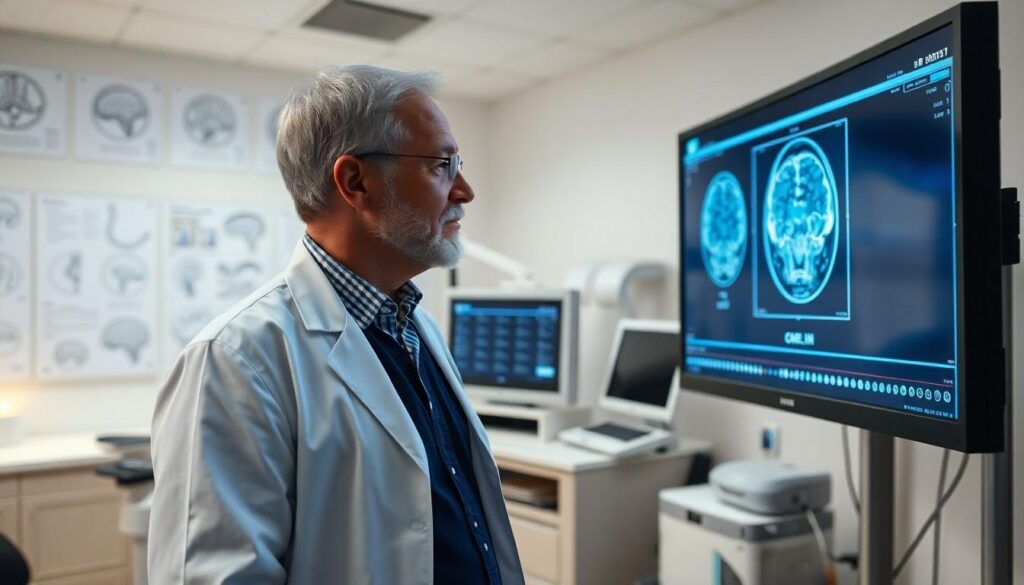
When it comes to understanding the brain, people often find themselves caught in a tug-of-war between neurology and psychology. On one side, neurologists wield scalpels and MRI machines, diving deep into the brain’s wiring. On the other, psychologists sit on comfy couches, analyzing thoughts and feelings like they’re dissecting a Shakespearean play. Both fields are essential, but they approach the mind’s mysteries from different angles.
Neurology Vs Psychology: An Overview
Neurology centers on the biological processes and structures of the brain. This discipline examines brain functions, injuries, and diseases using methods like MRI imaging and electrophysiological tests. Neurologists aim to diagnose and treat conditions such as epilepsy, Parkinson’s disease, and multiple sclerosis.
Psychology, however, delves into human behavior and mental processes. It explores thoughts, emotions, and social interactions through techniques like counseling, therapy, and psychological assessments. Instead of focusing strictly on biological factors, psychologists investigate how cognitive and emotional factors influence behavior.
Distinctly, neurology relies on objective measures, while psychology utilizes subjective assessment methods. Brain scans may reveal structural abnormalities, but psychological evaluations uncover underlying emotional issues. Conditions like depression or anxiety often require psychologists to interpret the patient’s thoughts and feelings.
Both fields share a common goal: understanding the intricacies of the human experience. Neurologists might collaborate with psychologists to address cases where biological issues intertwine with psychological concerns. For instance, traumatic brain injuries can lead to mental health challenges, requiring an integrated approach.
Understanding the overlap and differences between neurology and psychology fosters a more comprehensive view of mental health. Integrating insights from both areas enhances treatment plans and promotes overall well-being.
Key Differences Between Neurology And Psychology

Neurology and psychology differ significantly in their focus and methodology. Each discipline offers unique insights into brain function and behavior.
Focus Areas
Neurology emphasizes the brain’s physical structures and functions. Conditions like multiple sclerosis or stroke fall under this field. It concentrates on analyzing biological processes and diagnosing neurological disorders. Psychological studies, on the other hand, explore human behavior and emotional processes. Researchers examine thoughts, feelings, and social interactions. Issues like anxiety or depression are central to their practice. By studying these different areas, both fields contribute to a deeper understanding of mental health and its complexities.
Methods Of Study
Neurologists employ objective measures such as brain imaging and neurophysiological tests. Technologies like MRIs and CT scans help identify physical brain changes. Psychologists use subjective assessments, focusing on interviews and questionnaires. Techniques like cognitive behavioral therapy emphasize understanding emotional responses. Collaboration between these methods enhances treatment options. The integration of both approaches enables more comprehensive care and effective strategies for managing mental health.
How Each Field Approaches Mental Health
Neurology and psychology each adopt distinct methodologies in addressing mental health. Neurological assessments involve understanding the brain’s physical conditions and structures, utilizing advanced technologies like MRI scans and EEGs. Neurologists diagnose conditions through objective measures such as brain imaging, blood tests, and neurophysiological evaluations. They focus on biological mechanisms and aim to treat conditions, such as epilepsy, through medications or surgical interventions. Data from these assessments guide treatment plans, ensuring targeted and effective interventions.
Psychology approaches mental health from a behavioral and emotional perspective. Psychologists assess an individual’s cognitive and emotional states through interviews, questionnaires, and standardized tests. Their methods emphasize exploring feelings, thoughts, and social dynamics, with an aim to identify patterns that contribute to mental health issues like anxiety or depression. Utilizing therapeutic techniques like cognitive-behavioral therapy, they facilitate understanding and resilience. Collaboration with neurologists occurs when psychological factors intertwine with neurological conditions, offering patients comprehensive care that addresses all aspects of their well-being.
The Interconnection Between Neurology And Psychology
Neurology and psychology share a significant connection in understanding human behavior and brain function. Both fields offer distinct yet complementary approaches to mental health and well-being. Neurologists focus on biological processes and physical brain structures, while psychologists examine emotional and cognitive aspects of behavior.
Advanced tools like MRI machines and EEGs enable neurologists to assess the brain’s physical conditions. They rely on objective measures to diagnose conditions such as epilepsy, Parkinson’s disease, and stroke. This physical understanding lays the groundwork for treatment strategies targeting neurological disorders.
Conversely, psychologists emphasize subjective assessments. They utilize interviews, questionnaires, and therapeutic techniques such as cognitive behavioral therapy. Such methods help identify emotional responses and behavioral patterns linked to mental health issues, including anxiety and depression.
When psychological factors intersect with neurological conditions, collaboration between neurologists and psychologists becomes essential. This teamwork fosters a comprehensive approach, addressing the multifaceted nature of mental health. For instance, treatment plans may incorporate psychological assessments alongside neurologic evaluations, ensuring that both physical and emotional health receive attention.
Integration of these disciplines enhances overall care. Patients benefit from interventions that consider both neurobiological and psychological elements, improving treatment outcomes. Emphasizing this interconnection constitutes an essential aspect of modern mental health practices, ultimately promoting holistic well-being.
Conclusion
Understanding the interplay between neurology and psychology is vital for addressing mental health effectively. Each discipline offers unique insights that enhance the overall approach to patient care. Neurologists provide essential data on the brain’s physical state while psychologists delve into the emotional and behavioral aspects of individuals.
Their collaboration ensures a holistic treatment plan that accommodates both the biological and psychological dimensions of mental health. By recognizing the strengths of each field, healthcare providers can foster improved outcomes and support overall well-being. This integrated approach not only enriches the understanding of mental health but also paves the way for innovative treatment strategies that benefit patients across the spectrum of mental health challenges.