

Choosing between dental implants and dentures shapes how you eat, speak, and feel about your smile — and Wilmington patients face extra choices about cost, surgery, and local care options. If you want a solution that feels most like natural teeth and prevents bone loss, implants often offer the best long-term outcome; if you need a lower-cost, non-surgical option, dentures may fit your needs.
You will learn how implants and dentures differ in function, appearance, and upkeep, plus which health and budget factors usually steer the decision. The article will also cover who tends to qualify for each option and what to expect for costs and aftercare so you can weigh the trade-offs that matter most for your daily life.
Comparing Dental Implants and Dentures
You will learn how implants and dentures differ in cost, surgery, fit, care, and how natural they look and work. This helps you pick the option that fits your health, budget, and daily needs.
Key Differences
Dental implants are titanium posts placed into your jawbone that act like tooth roots. They require surgery, healing time, and enough bone. Implants usually cost more up front but often last many years.
Dentures are removable prosthetic teeth that sit on your gums. They need no surgery in most cases and cost less initially. Regular dentures can slip, need adhesives, and require periodic relines or replacements.
Consider maintenance: implants need the same care as natural teeth—brushing, flossing, and dental checkups. Dentures need daily cleaning, soaking overnight, and careful handling to avoid breakage. The time to get each option differs: implants take months including healing; dentures can be made in weeks.
How Each Solution Works
A dental implant in Wilmington, NC implant starts with a consultation, imaging, and then surgery to place a titanium post in your jaw. After 3–6 months of healing, an abutment and crown attach to the post. For multiple teeth, you may get bridges or implant-supported dentures using fewer implants per arch.
Traditional dentures begin with impressions and bite records. Lab-made dentures replace missing teeth on a gum-colored base. Immediate dentures can be placed right after extractions but usually need adjustments. Snap-in (implant-supported) dentures anchor to 2–4 implants for better stability and fewer implants than full-arch solutions.
Your medical history, bone level, and smoking status affect whether implants are safe and predictable. Dentures work for most people, including those with low bone, though they may feel less secure.
Aesthetics and Functionality
Implants look and feel closest to natural teeth because they attach to bone and support the facial structure. You can expect stronger bite force, better chewing of tougher foods, and less bone loss over time. Crowns match color and shape closely to your other teeth.
Dentures restore your smile and facial contours but may not match the fine detail of implants. They can restore appearance quickly and cost-effectively. However, chewing efficiency is lower than implants, especially for hard or sticky foods, and you may notice changes in speech or fit over time.
If appearance and eating function matter most, implants typically give superior results. If you need a lower-cost, less invasive choice or have medical limits, dentures remain a reliable option.
Benefits and Limitations for Wilmington Patients
You’ll find clear trade-offs between implants and dentures in how they affect your mouth, comfort, care needs, and daily life. Costs, surgery, bone health, fit, and upkeep matter most when choosing.
Long-Term Oral Health Implications
If you choose dental implants, they fuse with your jawbone and help stop bone loss where teeth are missing. That preserves facial shape and reduces the risk of nearby teeth shifting. Implants also lower your chance of gum disease around the replaced tooth compared with loose fitting dentures.
Dentures do not stop jawbone shrinkage. Over years, you may need relines or a new denture to fit the changing bone. If you already have advanced bone loss, implants may need bone grafting first, which adds time and cost.
Talk with a Wilmington implant dentist about bone scans and the likely need for grafting. Your general health—like diabetes or smoking—also affects implant success and healing.
Comfort and Fit
Implants feel and act much like natural teeth. You’ll chew more forcefully and speak without worrying about slippage. Implant-supported teeth stay fixed, so you avoid sore spots that come from a denture rubbing the gums.
Traditional removable dentures can feel bulky at first and may rub or move while you eat or talk. You can reduce movement with adhesives, but adhesives don’t fully replace the stability of implants. If you pick implant-retained dentures, you gain much of the stability of implants while keeping a removable prosthesis.
Clinic experience in Wilmington matters—skilled fitting and adjustments cut down sore spots and improve comfort quickly.
Maintenance Requirements
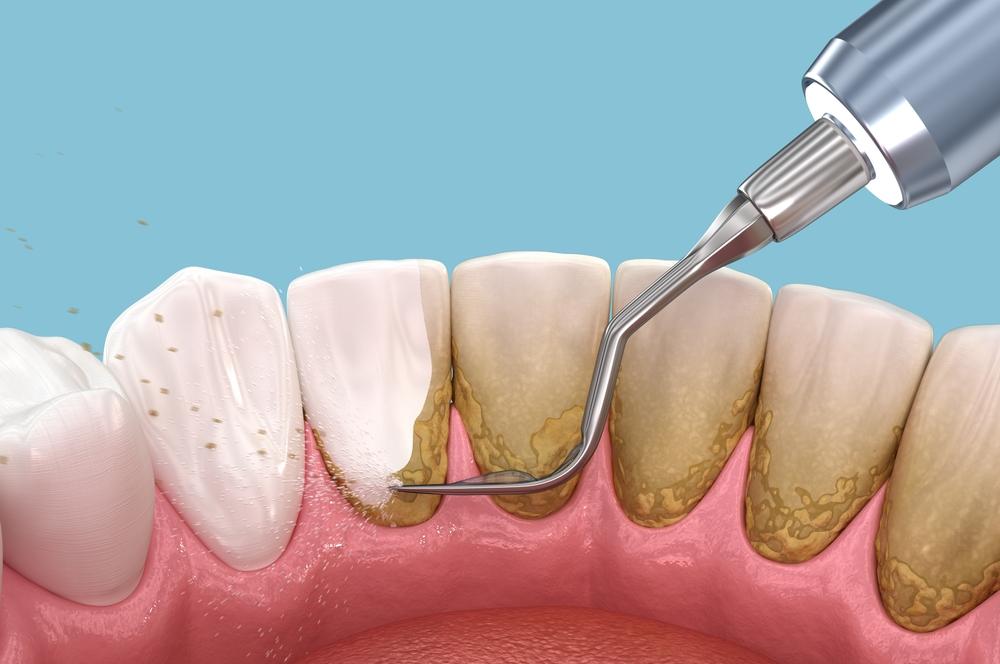
Implants need daily brushing and flossing just like real teeth. You should also visit your dentist for checkups and cleanings every 3–6 months, depending on your gum health. Good home care and regular professional cleaning reduce the risk of peri-implantitis (gum infection around an implant).
Removable dentures require nightly soaking and regular cleaning to remove plaque and food. You may also need periodic relines, rebasing, or replacement every 5–8 years as your mouth changes. Cleanings at the dental office help, but dentures don’t require flossing or the same kind of periodontal care that implants do.
If you have limited dexterity, dentures can be easier to clean off the mouth, but they still need consistent care to avoid bad breath and oral infections.
Lifestyle Considerations
Implants usually require surgery and a healing period that can take months. If you want faster tooth replacement, dentures can be made quickly and work well for those on a tight budget or with medical conditions that make surgery risky.
Eating habits change with either choice. With implants, you can eat harder foods like apples and steak more comfortably. With dentures, you may avoid crunchy or sticky foods and cut food into smaller pieces.
Budget and insurance matter. Implants cost more up front and may not be fully covered by insurance. Dentures cost less initially but can incur repeated expenses for adjustments and replacements. Consider travel to your Wilmington provider for multiple implant visits when planning treatment.
Suitability and Candidacy Factors
You need to know which health, bone, and age factors most affect whether implants or dentures will work for you. These details determine candidacy, treatment time, and likely costs.
Health Prerequisites
Your overall health affects healing after implant surgery. Good control of chronic conditions like diabetes matters; uncontrolled diabetes raises infection risk and slows bone healing. Smoking also reduces implant success rates and can cause gum disease around implants.
Medications matter too. Drugs that weaken bone (bisphosphonates) or suppress the immune system can complicate implant placement. If you take blood thinners, your dentist will coordinate with your physician about managing bleeding risk.
You must have healthy gums. Active gum disease must be treated before any implant work. For dentures, you can often proceed sooner, though gum treatment improves denture fit and comfort.
Bone and Gum Requirements
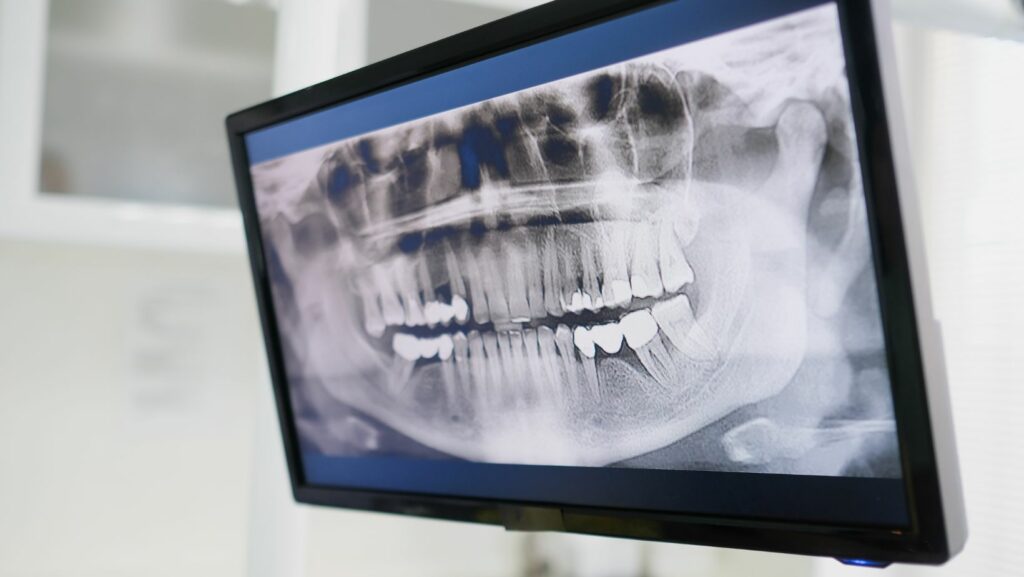
Dental implants need enough jawbone to hold the titanium post. If your CT scan or X-ray shows bone loss, you may need bone grafting or a sinus lift before implants. These add cost and months to treatment but can allow implants when dentures would otherwise be the only option.
Gum thickness and quality affect both options. Thin or receded gums increase the chance of implant exposure and recession. For dentures, significant ridge loss may make the denture unstable, pushing you toward implant‑retained dentures or adhesives.
Your mouth’s anatomy matters. The position of nerves and sinuses, and the shape of your jaw, determine implant size and placement. Dentures avoid surgical limits but may require frequent relines as bone shrinks.
Age-Related Factors
Age alone does not disqualify you from implants, but related factors do. Older adults often have lower bone density and more medical conditions, which can lengthen healing times or need extra planning.
For younger patients whose jaws are still growing, implants are usually delayed until growth stops. That prevents implants from becoming misaligned as the jaw changes.
If you are frail or have limited manual dexterity, manageability becomes important. Dentures require cleaning and occasional adjustments. Implant crowns and implant‑supported dentures simplify daily care and reduce the chance of slipping while you eat or speak.
Treatment Costs and Aftercare Considerations
You will face different up-front costs, ongoing expenses, and follow-up care depending on whether you choose implants or dentures.

Think about surgery fees, lab fees, maintenance supplies, and how often you will need professional visits.
Initial Investment and Ongoing Expenses
Dental implants usually cost more up front. Expect fees for the implant fixture, abutment, crown, and any bone grafting or extractions. Prices in Wilmington can vary by clinic, but single implants often run several thousand dollars each. Implants tend to last decades if cared for properly.
Dentures cost less initially, especially partial or basic acrylic sets. You may pay less for the prosthesis but more over time for relines, replacements, and repairs. Both options require routine care: implants need good oral hygiene and periodic x-rays; dentures need cleaning
solutions and occasional refitting.
Insurance and Financing Options
Dental insurance often covers part of denture costs but limits coverage for implants. Review your plan for annual maximums, waiting periods, and exclusions for implant surgery. Medical insurance rarely pays unless tooth loss ties to a medical event.
Ask your Wilmington dentist about in-office payment plans, third-party medical credit, or low-interest dental loans. Some practices offer staged billing—separate charges for surgery, prosthetic, and follow-ups—so you can spread costs. Get written estimates that list each fee and expected future charges.
Post-Treatment Support
After implant surgery, you will need follow-up visits for healing checks and final restoration placement. Expect a few short post-op appointments and annual exams with x-rays to monitor bone and implant health. Keep any emergency contact information for your implant surgeon in case of sudden pain or loosening.
Denture wearers need an adjustment period. Plan for one or more follow-up visits to trim sore spots and schedule relines every few years as your jaw changes. Keep cleaning supplies—denture brush, cleanser, and storage box—and know who to call for repairs or rebasing when cracks or fit issues occur.