




In a world where brainpower reigns supreme, progressive neurology is the unsung hero of modern medicine. It’s like the superhero of the nervous system—fighting the villains of neurodegenerative diseases with a combination of cutting-edge research and innovative treatments. If you’ve ever worried about your brain pulling a disappearing act, you’re not alone.
Overview of Progressive Neurology
Progressive neurology focuses on neurodegenerative diseases that gradually impair cognitive functions, movement, and overall brain health. Conditions like Alzheimer’s, Parkinson’s, and amyotrophic lateral sclerosis (ALS) fall under this category. Each disease presents unique challenges, impacting millions worldwide.
Advanced research plays a critical role in understanding disease mechanisms. Neuroscientists investigate genetic, environmental, and lifestyle factors contributing to these disorders. Innovations in diagnostic techniques enhance early detection and prognosis.
Treatment options are evolving continuously. Medications can manage symptoms, but they often don’t halt disease progression. Research into disease-modifying therapies aims to target underlying biological processes. Clinical trials explore the potential of stem cell therapies and gene editing.
Supportive care remains vital for patients and families. Occupational and physical therapies improve quality of life. Mental health resources address emotional struggles faced by those affected. Collaborative care models ensure comprehensive support throughout the disease journey.
Patient advocacy groups raise awareness and provide resources. Increased funding for research initiatives drives progress in understanding and treating neurodegenerative conditions. Engaging with communities fosters a supportive environment, encouraging knowledge sharing and hope for potential breakthroughs.
Overall, the field of progressive neurology continues to advance rapidly. Emphasizing research, innovative treatments, and patient-centered care will lead to improved outcomes. Understanding these diseases at a deeper level will empower healthcare professionals and support networks in their fight against neurodegeneration.
Key Disorders in Progressive Neurology

Progressive neurology encompasses several debilitating disorders that affect cognitive and motor functions. Understanding these conditions is crucial for advancing treatment and improving patient outcomes.
Alzheimer’s Disease
Alzheimer’s disease represents the most common form of dementia. This neurodegenerative disorder primarily impacts memory, thinking skills, and behavior. Gradual cognitive decline challenges daily functioning, causing confusion and disorientation. As symptoms progress, individuals may struggle with communication and require assistance with everyday activities. Early detection significantly influences treatment efficacy, often incorporating medications that target symptom management. Ongoing research aims to develop disease-modifying therapies to slow progression and enhance brain health.
Parkinson’s Disease
Parkinson’s disease affects movement control due to the loss of dopamine-producing neurons in the brain. Characterized by tremors, stiffness, and balance issues, this disorder gradually impairs physical capabilities. Patients might notice a decline in motor skills, impacting day-to-day living. Treatment strategies include medications to alleviate symptoms and improve quality of life. Physical therapy and lifestyle modifications play an essential role in maintaining mobility and independence. Research into gene therapy and innovative treatments continues to hold promise for future advancements.
Multiple Sclerosis
Multiple sclerosis is an autoimmune disorder that disrupts communication between the brain and body. Symptoms vary widely, including fatigue, vision problems, and coordination difficulties. Episodes of exacerbation and remission mark its progression, complicating diagnosis and treatment. Current management involves disease-modifying therapies to reduce flare-ups and slow disease progression. Rehabilitation services help address specific challenges, enhancing daily functioning and overall well-being. Ongoing research seeks to understand the underlying mechanisms and develop novel therapies for better outcomes.
Diagnostic Techniques
Diagnostic techniques in progressive neurology are essential for identifying neurodegenerative diseases early. They encompass a range of methods that evaluate cognitive and motor functions.
Neurological Assessments
Neurological assessments involve a series of tests that measure cognitive abilities, motor function, and reflexes. These evaluations often include patient interviews, questionnaires, and standardized scales. Findings from these assessments help neurologists determine the extent of cognitive impairment or movement disorders. For example, the Mini-Mental State Examination (MMSE) provides a quick screening tool to assess cognitive function. Timely assessments enable healthcare providers to create tailored treatment plans that address specific patient needs.
Advanced Imaging
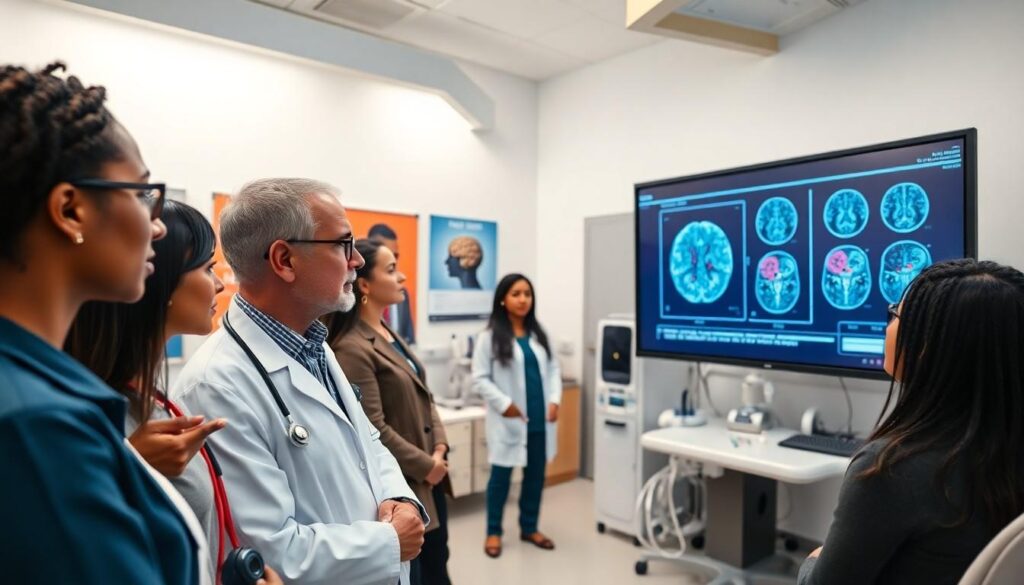
Advanced imaging techniques are crucial for visualizing brain structure and function. Magnetic Resonance Imaging (MRI) and Positron Emission Tomography (PET) scans play a significant role in diagnosing conditions like Alzheimer’s and multiple sclerosis. MRI helps identify brain atrophy or lesions, while PET scans reveal metabolic activity in brain regions. These imaging modalities enhance diagnostic accuracy and facilitate monitoring disease progression. Early detection using advanced imaging potentially allows for more effective intervention strategies, improving patient management and outcomes.
Treatment Approaches
Treatment approaches in progressive neurology encompass pharmacological interventions and non-pharmacological therapies. Both aim to alleviate symptoms and enhance patient quality of life.
Pharmacological Interventions
Medications play a crucial role in managing symptoms associated with neurodegenerative diseases. Cholinesterase inhibitors, such as donepezil and rivastigmine, help improve cognitive function in Alzheimer’s disease. Dopamine agonists like pramipexole and ropinirole address movement issues in Parkinson’s disease. These medications may not halt disease progression but significantly improve daily functioning. Research continues into disease-modifying therapies, including aducanumab, with potential to slow decline. Ongoing clinical trials assess the efficacy of new drug combinations and alternative compounds, enhancing treatment options available to patients.
Non-Pharmacological Therapies
Non-pharmacological therapies support patients by addressing the emotional and physical aspects of neurodegeneration. Occupational therapy provides strategies to maintain independence in daily activities, while physical therapy enhances mobility and strength. Cognitive behavioral therapy offers mental health support, addressing anxiety and depression. Group therapies foster community and connection, combating feelings of isolation. Lifestyle changes, including regular exercise, balanced nutrition, and social engagement, play a vital role in overall well-being. Integrative approaches combining these therapies provide a comprehensive support system that improves quality of life.
Future Directions in Progressive Neurology
Progressive neurology continues to evolve, focusing on innovative research and treatment strategies. Developing disease-modifying therapies stands at the forefront, with ongoing clinical trials exploring options like stem cell therapies and gene editing techniques. Improvements in early detection methods enhance the ability to diagnose conditions such as Alzheimer’s and Parkinson’s diseases before significant symptoms appear.
Research on biomarkers gains momentum, as identifying specific indicators could lead to targeted interventions. Machine learning integration in diagnostic techniques offers the potential for increased accuracy in assessing neurodegenerative diseases. Furthermore, multidisciplinary approaches combining pharmacological and non-pharmacological interventions promote comprehensive care strategies.
Neuroimaging technologies such as advanced MRI and PET scans enable clinicians to visualize disease progression more effectively. Enhanced imaging capabilities foster personalized treatment plans tailored to individual patient needs, facilitating better management of symptoms. Telemedicine adoption also transforms patient care, allowing remote monitoring and support.
Collaboration among researchers, healthcare professionals, and patient advocacy groups strengthens efforts to address existing challenges. Increased public awareness campaigns contribute to a more informed community and foster research funding. Ultimately, prioritizing patient-centered care ensures that individuals affected by neurodegenerative diseases receive holistic support to improve their quality of life.
Conclusion
Progressive neurology stands at the forefront of combating neurodegenerative diseases. With ongoing research and innovative treatments, it aims to enhance the quality of life for those affected. The integration of advanced diagnostic techniques and personalized care strategies is crucial in managing conditions like Alzheimer’s and Parkinson’s.
As the field continues to evolve, the focus on disease-modifying therapies and early detection methods offers hope for better patient outcomes. Collaborative efforts among researchers and healthcare professionals are essential in addressing the challenges faced by patients and their families. Emphasizing patient-centered care ensures that individuals receive comprehensive support throughout their journey.