

Table of Contents
ToggleYou can get dental implants safely in most cases. Success rates stay high when a qualified clinician places the implant, your health is right for surgery, and you follow aftercare instructions.
The main risks — infection, implant failure, and nerve or sinus injury — are uncommon but real. Knowing about them helps you make safer choices.
Let’s break down how teeth implants in High Point, NC work, what can go wrong during and after surgery, and which factors matter most for your risk. That way, you can actually weigh the benefits and figure out the best plan.
How Dental Implants Work
Dental implants replace missing tooth roots with metal posts. Dentists attach custom crowns or bridges to restore chewing and appearance.
You should know the implant parts and main steps. They affect healing time, long-term results, and what might go sideways.
Implant Components and Materials
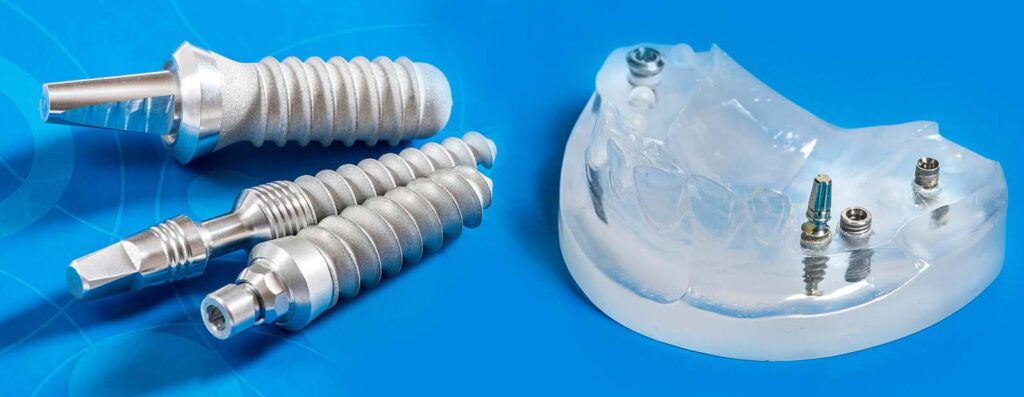
An implant system usually has three parts:
The implant fixture (a titanium or titanium‑alloy screw that goes into bone), the abutment (a connector sticking through the gum), and the prosthesis (the crown, bridge, or denture you see and use).
Titanium and its alloys bond with bone through osseointegration. This gives stable support, which is the whole idea. Zirconia implants are a metal-free option, and they seem biocompatible, but we just don’t have as much long-term data as with titanium.
Manufacturers use medical-grade materials and special surface treatments to help bone grow and keep bacteria away. Your dentist picks the size, shape, and material based on your jaw bone, bite, and esthetics. Good choices here keep micromovement low and lower the risk of failure.
Surgical Procedure Overview
First, your clinician will do imaging — usually a CBCT scan — and plan the implant’s position based on your bone and nearby nerves. If there’s not enough bone, they might extract a tooth and graft bone, which adds weeks or months to healing.
During the actual surgery, the surgeon drills into bone and places the fixture under local anesthesia or sedation. Sometimes you get a temporary crown, or you might go without a tooth during osseointegration, which takes 3–6 months.
Once bone fuses, the abutment goes on and the prosthetic crown is fitted and adjusted. You’ll have follow-ups to check healing, hygiene, and watch for infection, nerve issues, or implant looseness.
Potential Risks During Surgery
You could face specific surgical risks that affect sensation, infection control, and how your tissue responds. Each risk has signs, prevention steps, and ways your dentist can manage it.
Nerve Damage and Sensory Changes
Nerve injury usually involves the inferior alveolar nerve (lower jaw) or superior alveolar nerves (upper jaw). If the implant gets too close, you might feel numbness, tingling, burning, or weird taste in your lip, chin, gum, or tongue.
Low jawbone height, bad imaging or planning, rough drilling, and revision surgeries all raise your risk. Your clinician should use CBCT scans and guides to map nerves and set safe implant depth and angle.
If you notice numbness or tingling after surgery, tell your dentist right away. Early action — like removing or moving the implant, or prescribing meds — gives you a better shot at recovery.
Infection at Implant Site
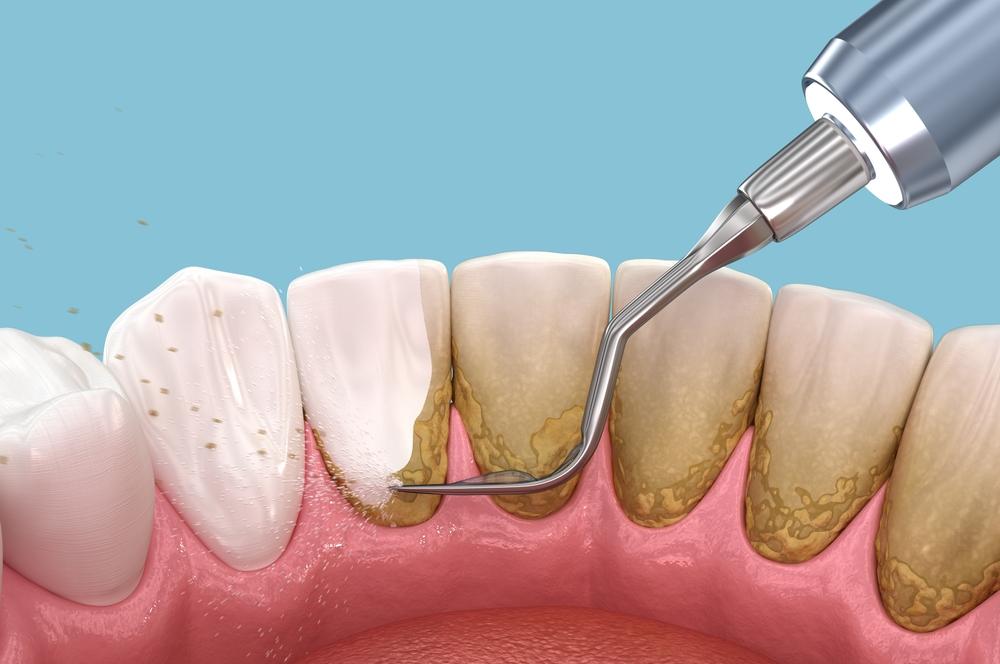
Infection shows up as redness, pain, swelling, pus, or fever within days to weeks after placement. Bacteria during surgery or poor hygiene after are the usual causes.
Dentists use sterile technique and might give antibiotics if you’re higher risk. They’ll show you how to clean your mouth and use rinses. If infection hits, treatment might mean cleaning the area, antibiotics, removing the crown or abutment to drain, or sometimes taking out the implant.
Follow-ups in the first two weeks are key to catching infection early and stopping it from turning into peri-implantitis or bone loss.
Bleeding and Swelling
Some bleeding and swelling are normal for 24–72 hours after surgery. If you see heavy bleeding, a growing lump, or swelling that lasts longer, something could be wrong.
Blood thinners, high blood pressure, big grafts, or rough surgery all increase risk. Your dentist will talk about your meds and may ask you to adjust blood thinners with your doctor.
To manage it, you use local pressure, stitches or hemostatic agents, cold packs for 48 hours, and warm compresses after that. If bleeding won’t stop after half an hour or swelling makes it hard to breathe or swallow, get urgent care.
Complications After Dental Implant Placement
Most implants heal fine, but you should know what can go wrong, when, and what signs to watch for. That way, you can act fast if something’s off.
Implant Failure and Rejection
Implant failure means the titanium screw didn’t fuse with your jawbone, or it got loose after healing. Early failures usually happen within weeks or months, often from bad stability, infection, or weak bone. Late failures can pop up years later from overload, chronic infection, or gum disease.
Watch for pain that won’t go away, a wobbly implant, or changes in your bite. Your dentist will check with exams and X-rays. Treatment might mean removing the implant, treating infection, and putting in a new one after bone grafting.
Smoking, uncontrolled diabetes, and some meds raise your risk. Tell your dentist your full medical history and stick to aftercare to help prevent problems.
Bone Loss Around Implants
Bone loss around an implant can be local (just one spot) or more widespread, and it threatens stability. Causes include peri-implantitis, too little bone to start, too much biting force, and gum disease on nearby teeth.
Some bone remodeling is normal right after placement. But if you keep losing bone — more than 1–2 mm in the first year or ongoing loss — that’s a red flag.
Symptoms can be subtle: gum recession, a loose implant, or food getting stuck. Treatment depends on the cause. Mild cases might just need cleaning and antibiotics; bigger problems could need surgery and bone grafts.
Regular X-rays and good hygiene help prevent ongoing bone loss.
Sinus Problems
Sinus issues mostly affect implants in the upper back jaw, where the maxillary sinus sits close to the bone. You might get sinusitis if an implant goes into the sinus floor, or have chronic sinus inflammation after a sinus lift if it gets infected or doesn’t heal well.
Symptoms include stuffy nose, facial pressure, post-nasal drip, or a sinus tract draining into your mouth.
Prevention starts with good imaging to measure sinus depth and plan any needed grafts. If an implant enters the sinus or a graft gets infected, you might need antibiotics, removal of the implant or graft, and sometimes a referral to an ENT specialist.
Your surgeon should talk through sinus risks and their plan before surgery.
Factors Influencing Implant Safety
Your overall health, jawbone quality, and your clinician’s skill matter most for implant success. These things shape healing, support, and infection or failure risk.
Patient Health and Medical History
Your chronic conditions affect healing and infection risk. Poorly controlled diabetes slows blood flow and raises the chance of failure and peri-implantitis, so your blood sugar should be in check before surgery.
Medications can be a big deal: long-term bisphosphonates or antiresorptives raise the risk of jaw bone issues after implants. Immunosuppressants or high-dose steroids make infection more likely. Tell your surgeon about chemo, head and neck radiation, and osteoporosis treatments.
Habits matter too. Heavy smoking slows bone healing and can double failure risk. Alcohol abuse and poor hygiene also raise complications. Good follow-up and plaque control help lower those risks.
Quality of Bone
Your bone volume and density set the stage for stability and long-term success. Dense lower jaw bone gives better support than softer upper back jaw bone, which often needs grafting or special implants.
If you’ve lost a lot of bone, options include autografts, allografts, or guided bone regeneration. Each comes with its own healing time and odds of success. CBCT imaging helps measure bone and plan implant placement.
Bone metabolism plays a role, too. Osteoporosis or past jaw radiation weakens bone and makes complications more likely. Your surgeon should check bone quality and pick the right implant surface, length, and diameter for you.
Surgeon Experience
Your surgeon’s training and how many cases they’ve handled play a big role in complication rates. Dentists who do implant surgery often and keep up with new techniques tend to see more predictable results.
They’re better at managing tricky anatomy and avoiding technical failures. Technical skill really counts when it comes to angling the implant right, steering clear of nerves and sinuses, and making sure the implant stays put.
Experience also shapes decisions about loading the implant right away or waiting. Some cases might need extra steps, like grafting or a sinus lift, and seasoned surgeons know when to recommend those.
Good communication and planning can head off a lot of surprises. Surgeons who use 3D imaging, surgical guides, and dig into your medical history usually get more accurate results and keep things safer for you.
Don’t be shy—ask about their complication rates, what types of implants they use, and how they handle follow-ups. It’s your mouth, after all.