


Table of Contents
ToggleYou probably want a better smile and solid oral health, but the right path depends on whether you need to fix function or just want to look better. Cosmetic dentistry is all about looks—whitening, veneers, aligners—while restorative dentistry repairs damage or replaces missing teeth to get you chewing, speaking, and living comfortably again.
As you read on, you’ll see how each approach uses its own procedures, materials, and goals. That way, you can figure out what fits your needs and budget—and if you’re leaning restorative, understanding how a permanent dental implant saves you money in the long run might make that decision a whole lot easier.
You’ll get side-by-side comparisons of common treatments. We’ll touch on how dentists often mix both approaches and toss in practical tips for picking the plan that actually works for you.
Core Purposes and Goals
Let’s get into why people choose these treatments and what each one really aims to do. We’ll look at visible changes, functional repairs, and what you might want to consider before deciding.
Improving Aesthetics
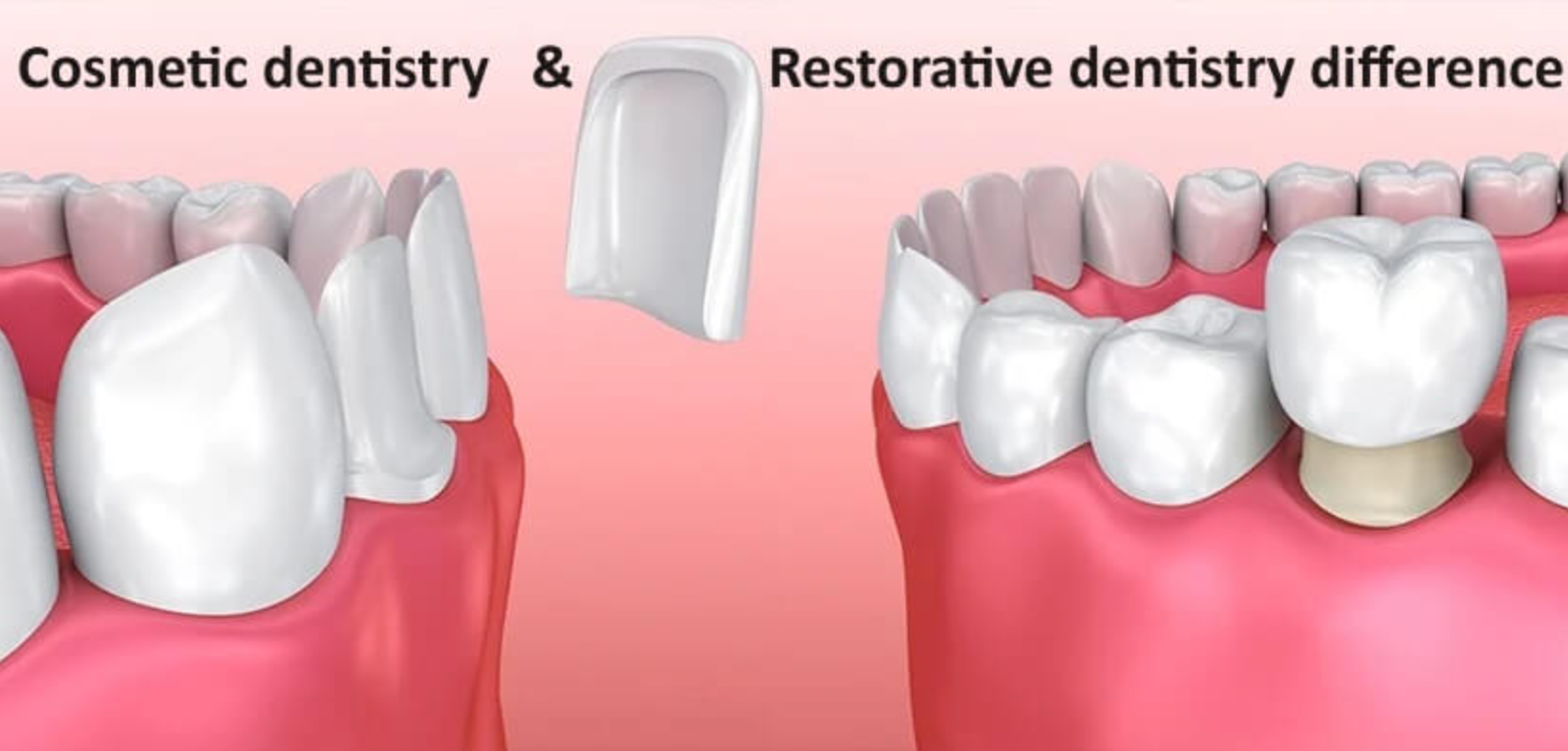
Cosmetic dentistry centers on what you see: tooth color, shape, alignment, and how your smile lines up. You’ll run into things like teeth whitening, porcelain veneers, enamel reshaping, and clear aligners.
Most folks pick cosmetic work to boost appearance and confidence. The focus is usually your front teeth and areas that show when you smile.
Planning often includes picking shades, digital previews, and mock-ups so you can check the look before making permanent changes. Cosmetic treatments usually skip underlying decay or bite issues unless your dentist mixes in some restorative work.
Restoring Oral Function
Restorative dentistry is about fixing damage and getting your mouth working right again. Think fillings, crowns, root canals, dental implants, bridges, and even full-mouth rehab.
People go for restorative care when decay, fractures, infection, or missing teeth mess with function or threaten more problems. The big goals? Strength, structure, and stopping future disease.
Dentists plan these treatments around material strength, bite correction, and how long things will last. Sometimes you get a bonus in appearance, but unless the main goal is looks, it’s not really “cosmetic.”
Patient Considerations
Your decision depends on your health, goals, budget, and how fast you want results. If you’ve got decay or pain, you really have to fix that first before worrying about looks.
Some treatments need more maintenance than others. Whitening and composite fillings might need touch-ups or replacements sooner than crowns, implants, or porcelain veneers.
Insurance usually covers restorative stuff but almost never pays for purely cosmetic work. Talk honestly with your dentist—ask about materials, how long things last, and whether combining treatments makes sense for both health and appearance.
Common Procedures and Treatments
There are treatments that change how your teeth look, others that restore how they work, and honestly, plenty do both.
Popular Cosmetic Services
You can brighten your teeth fast with professional whitening—in-office bleaching or take-home trays with strong but safe peroxide.
Veneers (thin shells of porcelain or composite) reshape your front teeth, fix chips, close small gaps, and cover stains. Usually, you don’t need much tooth removal.
Clear aligners straighten teeth for a better look and sometimes a better bite. Treatment can last a few months or stretch out over a year or more.
Bonding uses tooth-colored composite to fix chips or make teeth longer, often in just one appointment.
Pick cosmetic options based on how long they last, price, and how much of your natural tooth you want to keep.
Typical Restorative Solutions
When decay, cracks, or missing teeth mess with function, dentists reach for strong, lasting fixes.
Fillings (composite or amalgam) stop decay and rebuild tooth shape after a cavity.
Crowns cover weak or broken teeth to restore your bite. You’ll find options like porcelain-fused-to-metal, zirconia, and all-ceramic.
Root canals remove infected pulp and save teeth that would otherwise be lost.
Bridges and implants fill gaps—bridges use neighboring teeth for support, while implants put a titanium post in your jaw with a crown on top for the most lasting, bone-friendly result.
Overlap Between Both Fields
A lot of procedures work for both looks and function. Sometimes you have to pick between strength and appearance, but often you get both.
A crown can rebuild chewing after a root canal and also match your other teeth for a natural look.
Implants restore chewing and keep your bone healthy, plus they fill in gaps for a better smile.
Composite bonding repairs damage and reshapes teeth in one go.
Talk with your dentist about material choices and how long things will last so you get the right mix for your needs and wallet.
Materials and Techniques
You’ll see materials chosen for strength and long life or for matching color and translucency. Dentists now use digital tools and engineered materials that mimic real teeth.
State-of-the-Art Dental Materials
For restorative work, you’ll hear about zirconia, porcelain-fused-to-metal (PFM), and high-strength composite resins. Zirconia is tough and great for crowns and implants. PFM is reliable when you need strength, and modern composites let dentists do strong, conservative repairs.
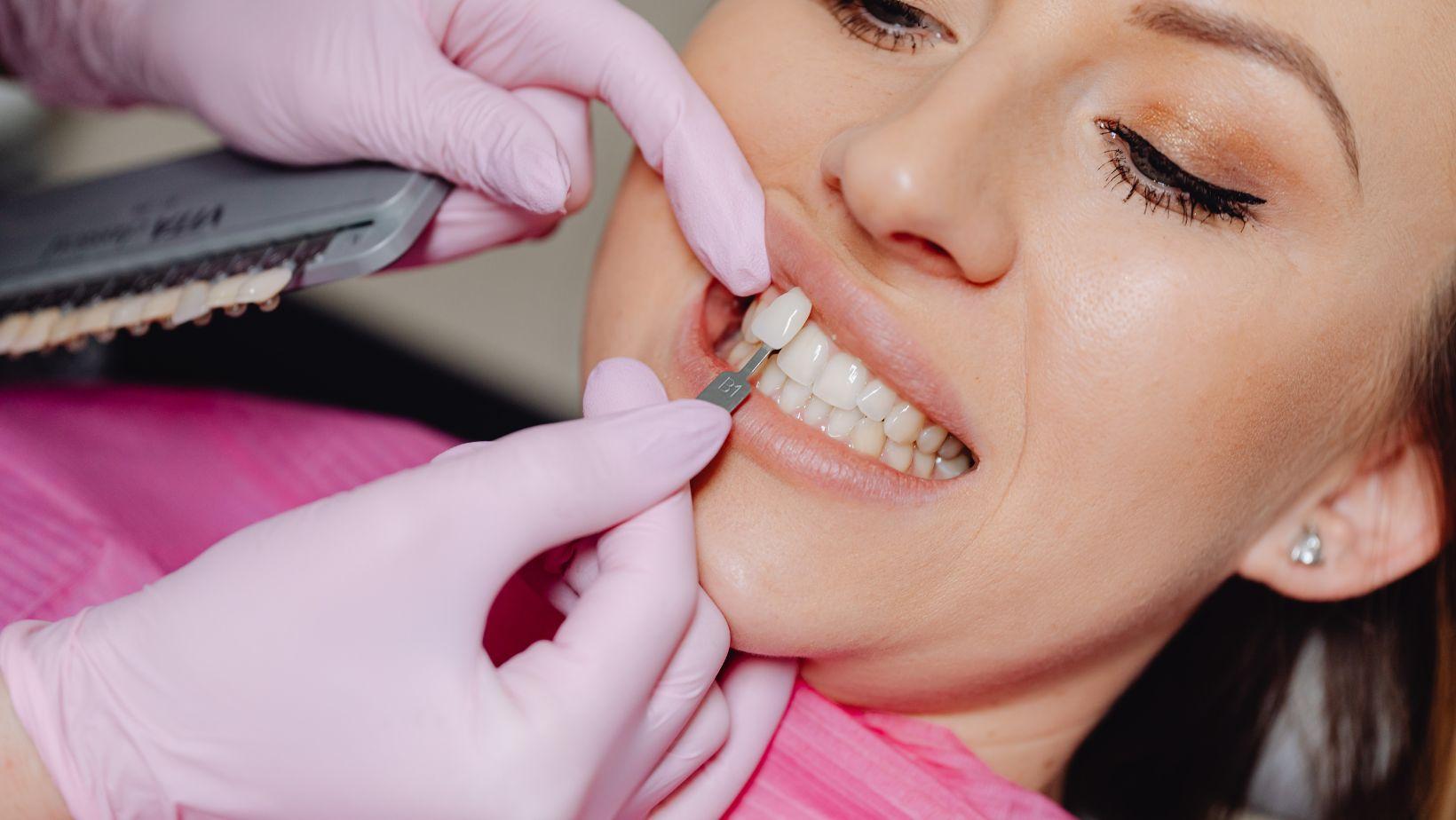
Cosmetic materials focus on how they look in the light: lithium disilicate (e.max) and ultra-thin porcelain veneers mimic real enamel. Dentists use shade-matching systems—like Vita Classical or digital scanners—to pick the exact color. New adhesives and resin cements bond these materials securely to your teeth and seal up the edges.
Technological Advances
Digital tech is changing both cosmetic and restorative care. Intraoral scanners mean no more messy impressions—they create accurate digital models for crowns, veneers, and implant guides.
CAD/CAM milling lets dentists make same-day crowns from blocks of zirconia or lithium disilicate, so you skip temporaries.
3D printing now produces surgical guides, temporary teeth, and frameworks that fit precisely. Cone-beam CT (CBCT) helps plan implants and check bone before grafting.
Shade-matching software, microscope-aided bonding, and laser tools sharpen the details, trim down appointment times, and make everything more predictable.
Choosing the Right Approach
Pick your path based on what your mouth actually needs, what you want to see in the mirror, your budget, and how quickly you want results. Always fix urgent functional issues first.
Consultation and Assessment
You’ll start with an exam that checks for decay, gum health, bite problems, and missing teeth. Expect dental X-rays, photos, and maybe a CBCT scan if you’re getting implants or complex work.
Your dentist will want to know about pain, sensitivity, chewing trouble, or cosmetic worries like stains or gaps. These details help decide if you need to restore function first or if you’re good to focus on looks.
During your visit, ask for a treatment list by priority—risks, alternatives, and cost estimates included. Request separate notes on what’s “medical/functional” and what’s “cosmetic/esthetic” so you know what’s essential and what’s optional.
Bring up questions about how long things last, what maintenance you’ll need, and how treatments might affect your other teeth or future options.
Factors Influencing Treatment Plans
Your clinical condition shapes most decisions. If you have active decay, infection, or gum disease, you’ll probably need restorative care first—think root canals or periodontal treatment—before anyone talks about veneers or whitening.
Age and medical history also come into play. Some medications, your body’s healing speed, or habits like teeth grinding can change the game. If you grind your teeth, you might want crowns or implants instead of veneers.
Budget and insurance? They’re always part of the equation. Insurance usually covers things like fillings and crowns for decay, but it’s a toss-up with implants and rarely covers cosmetic stuff like veneers or whitening.
Your own timeline and priorities can tip the scales too. Got an event coming up and want fast results? Whitening or temporary bonding might be the move while you plan out more permanent solutions.