

Table of Contents
ToggleA periodontal cleaning targets plaque and tartar below the gumline to treat and prevent gum disease. It keeps your gums firmer and lowers the risk of losing teeth.
You’ll get a thorough scaling and root planing, which removes bacteria and smooths root surfaces. This helps your gums heal and reattach.
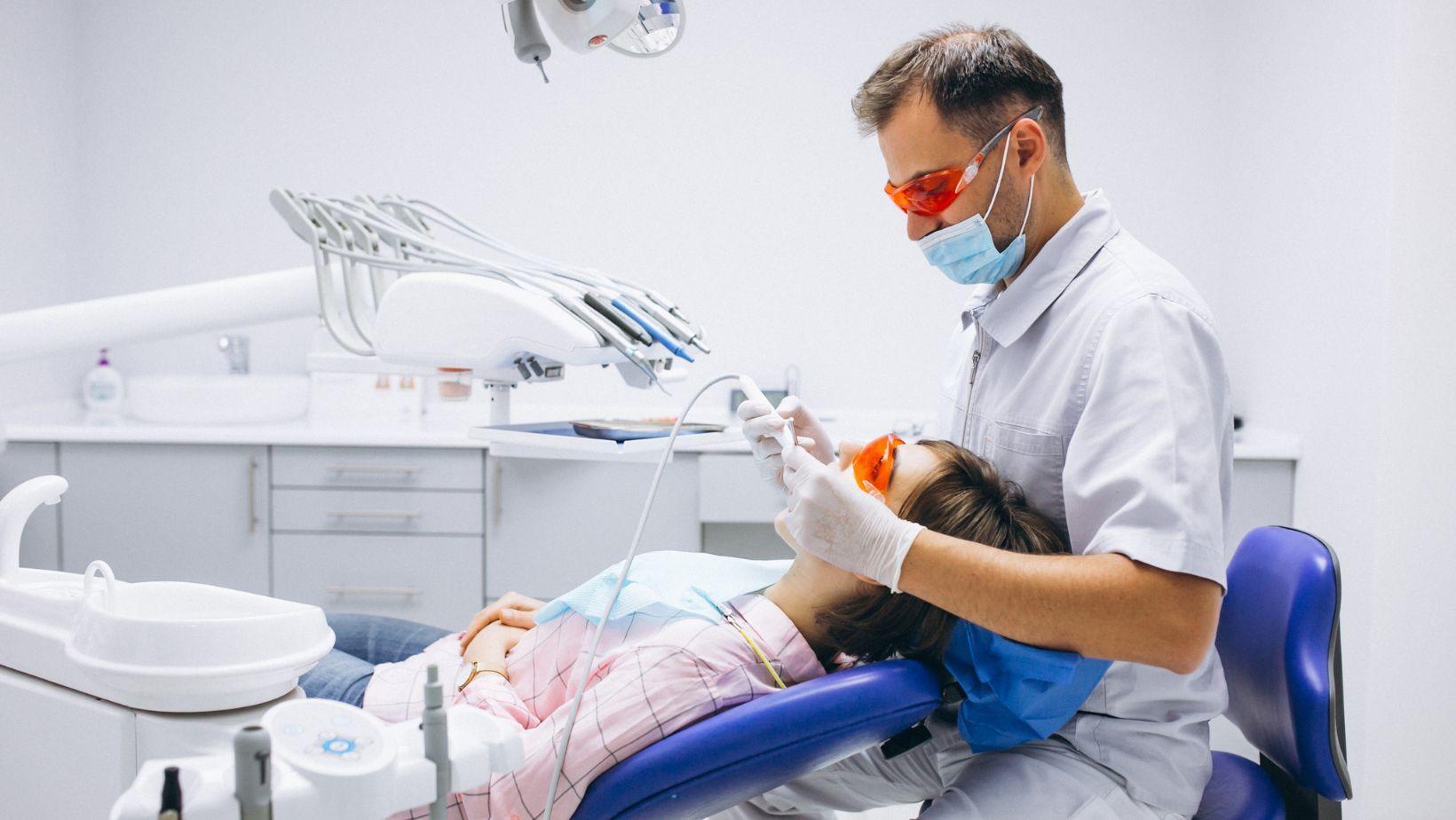
During your appointment, a trusted dentist in White House, TN will examine your gums and carefully remove deep deposits. They’ll explain aftercare and how often you should return to protect your oral health.
Why Periodontal Cleanings Are Essential
Periodontal cleanings remove bacteria, tartar, and inflammation below the gumline. This helps restore healthier pocket depths and sets a plan for ongoing maintenance based on your stage of disease.
Preventing Gum Disease Progression
Deep cleaning targets bacteria and hard deposits (calculus) that collect on tooth roots beneath the gumline. Removing these deposits shrinks pocket depth and helps gum tissue reattach to the tooth, slowing or stopping the damage to ligaments and bone.
If pockets stay deeper than about 4 mm, microbes can come back pretty fast. Regular scaling and root planing, plus follow-up visits, lower pocket depth and reduce bleeding—two things your provider tracks to see if things are under control.
Protecting Overall Oral Health
Periodontal disease raises local inflammation and creates reservoirs of harmful bacteria. Clearing subgingival biofilm cuts down on ongoing inflammation that damages gum tissue and bone.
Sometimes, your clinician pairs cleaning with localized antibiotics or antiseptic rinses when pockets are deep or healing drags on. This combo can boost tissue recovery, make daily brushing more effective, and help keep crowns and bridges fitting well.
Reducing Risk of Tooth Loss
Unchecked periodontal disease destroys the bone and fibers that anchor teeth, leading to tooth loss. Periodontal cleanings aim to stop that destruction by getting rid of infection and letting the attachment apparatus stabilize.
Most people come in every 3–4 months for maintenance after treatment. These visits help catch problems early and prevent bone loss that might force you into extractions or implants.
Step-By-Step Overview of the Appointment
You’ll go from a focused assessment to targeted cleaning, then root smoothing. Expect measurements, cleaning with instruments or ultrasonic devices, and steps to reduce pocket depth and clear out bacteria.
Initial Assessment and Medical History Review
You’ll start by confirming your medical history and medications. The clinician asks about heart issues, diabetes, blood thinners, and recent illnesses—these all affect bleeding and healing.
The team measures pocket depths around each tooth with a periodontal probe. They’ll record gum recession, bleeding, and tooth mobility.
This charting shows which areas need treatment and sets goals for pocket depth. You might get digital X-rays or photos to check bone levels and hidden calculus.
The clinician explains what they find, estimates how many visits you’ll need, and talks about anesthesia options if deep cleaning is likely.
Deep Cleaning and Scaling Procedures
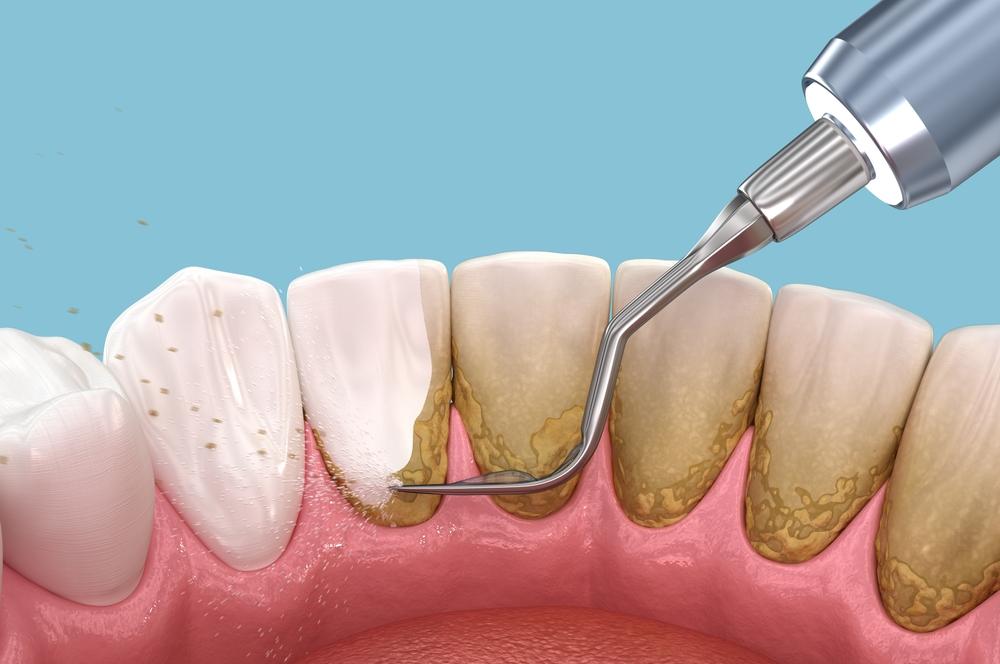
Your clinician uses scaling to remove plaque and hardened calculus above and below the gumline. They use ultrasonic scalers (which vibrate and irrigate) and hand instruments for precise work.
If you need deep cleaning, expect local anesthesia; topical numbing works for mild cases. The clinician works quadrant by quadrant to control discomfort and bleeding, rinsing pockets with antimicrobial solutions to flush debris.
They’ll check pocket depths and bleeding as they go. If you feel sensitivity, let them know so they can tweak their technique or add more anesthesia.
Root Planing Techniques
Root planing smooths the tooth root surfaces to remove embedded calculus and toxins. Smoother roots make it harder for plaque to stick and help gums reattach.
The clinician uses curettes and sometimes ultrasonic tips, applying steady strokes until the root feels smooth. You might hear scraping or feel pressure, but anesthesia keeps it comfortable in deeper pockets.
After planing, the clinician may place antimicrobials or prescribe a rinse to reduce bacteria. They’ll schedule a follow-up to remeasure pockets and decide if more treatment or maintenance is needed.
Patient Experience and Aftercare
You’ll notice focused cleaning, local numbness if needed, and get practical instructions for recovery and home care. Expect short-term sensitivity, some bleeding, and steps to protect healing.
What to Expect During the Procedure
You might sit upright or recline while the hygienist or periodontist checks your gums and measures pocket depths. If pockets are 3–4 mm or deeper, scaling and root planing will likely follow, using ultrasonic tools and hand scalers.
Local anesthetic is common for deeper spots; you’ll feel pressure, not sharp pain. The visit may take 45–90 minutes, depending on how many areas need work.
Your provider might flush pockets with an antiseptic or place a localized antibiotic if there’s infection. Pay attention to post-procedure instructions and ask about follow-up visits or topical agents.
Bring a list of your medications and conditions so the team can tailor care to you.
Post-Cleaning Symptoms and Recovery Tips
Mild soreness, tender gums, and light bleeding are normal for 24–72 hours after deep cleaning. Sensitivity to hot, cold, or sweet foods is pretty common and usually fades over a week or two.
Manage discomfort with over-the-counter ibuprofen or acetaminophen, unless you can’t take those—just follow the directions. Use ice packs on your face for 10–15 minutes if you get swelling.
Call your periodontist if you have severe pain, heavy bleeding, fever, or swelling that gets worse. You might notice changes in pocket depths or temporary tooth looseness if tartar removal exposes root surfaces.
Make sure to go to any scheduled re-evaluation (usually 4–6 weeks out) so your clinician can check healing and see if you need more treatment.
Home Care Instructions for Lasting Results
Brush twice a day with a soft-bristled toothbrush and fluoride toothpaste. Try to use gentle, 45-degree circular strokes right along the gumline.
Floss once daily, reaching just under the gumline to clear out plaque between your teeth. If you’ve got bigger spaces, interdental brushes can make things easier.
Use your prescribed antimicrobial mouthwash (like chlorhexidine) only as your dentist tells you—usually for about one or two weeks. Overdoing it won’t help and can even cause problems.
Skip smoking for at least 48 to 72 hours after treatment. Honestly, quitting altogether is better, since tobacco really slows down healing and makes gum issues more likely to come back.
Don’t skip your follow-up and maintenance appointments. If you’ve had periodontal work, you’ll probably need cleanings every three or four months.
If you notice bleeding that won’t go away, teeth that feel loose, or new pain, reach out to your provider. It’s always better to catch things early.