



Table of Contents
ToggleYou probably think plaque is just a nuisance you can scrub away. When you leave it untreated, though, it transforms into hardened tartar (calculus) that only a dental professional can remove.
Tartar forms in days to weeks, locking bacteria against your teeth and gums. That raises your risk for cavities and gum disease.
Let’s break down how plaque forms, how it hardens into stubborn deposits, and what can happen to your teeth and gums if you ignore it. If things have already progressed, periodontal treatment in Brentwood, TN can help get your gum health back on track—but there are also steps you can take to keep things in check before it gets to that point, so it’s not all doom and gloom.
How Dental Plaque Develops
Plaque forms quickly after you clean your teeth. The longer you leave it, the harder it gets to remove.
It starts as a thin film and then picks up bacteria and minerals. That changes how it behaves and what it can do to your teeth.
Formation of Biofilm on Teeth
Within minutes of brushing, a clear, protein-rich layer called the acquired pellicle coats your enamel. This pellicle comes from saliva glycoproteins and gives bacteria places to stick.
Bacteria latch onto the pellicle and start making sticky stuff called extracellular polymeric substances (EPS). The EPS holds cells together and traps food bits, building up a structured biofilm—what we call plaque.
As the biofilm grows, little colonies form channels for nutrients and waste. That structure makes plaque tough to rinse away and lets acid sit right against your enamel.
Role of Bacteria in Plaque Accumulation
Your mouth hosts hundreds of bacterial species, but only some really mess things up. Early colonizers like Streptococcus stick to the pellicle first, paving the way for nastier bacteria like Porphyromonas and Actinomyces.
Bacteria eat sugars and starches from your food and spit out acids and enzymes. Acids drop the pH right at the tooth surface, weakening enamel, while enzymes and toxins irritate your gums.
The mix of bacteria matters. If acid-producing, anaerobic bacteria take over, you’re in for more cavities and gum inflammation. Brushing and flossing break up these communities and keep them in check.
Factors That Accelerate Buildup
A diet full of fermentable carbs feeds those bacteria and keeps acid levels high. If you snack a lot or sip sugary drinks, you’re giving bacteria a steady buffet.
Sloppy brushing or skipping flossing lets plaque thicken and turn into tartar. Saliva helps wash stuff away, so if you have dry mouth, you’re missing out on that natural defense.
Crowded teeth or rough dental work can trap plaque. Smoking messes with your mouth’s bacteria, too. Some meds or health problems affect saliva or your immune system, making things worse.
Progression to Hardened Deposits
Let’s look at how soft plaque turns into a rock-hard deposit. The changes happen faster than you’d think.
Transformation Into Tartar (Calculus)
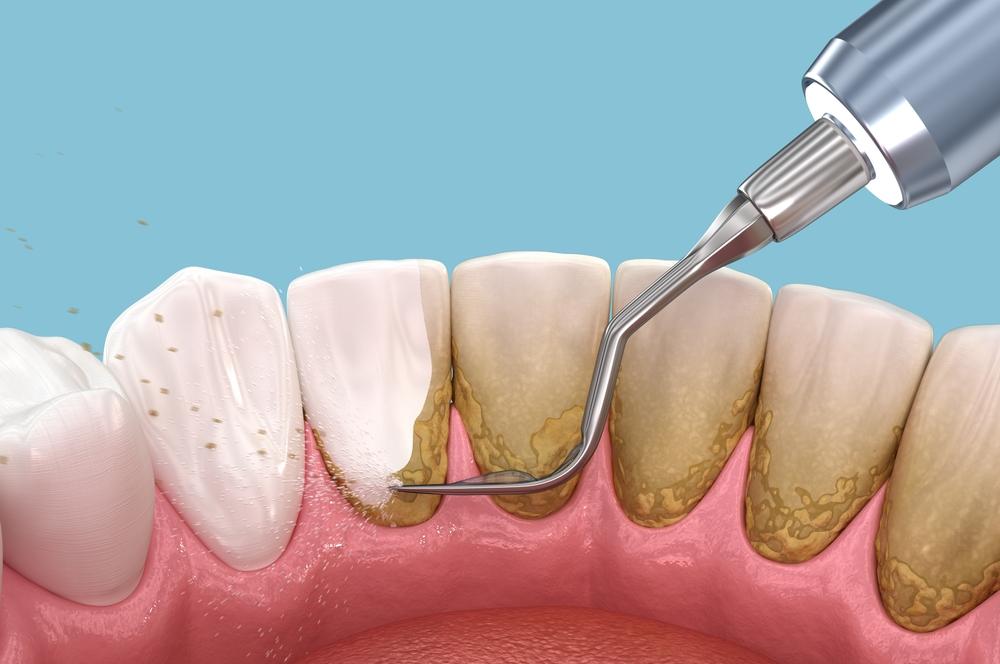
If you skip regular cleaning, plaque builds up and pulls in minerals from your saliva. Those minerals bind with the biofilm, forming a hard, crusty layer called tartar (or calculus) that sticks tight to your enamel and even below the gum line.
Tartar’s rough and porous, so it grabs even more plaque and bacteria. Once it forms, brushing and flossing won’t get rid of it—you’ll need a dental pro with special tools.
Tartar usually looks yellow or brown since it picks up stains from food, tobacco, and drinks. Its presence ramps up your risk for gum inflammation and pockets that harbor deeper infections.
Physical and Chemical Changes
Plaque goes from a soft, sticky film to a solid, mineralized chunk. Tiny mineral crystals—mainly calcium phosphate—grow inside the plaque and lock together, making it stiff.
Saliva brings in calcium, phosphate, and fluoride, and when the conditions are right, those minerals settle in and harden the plaque. Bacteria lower the pH, then saliva brings it back up, and that cycle encourages the minerals to crystallize.
The hardened matrix traps bacteria and their waste, making the surface even rougher. That roughness means more plaque sticks around and keeps your gums irritated.
Timeframe for Mineralization
Mineralization can start fast—sometimes within 24 to 72 hours after plaque forms. Full-blown tartar can show up in days to weeks, depending on your saliva and hygiene.
High salivary calcium or phosphate, lots of sugar, and poor brushing speed things up. If you stay on top of cleaning and use mouth rinses, you slow down mineral buildup.
Feel a rough edge or see stains at your gum line? Get a professional cleaning soon—catching tartar early saves you from bigger problems.
Consequences for Oral and Systemic Health
Plaque that hardens into tartar and fuels chronic infection causes real trouble for your gums and teeth. It might even mess with your health in other ways.
Increased Risk of Gum Disease
When plaque piles up at the gumline, it irritates and inflames your gums. You might notice gingivitis—red, swollen gums that bleed easily.
If you let plaque and tartar stick around, little pockets form between your teeth and gums. Bacteria love those pockets, and over time, they get deeper and turn into periodontitis, which destroys the tissue and bone holding your teeth.
You could end up with gum recession, bad breath, loose teeth, and eventually tooth loss. At that point, only a dental professional can help—home care just won’t cut it.
Impact on Tooth Structure
Acid-producing bacteria in plaque weaken enamel and cause cavities. Early decay shows up as white spots and can turn brown or black if you ignore it.
Tartar doesn’t cause cavities itself, but it shelters bacteria and traps acids against your teeth. As decay worsens, it can hit the dentin and pulp, leading to pain and sometimes a root canal or extraction.
Losing bone support from advanced gum disease can shift your bite and make teeth more likely to break. The longer you wait, the more expensive and complicated the fixes get.
Potential Links to Chronic Health Issues
Oral bacteria and inflammation can slip into your bloodstream through inflamed gums—even while brushing. Some studies link gum disease to higher risks or worse outcomes in heart disease, diabetes, and respiratory infections.
The science isn’t always clear on how it all connects, but there’s enough evidence to take it seriously. If you manage gum disease, you might help your overall health, too.
If you’ve got diabetes, heart disease, or a weak immune system, be extra careful with your gums. Let your doctor and dentist know what’s going on so they can work together.
Prevention and Intervention Strategies
Catch buildup early, clean daily, and see your dentist regularly to stop plaque from turning into tartar or causing gum disease.
Effective Oral Hygiene Practices
Brush twice a day with fluoride toothpaste for two minutes each time. Use a soft-bristled brush and gentle circles to reach all surfaces.
Floss once a day, sliding below the gumline and hugging each tooth to get what your brush misses.
If you have wider gaps, braces, or bridges, try an interdental brush or water flosser. Those can reach spots floss can’t.
Use an antimicrobial or fluoride rinse if your dentist suggests it, especially if you’re prone to cavities or gum problems.
Cut back on frequent snacking and sugary drinks—constant sugar gives bacteria more ammo. Swap out your toothbrush or brush head every three months, or sooner if it’s looking rough.
Electric toothbrushes with timers can help, too. They’re not for everyone, but some folks swear by them.
Role of Professional Dental Cleanings
Get professional cleanings every 3–6 months if you have gum disease, lots of plaque, or risk factors like smoking or diabetes. If your risk is low, twice a year usually does the trick.
Dental hygienists use scaling and polishing to remove tartar above and below the gumline. They’ll check gum pocket depths, look for recession, and spot early signs of trouble.
If tartar has led to periodontitis, your dentist might suggest root planing, local antimicrobials, or a referral to a gum specialist for deeper treatment.
Bring a list of your meds and any health changes to each visit. Systemic conditions and certain drugs can make plaque worse and affect your treatment plan.
Importance of Early Detection
Watch for persistent bleeding when you brush. Swollen or tender gums, stubborn bad breath, or tooth sensitivity can also point to plaque-related inflammation.
If you spot these signs, let your dentist know right away. Early-stage gingivitis can turn around with better home care and a timely cleaning, so don’t wait it out.
Your dentist checks pocket depths and looks for bone loss on x-rays. Catching changes early helps stop tissue damage before it gets serious.
Regular dental exams let your dentist see how well you’re controlling plaque. They might suggest things like topical fluoride, a short round of chlorhexidine, or more focused cleaning techniques.
Notice loose teeth, pus, or pain getting worse between visits? Don’t ignore it—get in touch as soon as you can to keep things from escalating.