

Table of Contents
ToggleLosing teeth doesn’t just change your smile—it messes with the way your face is supported. When tooth roots stop giving the jawbone that daily workout, the bone shrinks, and you lose the support that keeps your lower face looking full.
This can shorten the lower third of your face, deepen wrinkles around your mouth, and leave you looking a bit more aged or hollow over time. Jawbone resorption is really the main culprit here, so if you want to prevent or fix these changes, that’s where you need to focus.
This article digs into how these biological shifts play out, the ways your face changes over the months and years, which health and lifestyle habits speed things up, and what you can actually do to keep or restore your facial structure. You’ll get a sense of which treatments actually protect bone and which just improve looks—and if you’re ready to address the root cause, dental implants in Weymouth, MA offer one of the most effective ways to restore both jawbone health and facial structure at the same time.
Biological Processes Behind Facial Bone Loss
After you lose teeth, you also lose the stimulation, soft-tissue support, and collagen strength that keep your jaw and face looking youthful. All three of these factors work together to reshape your jaw and lower face, sometimes pretty quickly.
Bone Resorption in the Jaws
When you lose a tooth, the bone that held it just isn’t getting the same chewing forces anymore. Bone needs that pressure to stay strong, so without it, the body ramps up bone breakdown and the ridge starts to shrink.
You’ll see the ridge lose height and get narrower, which means there’s less bone for any future dental work. This resorption can start within months and, though it slows down, it keeps going for years.
Where you lose bone depends on where the teeth are missing. The upper back jaw tends to lose height fast, while the front lower jaw gets thinner. These shifts mess with your bite and facial proportions and can make implants trickier down the road.
Soft Tissue Volume Reduction
Your lips, cheeks, and the lining of your mouth rely on the bone and teeth underneath for structure. Take those away, and the soft tissues start to collapse inward and downward.
You might notice your lips thinning, those folds from nose to mouth getting deeper, and your cheeks looking flatter. The fat pads and muscles don’t have the same support, so everything just settles.
You’ll also see changes in the way your lips meet and how you hold your mouth. Vertical wrinkles around the mouth get worse. It’s a gradual shift, but especially obvious if you’re missing several or all your teeth.
Options that put some volume back under the soft tissue—like certain types of dental work—can help reverse some of that collapse.
Collagen Breakdown Over Time
Collagen is what gives your gums, skin, and ligaments their strength. After you lose teeth, less chewing and more inflammation speed up collagen breakdown in your mouth and face.
Inflammatory enzymes (MMPs) go up, breaking down collagen and slowing down your body’s repair work. You’ll see thinner skin around the mouth and less elasticity, which makes creases and drooping more obvious.
Aging just piles on—natural collagen loss plus tooth loss really speeds up those visible changes. Keeping inflammation in check and using prosthetic support can help slow down this process.
Progressive Changes in Facial Appearance
As time goes on, you’ll notice the way your jaw, cheeks, and lower face look will shift. These changes follow a pretty predictable pattern, all tied to missing tooth roots and less chewing action.
Alterations in Jawline Definition
Missing teeth mean the jawbone underneath isn’t getting that daily pressure from chewing. The bone gets smaller and rounder, so the sharp jawline you might remember starts to blur.
Muscles that used to anchor to the jaw don’t have as much bone to grab onto, so soft tissue sags and jowls can form. You might see looser skin and deeper folds near your mouth because the bone that used to push things forward is gone.
Dental implants can really help here—they give the bone something to hold onto and slow down further loss. Removable dentures can make things look better for a while, but unless they’re anchored to implants, they won’t stop the bone from shrinking.
Sunken Cheeks and Lip Support Loss
When you lose front and back teeth, you lose the scaffolding that holds your cheeks and lips out. The bone under your cheeks and lips shrinks, so the fat and soft tissue just don’t have anything to rest on.
You’ll see hollows under your cheekbones and a flatter midface, especially if you’re missing upper teeth. Lips lose their fullness and may roll inward, making lines around your mouth deeper—even when you’re not smiling.
Treatments that replace tooth roots or rebuild bone give the best support to the soft tissues. Cosmetic fillers can hide hollowness for a bit, but they don’t fix the bone loss underneath.
Lengthening of the Lower Face
As the jawbone shrinks vertically, the space between your nose and chin shortens. Teeth might shift or over-erupt without something to bite against, which changes your bite and jaw posture.
This makes the chin rotate up and forward, so your lower face looks shorter and your nose and chin seem closer together. Wrinkles around the mouth get deeper, and the lower face can look compressed.
Getting the right vertical height back with implants or well-fitted dentures can restore balance. The sooner you replace missing teeth, the more you’ll keep your bone and soft tissue support.
Contributing Lifestyle and Health Factors
A bunch of health and lifestyle factors can speed up facial changes after tooth loss. What you eat, health conditions, and just plain aging all play a part.
Nutritional Deficiencies
Losing teeth makes it tough to chew crunchy, high-fiber, or protein-rich foods. If you avoid fruits, veggies, nuts, and meats, you might not get enough calcium, vitamin D, vitamin C, or protein—all key for bone and collagen.
Low calcium and vitamin D mean your jawbone can break down faster where teeth are missing. Not enough protein or vitamin C slows tissue repair and weakens facial muscles.
Over time, poor nutrition makes the sunken look around your mouth and cheeks worse. Try soft but nutrient-packed foods like mashed beans, pureed fish, or green smoothies, and maybe talk to your doctor about supplements.
Chronic Medical Conditions
Some health issues make bone loss and facial changes more likely after losing teeth. Uncontrolled diabetes raises inflammation and slows bone healing, speeding up jawbone loss.
Osteoporosis lowers bone density everywhere—including your jaw. Gum disease destroys bone before you even lose teeth and keeps going after. Long-term use of steroids or other bone-weakening meds can make things worse.
Work with your healthcare team to manage blood sugar, treat gum disease, and review your meds to help slow down facial changes.
Age-Related Changes
Getting older means your body just doesn’t build bone or keep tissues elastic the way it used to. After tooth loss, the jawbone misses out on chewing forces, and aging slows new bone growth even more.
Facial muscles shrink and skin loses collagen and fat padding as the years go by. Combine that with bone loss, and you get a shorter lower face and deeper lines around the mouth.
Replacing teeth early and doing some facial strengthening exercises (or even seeing a dermatologist) can help slow down these visible changes.
Preventive Measures and Restorative Solutions
If you want to keep your jawbone, facial support, and chewing power, don’t wait too long to act. Pick treatments that fit your health, budget, and long-term needs.
Dental Implants and Bone Preservation
Dental implants stand in for tooth roots using titanium or zirconia posts that fuse with your jawbone. This fusion—osseointegration—lets chewing forces keep the bone strong and slows down the shrinkage that shortens your lower face.
Plan implants with a CT scan and guide to get the best bone preservation and appearance. If you’ve already lost a lot of bone, you might need a graft or ridge build-up before you can get implants.
For several missing teeth, implant bridges or full-arch setups (like All-on-4 or All-on-6) restore vertical height and lip support better than removable options.
It’s important to keep implants clean, get regular checkups, and watch for gum issues around them. With good planning and care, implants offer the most reliable way to keep your facial structure intact.
Prosthetic Devices and Facial Support
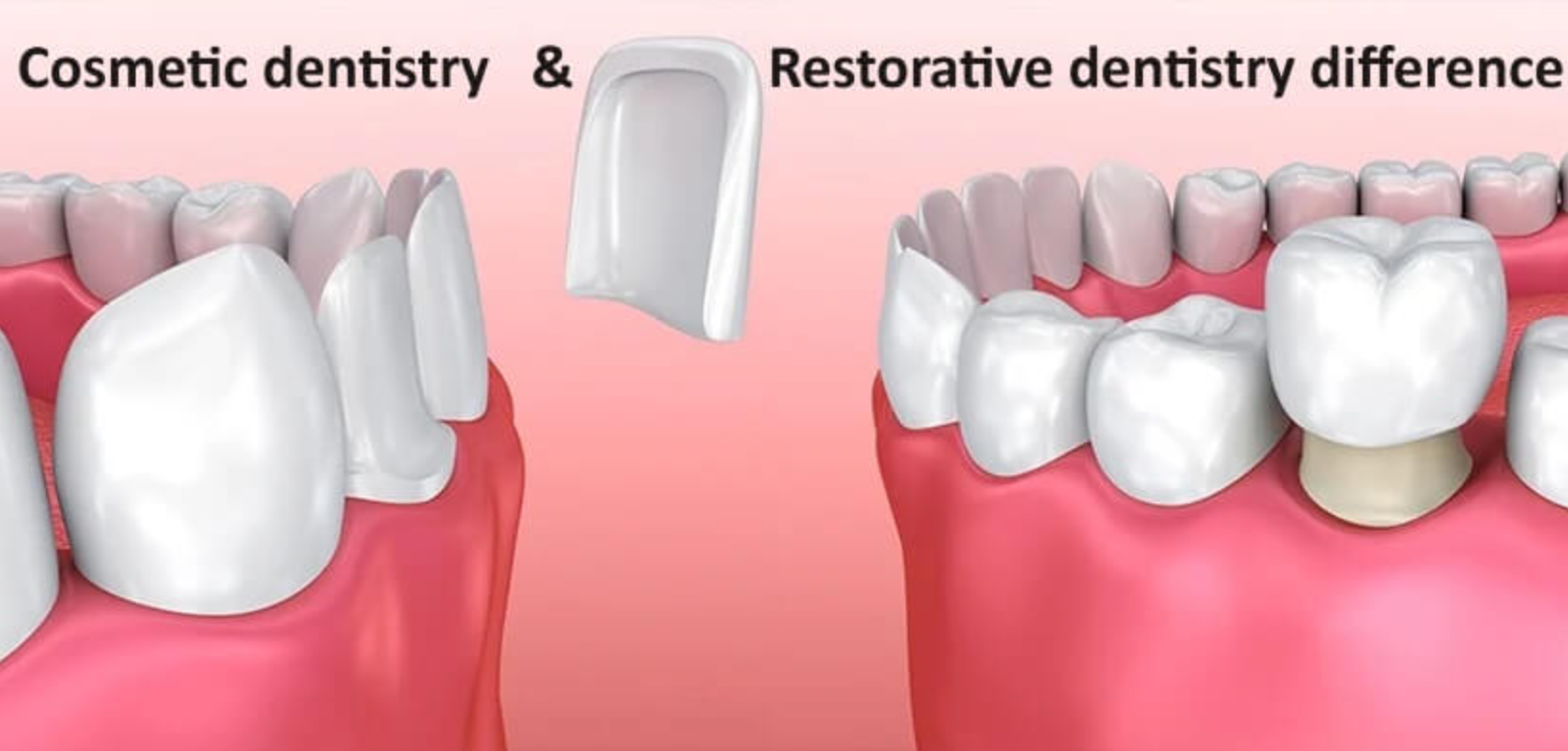
Other options include partials, full dentures, and implant-retained overdentures. Dentures can give you back your smile and facial height right away, but regular dentures that just sit on the gums can actually speed up bone loss since they don’t transfer chewing force to the bone.
Overdentures that clip onto two or more implants stay in place better and help keep the bone healthy. When you’re picking a prosthesis, talk about how it will affect your bite, facial height, and lip support so you don’t end up with a denture that overcloses your mouth or stretches your tissues.
Expect some tweaks during the first year as your mouth gets used to the new setup. You’ll probably need to replace or reline dentures every 5–8 years to keep them fitting well and supporting your face.
Oral Hygiene and Routine Dental Care
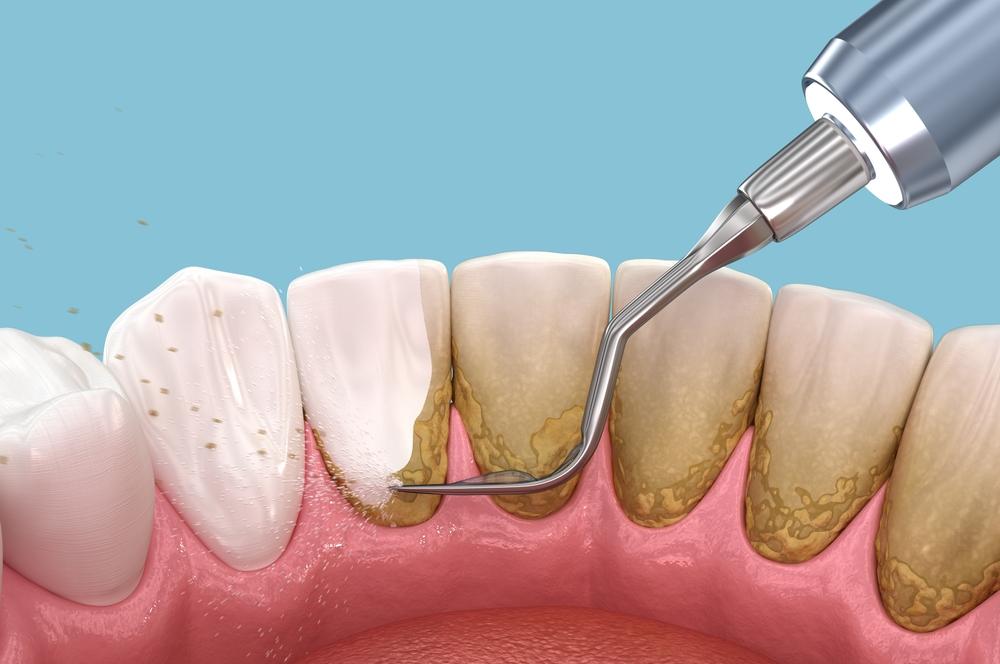
Everyday oral hygiene keeps infections at bay, which helps slow down tooth and bone loss. Brush twice a day with fluoride toothpaste.
Don’t forget to floss or use interdental brushes, especially around implants and natural teeth. If your clinician suggests it, go ahead and use an antiseptic rinse.
Plan on seeing your dentist for exams and cleanings at least every six months. Some folks—those with periodontal disease, implants, or a mouth full of restorations—probably need more frequent check-ins.
Your dentist keeps an eye on bone levels with regular X-rays. They’ll also catch gum disease, worn-down teeth, or failing restorations before things get worse.
Stick to your own risk‑reduction plan. Quit tobacco, manage diabetes, and make sure you’re getting enough calcium and vitamin D—these steps really do support bone health and give any restorative work a better shot at lasting.