

Table of Contents
ToggleLosing a single tooth might seem like a small deal at first, but it usually sets off a chain reaction. Yes — one missing tooth can cause bite problems over time because neighboring teeth shift, the opposing tooth may over-erupt, and the jaw adapts to the altered forces.
Let’s talk about how those shifts can turn into jaw pain, uneven wear, and even trickier dental issues if you don’t address them. We’ll get into how alignment changes, what happens to your oral health, and what you can actually do to keep your bite stable and your smile looking good—starting with exploring dental implants in West Seneca as an early and effective solution that stops the chain reaction before it causes lasting damage.
How Tooth Loss Alters Bite Alignment
When you lose a tooth, the way force travels through your mouth changes. Nearby teeth start to move, and your jaw posture can shift.
These changes might affect how well you chew, how much wear your teeth get, and even the long-term health of the teeth next door.
Shifting of Adjacent Teeth
If there’s a gap, the teeth next to it tend to tilt or drift into that empty space. Suddenly, you’re dealing with new food traps and spots that are tough to keep clean.
Tilted teeth don’t handle chewing forces the same way, so you get more wear on the enamel and a higher risk of cracks or cavities.
You might notice new gaps, crowding, or just an odd feeling when you bite down. If you don’t replace the missing tooth—maybe with an implant, bridge, or partial denture—those shifts can become permanent and pretty tough to fix later.
Opposing Tooth Overeruption
The tooth in the opposite arch, the one that used to bite against the missing tooth, doesn’t have anything stopping it anymore. Over time, it can slowly erupt into the gap.
At first, you probably won’t notice much, but months or years down the line, that tooth might stick out more than it should. This can mess with your bite and create high spots that hurt when you chew.
When a tooth overerupts, it can expose the root and make things sensitive or more prone to decay and gum problems. Restoring the missing tooth or wearing a protective guard can keep this from happening.
Jaw Position Changes
Even one missing tooth can change how your upper and lower teeth come together. You might start chewing more on one side, which puts extra strain on certain muscles and your jaw joints.
After a while, this can lead to soreness, headaches, or even clicking and popping in your jaw. If you keep chewing unevenly, the jaw joint can wear down or shift position.
Restoring the missing tooth and getting your bite balanced again helps your jaw return to normal. Your dentist can check how you bite and might recommend adjustments, splints, or new restorations to even things out.
Progressive Consequences for Oral Health
Losing just one tooth can set off changes in tooth position, jaw movement, and even everyday things like eating and talking.
These small shifts can snowball into bigger problems over time, so it’s worth paying attention early.
Development of Malocclusion
When a tooth goes missing, the teeth next to it often tip or drift toward the gap. That movement narrows the contact points and leaves spaces where food and plaque get stuck, which can lead to more cavities and gum issues.
The tooth above or below the gap might over-erupt, changing how your teeth fit together. You could end up with new spots of wear, chips, or sensitivity as the force from chewing gets concentrated on fewer teeth.
To prevent or fix these bite changes, you can look at orthodontics, bridges, or dental implants. Each option has pros and cons, so it’s smart to talk through the details with your dentist or orthodontist.
Temporomandibular Joint Strain
Missing a tooth changes how you bite down and spread force across your teeth. You might chew more on one side, which puts extra pressure on that side’s jaw joint.
Over time, this uneven force can make your jaw muscles tired or sore. You might notice pain, clicking, or even find it hard to open your mouth all the way.
Managing jaw strain usually means correcting your bite and sometimes using a night guard or doing jaw exercises while you work on a more permanent fix.
Chewing and Speech Difficulties
A missing tooth can make chewing harder, especially if it’s a molar. You might start chewing on the other side, which wears those teeth down faster and can even affect digestion if you’re swallowing bigger pieces of food.
If you lose a front tooth, it can mess with how you say certain sounds. You might hear a lisp or notice air escaping when you talk, which can be pretty frustrating.
Getting a replacement—like an implant, bridge, or partial denture—can help you chew and speak more normally. The sooner you do it, the easier it is to avoid bad habits and protect your other teeth.
Prevention and Restorative Solutions
You can avoid bite problems by replacing the missing tooth as soon as possible. Sometimes you might need to move neighboring teeth back into place first.
Pick a solution that restores your bite, keeps your jawbone healthy, and fits your budget and schedule.
Dental Implants and Bridges
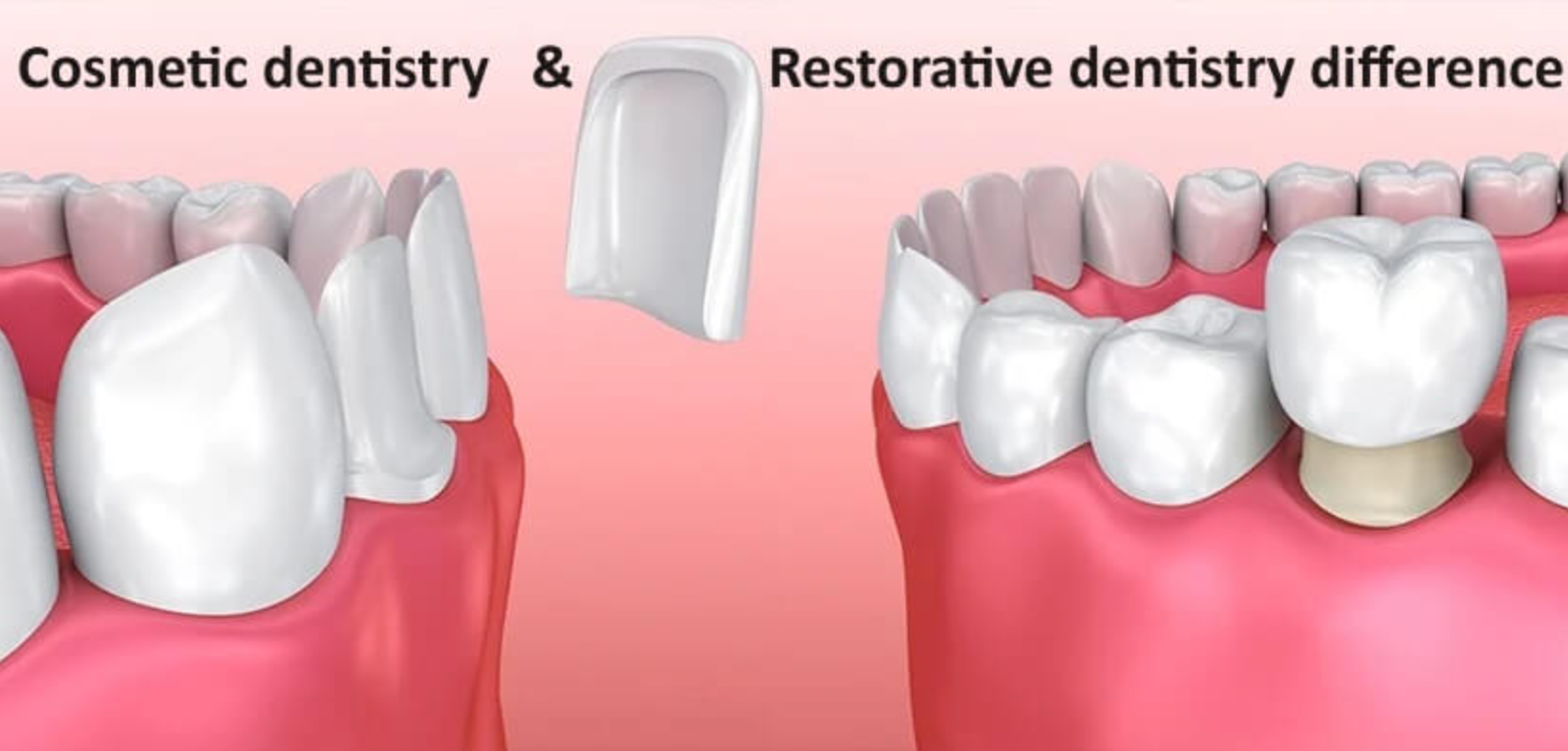
A dental implant replaces the missing tooth root with a titanium post in your jawbone, and then a crown goes on top. Implants stop bone loss and keep the nearby teeth from shifting.
Here’s what to keep in mind about implants:
- Longevity: With good care, implants can last for decades.
- Bone requirement: You’ll need enough bone; sometimes a bone graft is necessary.
- Cost & time: Implants take a few months and cost more upfront than other options.
A fixed dental bridge uses crowns on the teeth next to the gap to support a replacement tooth. Bridges don’t take as long as implants and restore your bite quickly, but they put more force on the neighboring teeth and don’t stop bone loss where the tooth was removed.
Orthodontic Interventions
Orthodontics can close small gaps or move teeth back into place when extraction or space issues throw things off. Braces or clear aligners slowly nudge teeth, fixing tipping, rotation, and those weird bite changes that crop up after losing a tooth.
Think about these points when planning orthodontic treatment:
- Timing: If you start early, you’ll probably avoid a lot of complicated tooth movement down the road.
- Combination therapy: Sometimes, you need orthodontics before an implant or bridge so everything lines up right.
- Retention: Retainers matter. They help keep things stable after treatment and stop your bite from drifting back.
Talk to your dentist and an orthodontist about what comes first—moving teeth or restoring them. The best order depends on bone health, how much space you need, and what you want functionally.