
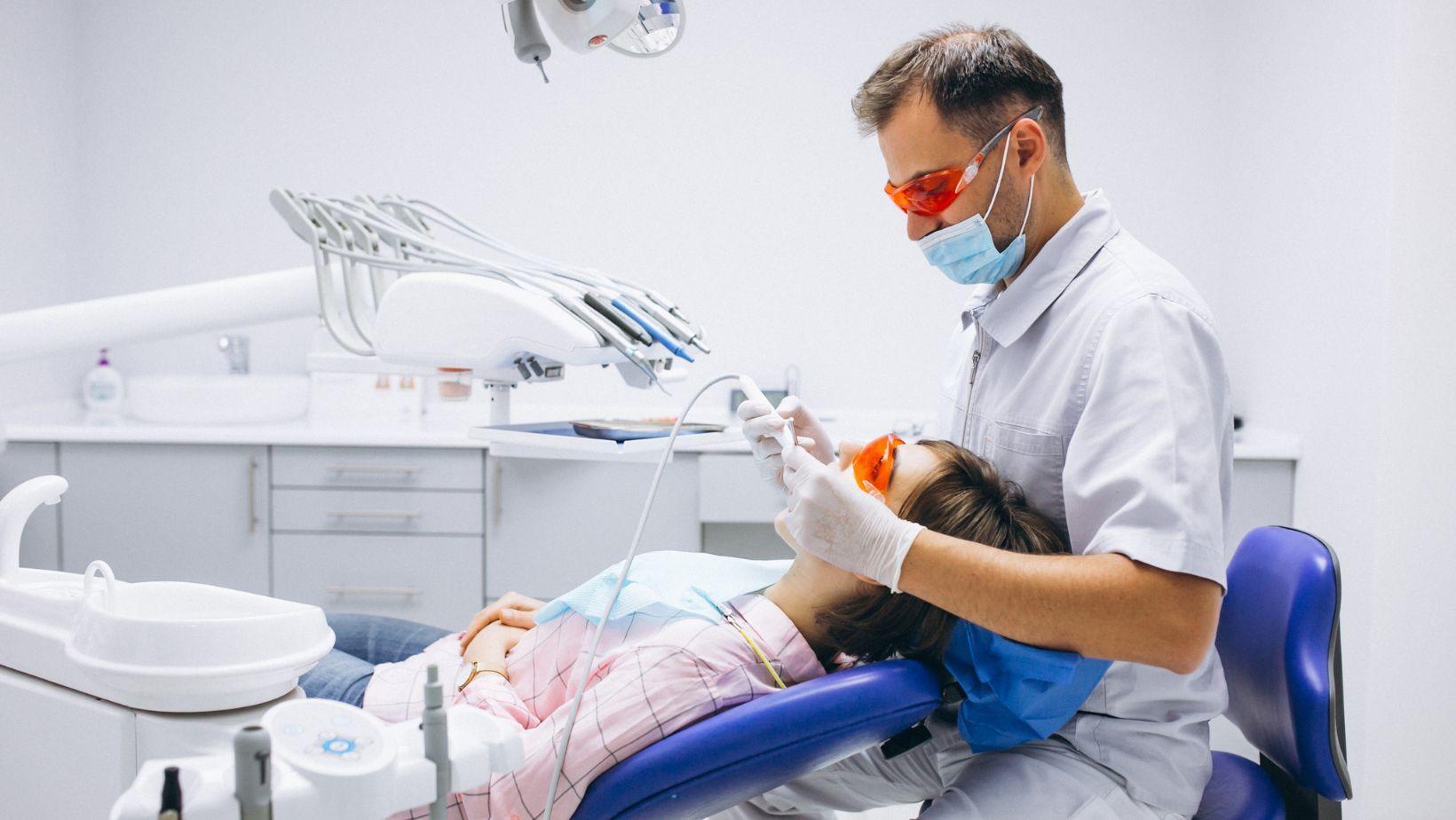
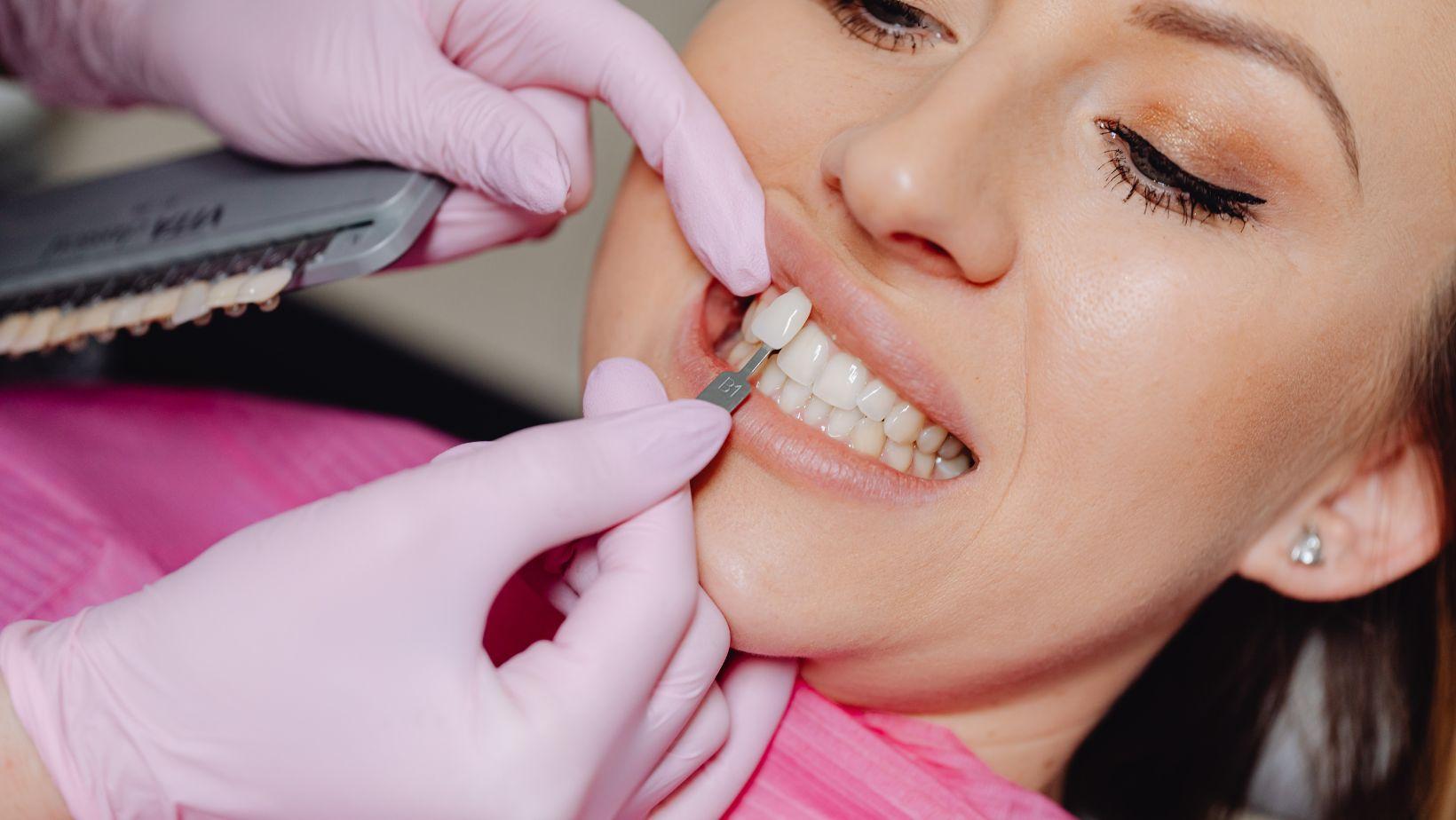

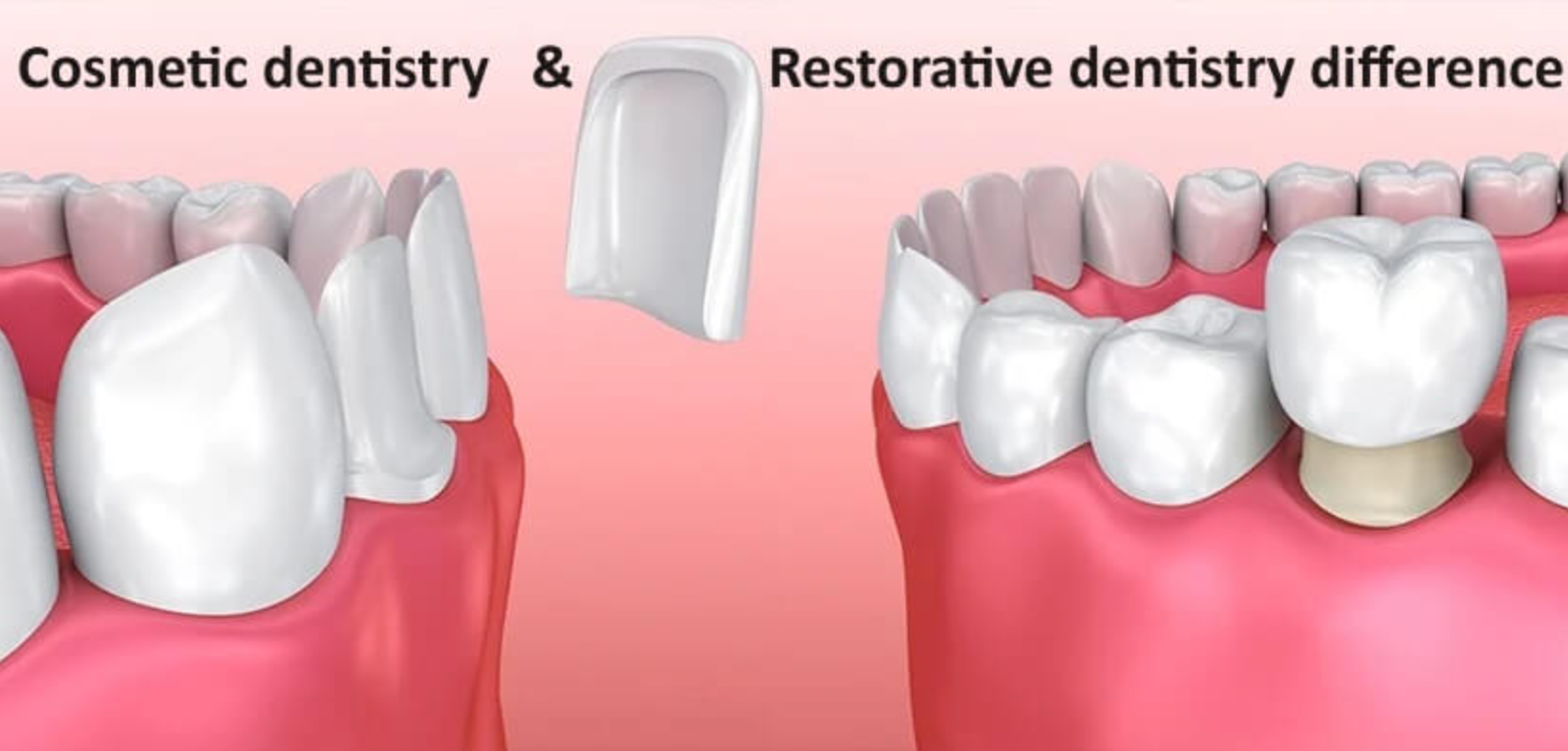
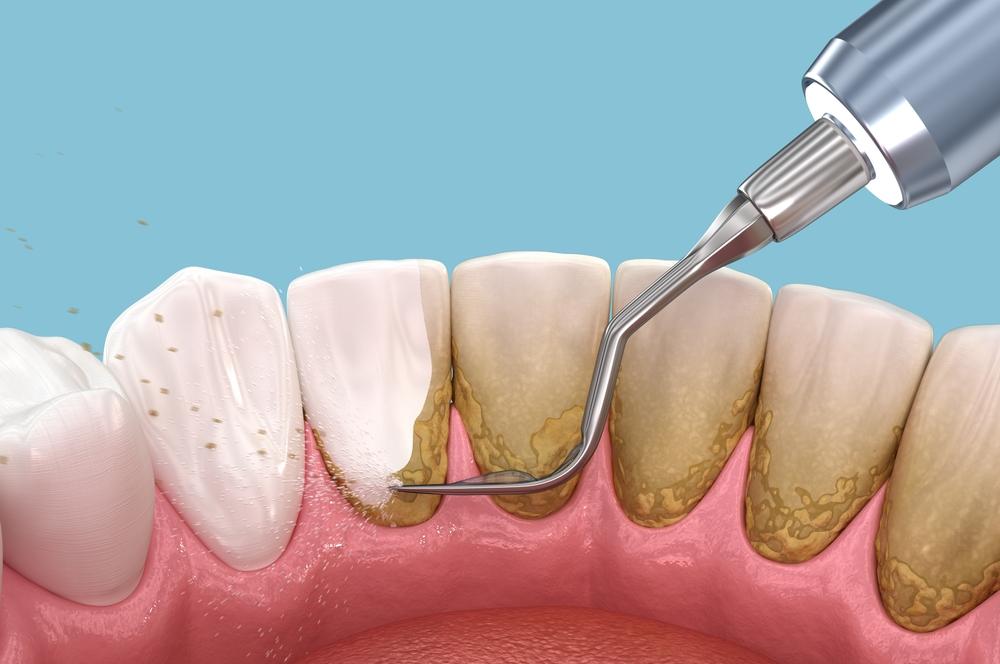
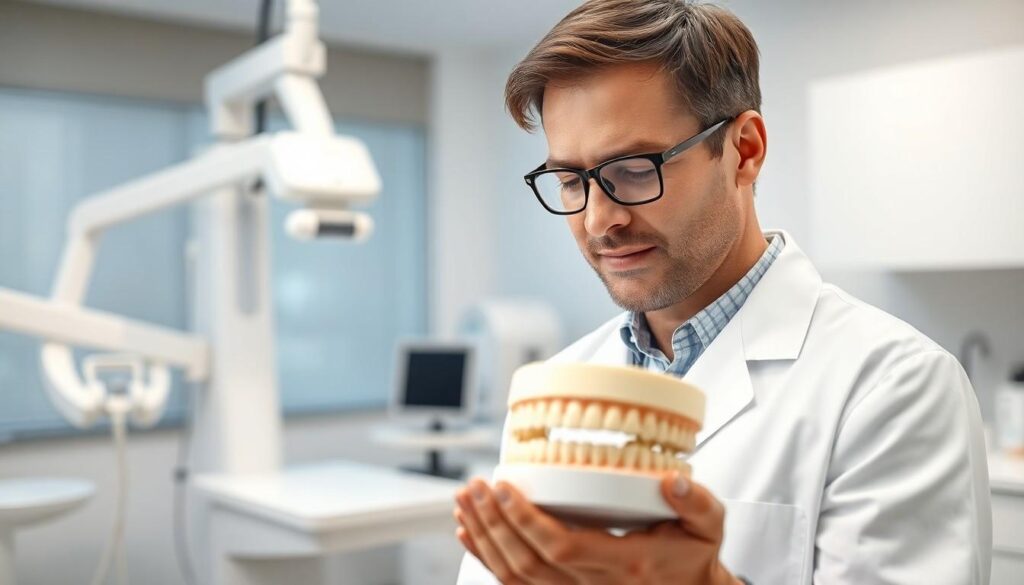
In a world where technology rules, dentistry isn’t left behind, and thank goodness for that! Gone are the days of clunky tools and an endless supply of dental anxiety. Today’s dental practices are embracing innovations that make visits smoother than a fresh tube of toothpaste. From 3D printing to laser treatments, the future of dentistry is not just bright; it’s dazzling!
Overview of Dentistry Technology
Dentistry technology encompasses a range of advanced tools and methods that enhance patient care and improve clinical outcomes. Innovations like digital radiography enable dentists to capture high-quality images with reduced radiation exposure. Many practices utilize 3D printing for creating precise dental models and prosthetics, streamlining the fabrication process.
Laser technology is another significant advancement, allowing for minimally invasive treatments. This tech reduces discomfort during procedures and shortens recovery times. Additionally, dental practices are adopting intraoral cameras, which provide clear visuals of oral conditions. Patients benefit from enhanced transparency during consultations.
Computer-Aided Design and Manufacturing (CAD/CAM) systems revolutionize the creation of crowns, bridges, and aligners. This technology facilitates same-day restorations, significantly improving patient convenience. Furthermore, teledentistry is gaining traction, offering remote consultations and follow-ups that enhance accessibility.
Robotic systems assist in various procedures, increasing precision and efficiency. Integration of artificial intelligence (AI) in diagnostics supports dentists in identifying issues early, promoting proactive care. Data analytics tools contribute by analyzing patient records for tailored treatment plans.
Virtual reality (VR) can help manage dental anxiety, creating immersive experiences for patients during their visits. These technological advancements demonstrate a commitment to patient-centered care and improved dental health. Each innovation contributes to a more effective and pleasant experience within the field.
Latest Innovations in Dentistry Technology
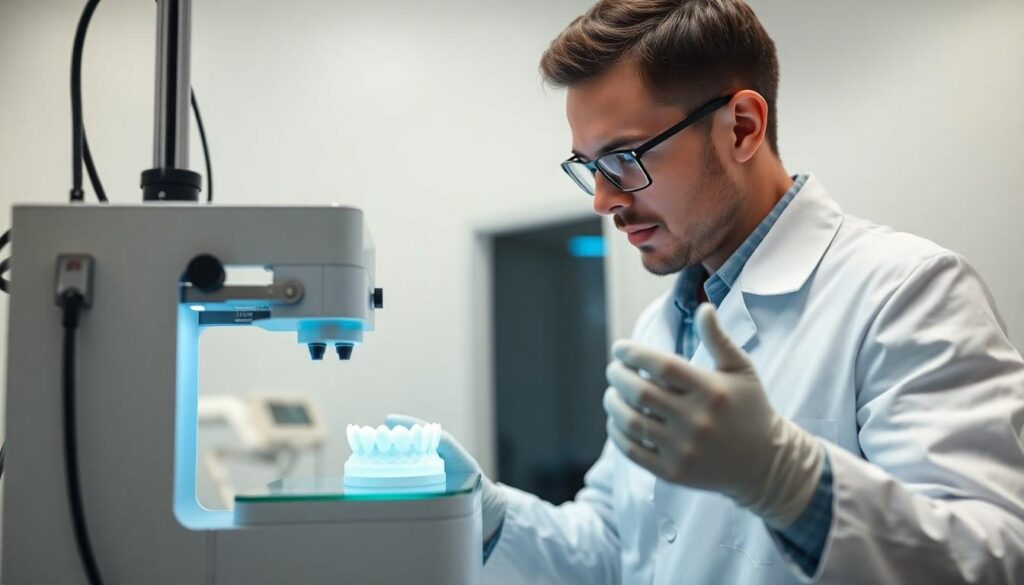
Dentistry technology is rapidly advancing, with innovations enhancing patient care and treatment efficiency.
3D Printing in Dentistry
3D printing revolutionizes how dental restorations are created. This technology enables the production of crowns, bridges, and dentures in a fraction of the time compared to traditional methods. With precision and customization, dental professionals achieve accurate fits for patients. Costs decrease as labor and material waste minimize. Examples include clear aligners crafted using 3D printing, improving orthodontic treatment timelines.
Teledentistry Solutions
Teledentistry solutions facilitate remote consultations and follow-ups. Patients can connect with dental professionals from home, reducing travel time and enhancing access to care. This technology proves essential during emergencies or for individuals in underserved areas. Dental practitioners can diagnose issues through video calls and share X-rays or images digitally. Insurance providers adapt, often covering teledentistry services, making it a convenient option for many.
Smart Toothbrushes and Oral Care Devices
Smart toothbrushes and oral care devices track brushing habits and provide real-time feedback. These devices often connect to apps, offering personalized tips to improve oral hygiene. Improvements in technology lead to better plaque removal and healthier gums. Data collection helps practitioners monitor patient habits and recommend adjustments. Overall, these innovations support proactive dental care, encouraging better long-term oral health.
Benefits of Advanced Dentistry Technology
Advancements in dentistry technology significantly enhance patient care and treatment processes. These innovations lead to improvements in overall dental experiences.
Enhanced Patient Experience
Innovative tools like intraoral cameras foster communication and trust during consultations. Patients see real-time images of their oral health, making it easier to understand treatment recommendations. Virtual reality systems create calming environments, reducing anxiety associated with dental visits. Smart dental devices provide personalized feedback on brushing habits, encouraging better oral hygiene. Telehealth options broaden access to dental care, especially for those in remote regions.
Improved Treatment Outcomes
Technological advancements yield precise diagnostics and treatments. Digital radiography offers clear images with reduced radiation exposure, supporting accurate assessments. CAD/CAM systems streamline the production of restorations, enabling same-day services for crowns and veneers. 3D printing creates dental restorations customized for individual patients, ensuring better fits and longer-lasting results. Data-driven insights from artificial intelligence help dentists make informed decisions, ultimately enhancing overall treatment effectiveness.
Greater Efficiency and Convenience
Advanced technology enhances dental practice productivity. Automated systems reduce operational time during procedures, allowing for more patients to be treated efficiently. Teledentistry solutions facilitate quick consultations without the need for physical office visits, saving time for both patients and professionals. Data management systems keep patient records organized and accessible, ensuring seamless updates and consistent care. These innovations collectively improve the convenience of dental visits, making them faster and more effective.
Challenges in Implementing Dentistry Technology
Implementing modern dentistry technology presents certain challenges that practices must navigate. Both financial and training hurdles impact the full integration of these advancements.
Cost Considerations
Costs associated with advanced dental technologies often present a significant barrier to implementation. Practices face high initial investments for equipment such as digital radiography systems and CAD/CAM machines. On top of acquiring technology, ongoing expenses for maintenance and software updates add to financial strain. Small practices, in particular, may find it challenging to allocate resources toward such expenses. Budget constraints often influence decisions regarding which technologies to adopt. Long-term financial benefits may exist, but upfront costs frequently delay adoption.
Training and Adaptation for Practitioners
Training represents another considerable challenge when implementing new technologies in dentistry. Practitioners must stay current with rapidly evolving tools, which often requires tailored training programs. Transitioning to digital platforms involves not only technical training but also adapting workflows to integrate new systems effectively. Staff may resist changes, leading to temporary declines in productivity. Comprehensive training ensures that practitioners harness the full potential of the technology. Support from suppliers often assists with this process, but the commitment to continuous learning is essential for long-term success.
Future Trends in Dentistry Technology
Emerging technologies shape the future of dentistry. Artificial intelligence (AI) plays a vital role in enhancing diagnostics and treatment planning. Machine learning algorithms analyze patient data, offering personalized treatment recommendations.
Robotic systems continue to evolve, providing increased precision during complex procedures. These automated solutions assist in surgeries, improving outcomes and reducing recovery times. Collaboration between AI and robotics leads to more efficient workflows in dental practices.
3D printing technology expands beyond restorations. It now includes customized orthodontic devices, which streamline treatment for patients. Personalized aligners can be created rapidly, reducing wait times and improving satisfaction.
Advanced imaging techniques are also on the rise. Cone beam computed tomography (CBCT) provides comprehensive 3D images, allowing for better treatment planning. Enhanced visualization aids in the precise placement of implants and other fixtures.
Teledentistry gains traction as remote consultations become more common. It broadens access to care, facilitating follow-ups without requiring patients to visit the office. This technology is particularly beneficial in underserved areas, improving overall dental health.
Blockchain technology holds potential for improving patient records security. It ensures better data management and privacy, fostering trust between patients and practitioners. Ensuring secure access to records can streamline administrative processes.
Smart wearable devices provide real-time feedback on oral health. They monitor habits like brushing duration and frequency. This data can significantly enhance patient engagement and instill healthier routines.
Virtual reality (VR) introduces innovative approaches to patient comfort. Immersive experiences can distract patients during procedures, reducing anxiety significantly. The use of VR is set to expand further, creating calming environments in dental offices.
Conclusion
The evolution of dentistry technology is paving the way for a brighter future in oral health care. Innovations like 3D printing and AI are not only enhancing treatment precision but also improving patient experiences. As practices adopt these advanced tools, they’re likely to see increased efficiency and patient satisfaction.
Despite the challenges associated with implementation and training, the benefits far outweigh the obstacles. The integration of teledentistry and smart devices is broadening access to care, making dental services more inclusive.
As technology continues to advance, the dental field stands poised for transformative changes that promise to elevate patient care and redefine the dental experience for everyone. Embracing these innovations will be key to thriving in the ever-evolving landscape of dentistry.