

Table of Contents
ToggleLosing a single tooth might seem like no big deal at first, but it can quietly mess with how your bite fits together and how your jaw works. Yep — even just one missing tooth can cause bite problems down the line by letting nearby teeth shift, changing how you chew, and lowering jawbone stimulation.
Let’s break down how these changes mess with dental alignment, jaw comfort, and your long-term oral health. Plus, what you can actually do about it before a small issue turns into a complicated one—starting with exploring a single tooth implant in Delray Beach as an early, effective solution that addresses the problem at its root.
Dental Alignment and Jaw Function
One missing tooth can set off a domino effect. Your teeth start meeting differently, and your jaw movement changes.
Little shifts happen around the gap. Bite forces get weird, and your jaw joint might start working harder than it should.
Shifts in Tooth Position
When you lose a tooth, the teeth next to it often tip or drift into the empty space. This can start within a few months and just keeps going, changing the way your teeth fit together and making the dental arch less stable.
The tooth above or below the gap (the one that used to bite against it) can also overerupt into the space. That means it moves down or up too far, which makes chewing less efficient on that side.
You might notice food getting stuck, flossing getting trickier, or gaps that seem to get wider. Sometimes, you’ll spot tilted teeth or feel your bite closing differently.
Dental implants, bridges, or braces can stop or even reverse these shifts. It’s worth catching them early.
Effects on Jaw Joint Health
When your teeth move out of alignment, the force of your bite spreads unevenly. That puts extra strain on your jaw joint (the TMJ) and the muscles around it.
You could feel jaw aches, muscle tension, or hear clicking or popping when you open and close your mouth. Sometimes your jaw even locks up for a second. These things often creep up slowly, but they can get worse if the bite stays off.
Fixing the root cause—like restoring the missing tooth or tweaking your bite—takes the pressure off your jaw joint. In the meantime, things like night guards or splints can help with muscle pain.
Development of Malocclusion
Losing a tooth can turn a previously good bite into a not-so-great one. Teeth start tilting, you get weird spacing, or even a crossbite on that side.
As your contacts shift, you might chew differently or notice certain teeth wearing down faster. Sometimes, the extra movement can loosen teeth or lead to gum issues.
If you leave it alone, malocclusion can mess with how your teeth look, how comfortably you chew, and your dental health in the long run.
Depending on how bad it gets, you might need braces, a replacement tooth, or both. Sometimes it takes a mix of treatments to get things back to normal.
Consequences for Oral Health
A single missing tooth really can set off a chain reaction. Chewing changes, teeth move, and the supporting tissues start to shift.
These changes sneak up over time, but they can damage nearby teeth, gums, bone, and even the way your teeth fit together.
Increased Risk of Tooth Wear
When you’re missing one tooth, the tooth that used to bite against it can overerupt into the gap. This changes how your teeth hit when you chew and can expose sensitive root surfaces.
As your bite shifts, the nearby teeth end up taking more of the chewing force. That puts extra stress on certain spots, which can lead to chipping, flattened edges, or enamel wearing down faster than it should.
You might feel sensitivity, notice rough edges, or realize your teeth just don’t fit together the same way anymore.
If certain teeth now do more work, they’re more likely to crack or even break. Down the road, you might need fillings, crowns, or even root canals to fix that damage.
Gum and Bone Tissue Changes
Your jawbone needs the stimulation from a tooth root to stay strong. Once you lose a tooth, the bone underneath starts to shrink—sometimes within just a few months.
That shrinking bone can make it harder to replace the tooth later. Getting an implant might need a bone graft, and partial dentures might not fit as well.
You could also notice your gum line changing—maybe it recedes or gets thinner—around the gap. That can catch more plaque and make cleaning tougher.
With less bone and gum support, the teeth and fillings next to the gap take on more pressure. That raises your risk for gum disease or bone loss, especially if your brushing and flossing slip.
Impact on Adjacent Teeth
Teeth next to a gap love to drift into that empty space. As they tip and move, the contacts change and food gets stuck more easily.
You might find yourself picking food out of new spaces or dealing with gums that get inflamed more often.
As teeth shift, your bite can go off-kilter, creating high spots and uneven pressure. Some teeth end up doing more work, while others barely get used, which can strain your jaw joint even more.
If the teeth move too far, it can make fixing the gap harder later. You might need braces or more involved dental work just to get things lined up again.
Treatment Approaches and Preventive Strategies
Jumping on tooth replacement and alignment fixes early can save you from shifting teeth, uneven wear, and jaw headaches. Your best option depends on where the missing tooth is, how much bone you’ve got, your budget, and what you want long term.
Restorative Options
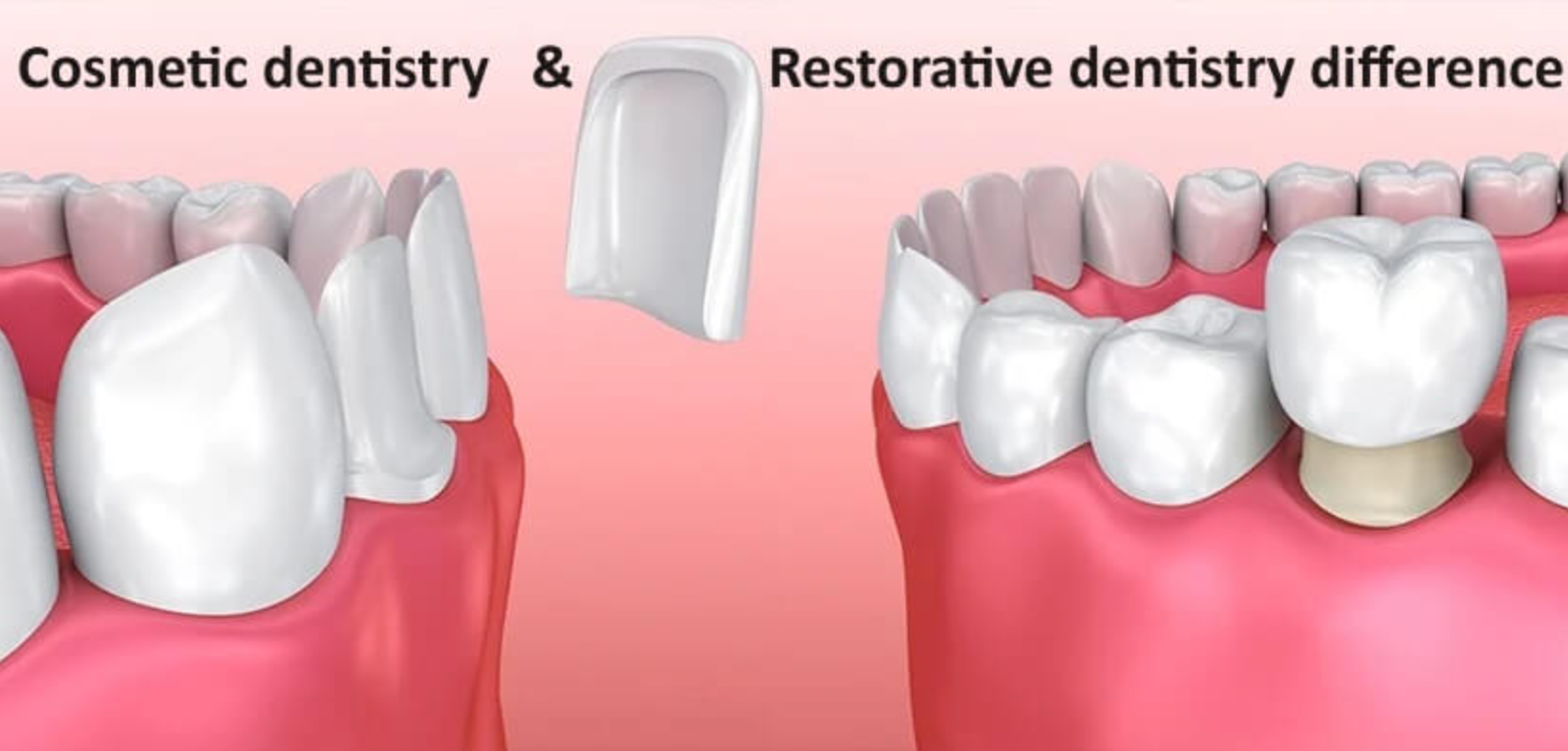
You’ve got a few ways to replace a missing tooth: dental implants, bridges, or removable partials.
- Implants: These use a titanium post plus a crown, so you don’t have to mess with the teeth next door. They keep bone strong and help prevent future bite collapse. If you need a bone graft, healing can take 3–6 months.
- Fixed bridges: These fill the gap quickly but require shaving down the teeth on either side. They don’t stop bone loss where the tooth was pulled.
- Removable dentures/partials: They’re budget-friendly, especially if you’ve lost a few teeth, but they might need relining and can change your bite over time.
Talk with your dentist about how long each option lasts, what upkeep is involved, and how they’ll look. If you’re thinking about an implant, ask for X-rays or a CBCT scan to make sure your bone’s up for it.
Orthodontic Interventions
Braces or aligners can move teeth that have drifted into a gap and help your bite feel normal again.
- Space closure vs. space opening: Your orthodontist will decide if it’s better to close the gap by moving teeth together or to make space for an implant or bridge.
- Appliance choices: You could use clear aligners, regular braces, or special anchor devices for tricky movements.
- Timing and coordination: It’s smart to plan orthodontics and tooth replacement together. If you want an implant, wait until the space is just right so you don’t mess up future tooth movement.
Expect to go in for regular tweaks and to wear a retainer after treatment. Braces can also help spread out biting forces so no single tooth gets overloaded—or your jaw joint, for that matter.
Importance of Early Detection
If you catch tooth loss and drifting early, you can sidestep a lot of complicated issues down the line.
Book an exam within a few weeks of your extraction. Your dentist can check for movement in nearby teeth, changes in your bite, and whether your jawbone needs extra support.
Dental imaging helps spot tiny shifts before you even notice trouble chewing or start to feel any jaw discomfort.
When you act quickly, you get more treatment options, and usually, it costs less and feels less invasive. Honestly, sticking with regular checkups every 6–12 months and making a plan for replacement right away is your best bet for prevention.