
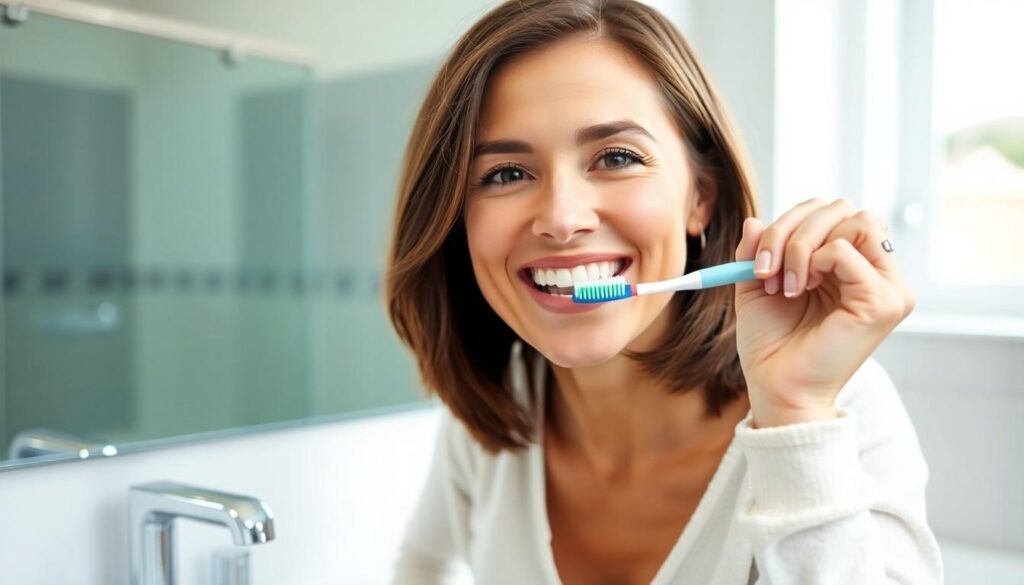
Every time a toothbrush meets toothpaste, magic happens—or at least it should! Brushing teeth isn’t just a chore; it’s a chance to unleash a dazzling smile that could charm anyone. But wait—are they brushing the right way? Many folks still think scrubbing like they’re polishing a car is the best approach. Spoiler alert: it’s not.
Overview Of Dental Brushing Techniques
Proper dental brushing techniques contribute significantly to oral health. The Bass technique involves positioning the toothbrush at a 45-degree angle to the gum line. This method ensures effective plaque removal while minimizing gum irritation.
The Modified Bass technique builds on the original by adding sweeping strokes after the initial placement. Short, gentle movements remove debris without causing damage. Positioning the toothbrush properly helps maintain gum health and prevent cavities.
Another technique is the Fones method, particularly useful for children. This technique encourages circular motions, promoting engagement and making brushing enjoyable. It’s easy for younger individuals to grasp, fostering lifelong habits.
The Stillman technique emphasizes a gentle massage of the gum tissues. By placing the toothbrush against the gums and brushing with a slight vibration, this method enhances gum stimulation. Regular use of this technique can lead to improved gum health.
Using the correct brush type is also crucial. Soft-bristled brushes prevent enamel wear and gum recession. Families should choose toothbrushes that suit individual needs and preferences, ensuring effective cleaning for everyone.
It’s essential to brush for at least two minutes, covering all tooth surfaces. Many people overlook areas like the back molars and the inner surfaces of the front teeth. Every quadrant of the mouth requires attention to ensure comprehensive dental care.
Incorporating flossing and mouthwash into the brushing routine amplifies oral hygiene efforts. Combining these practices leads to a fresher mouth and significantly lowers the risk of dental issues. Finding a routine that works for each individual enhances their ability to maintain a beautiful smile.
Importance Of Effective Brushing
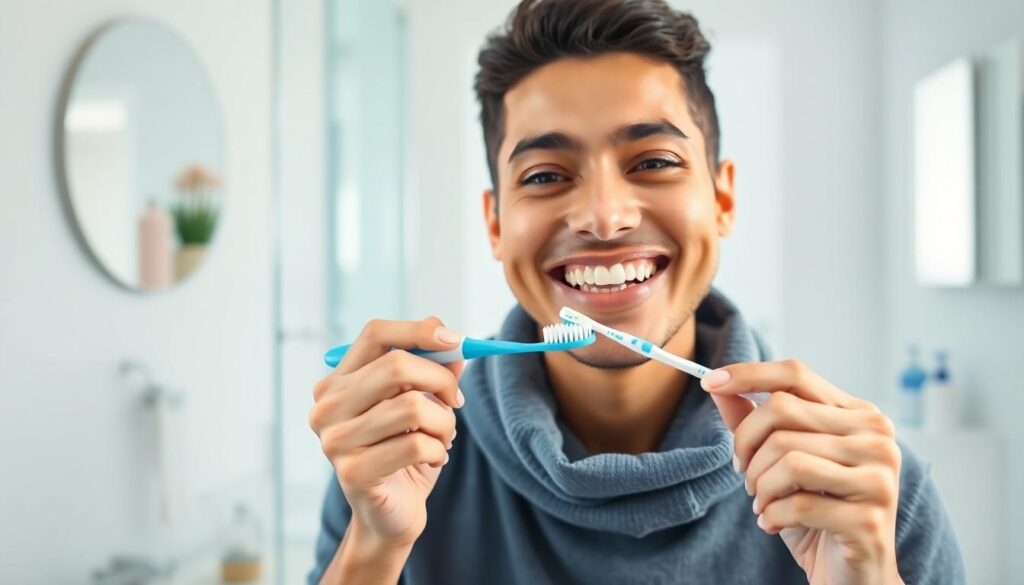
Effective brushing plays a vital role in maintaining oral health and hygiene. Proper techniques prevent dental issues and promote overall well-being.
Benefits For Oral Health
Brushing effectively removes plaque and reduces the risk of cavities. It promotes gum health, preventing gingivitis and periodontal disease. Regular brushing can help keep breath fresh by eliminating food particles and bacteria. Enhancing oral hygiene through effective brushing reduces the frequency of dental visits and associated costs. The use of a soft-bristled brush limits enamel wear while providing gentle care for gums. Individuals who incorporate proper brushing techniques enjoy healthier smiles and improved confidence.
Consequences Of Poor Brushing
Poor brushing techniques lead to plaque buildup and increases the chance of developing cavities. Neglecting adequate brushing can result in gum disease, which might cause painful complications. Bad habits often lead to increased dental bills and rigorous treatments that could have been avoided. Insufficient attention to brushing encourages bad breath, creating social discomfort. Over time, inadequate toothbrush use may contribute to tooth sensitivity and other systemic health issues. Proper techniques matter more than mere frequency; ineffective practices can dramatically impact one’s dental health.
Common Dental Brushing Techniques
Brushing techniques significantly affect oral health and hygiene. They can enhance plaque removal and promote gum health.
Manual Brushing
Manual brushing relies on human control to effectively clean teeth. Positioning the toothbrush correctly, typically at a 45-degree angle to the gums, is essential for removing plaque without causing irritation. A gentle back-and-forth motion ensures all surfaces, including outer, inner, and chewing areas, receive attention. Brushing for at least two minutes allows ample time to cover every tooth. Choosing a soft-bristled brush aids in preventing enamel wear and gum recession. Many dental professionals recommend replacing the toothbrush every three months or sooner if bristles become frayed.
Electric Brushing
Electric brushing offers advanced technology that simplifies oral care. The oscillating or rotating bristle movements enhance plaque removal with less effort from the user. Some models incorporate timers, encouraging a full two minutes of brushing, while pressure sensors prevent excessive force against teeth and gums. Electric brushes often provide various settings, catering to specific needs such as sensitive teeth or gum care. Users experience a thorough clean, which can foster better compliance with brushing habits, leading to improved overall oral health. Regularly replacing brush heads every three months is as crucial as manual brushing techniques.
Proper Brushing Techniques
Brushing teeth involves specific techniques for optimal results. Understanding correct methods ensures effective plaque removal and promotes overall oral hygiene.
The Correct Brush Angle
Positioning the toothbrush at a 45-degree angle to the gum line enhances cleaning effectiveness. This angle helps target plaque buildup between the teeth and gums. Gentle strokes allow for thorough cleaning without damaging gum tissue. Focusing on each tooth surface promotes better results. Adjusting the brush’s position to follow the gum line reduces the risk of irritation while maximizing contact with the teeth.
Duration And Frequency
Brushing for two minutes each session supports proper cleaning. Setting a timer can help ensure this duration is met consistently. Engaging in brushing twice daily, once in the morning and once at night, is essential for maintaining oral health. Each brushing session should cover all tooth surfaces without rushing. Regularly replacing toothbrushes every three months contributes to maintaining effectiveness in plaque removal.
Tips For Improving Your Brushing Routine
Enhancing the brushing routine involves a few simple adjustments that can significantly improve oral health.
Choosing The Right Toothbrush
Selecting a toothbrush shapes the effectiveness of routine cleaning. Soft-bristled brushes minimize gum irritation while effectively removing plaque. Smaller brush heads can reach hard-to-access areas. An electric toothbrush might suit those seeking ease and efficiency, as it often provides improved cleaning capabilities. Regularly replacing toothbrushes every three months ensures optimal performance and hygiene. Individuals should consider their specific dental needs when choosing a toothbrush.
Selecting The Best Toothpaste
The choice of toothpaste plays a crucial role in oral care. Fluoride toothpaste effectively combats cavities and strengthens enamel. Many brands offer specific formulations targeting issues like sensitivity, whitening, or gum health. It’s essential to look for the American Dental Association (ADA) seal of approval, ensuring the product’s safety and efficacy. Choosing toothpaste with flavor preferences can encourage consistent use and improve the brushing experience. Utilizing the right toothpaste complements an effective brushing routine, promoting overall dental health.
Conclusion
Mastering proper dental brushing techniques is essential for maintaining oral health and achieving a radiant smile. By understanding and applying the right methods individuals can effectively remove plaque and prevent gum disease, ensuring a healthier mouth. Choosing the appropriate toothbrush and toothpaste plays a vital role in this process.
Incorporating these techniques into daily routines not only supports dental hygiene but also fosters lifelong habits that contribute to overall well-being. Whether opting for manual or electric brushes, the key lies in consistency and technique. With the right approach, everyone can enjoy the benefits of fresh breath, fewer dental visits, and a confident smile.