

When it comes to dental hygiene, most people think of brushing and flossing—simple, right? But there’s a whole world of techniques out there that can make your smile shine brighter than a Hollywood star on Oscar night. With the right approach, dental care can go from a chore to a fun part of your daily routine.
Overview Of Dental Hygiene Techniques
Brushing teeth remains a foundational practice. Dentists recommend brushing at least twice daily with fluoride toothpaste. Each brushing session should last two minutes, ensuring coverage of all tooth surfaces.
Flossing plays a crucial role too. It removes plaque and food particles between teeth where brushes can’t reach. Using dental floss once a day maximizes benefits.
Mouthwash adds another layer of protection. An antibacterial mouthwash can help reduce gingivitis and bad breath. Swishing for 30 seconds after brushing enhances oral hygiene outcomes.
Interdental cleaners provide an effective alternative to traditional floss. Devices such as dental picks or soft picks can assist in cleaning between teeth. Regular use helps maintain gum health and prevent cavities.
Tongue scraping is often overlooked. This technique removes bacteria from the tongue’s surface, contributing to fresher breath. Daily scraping can improve overall oral hygiene.
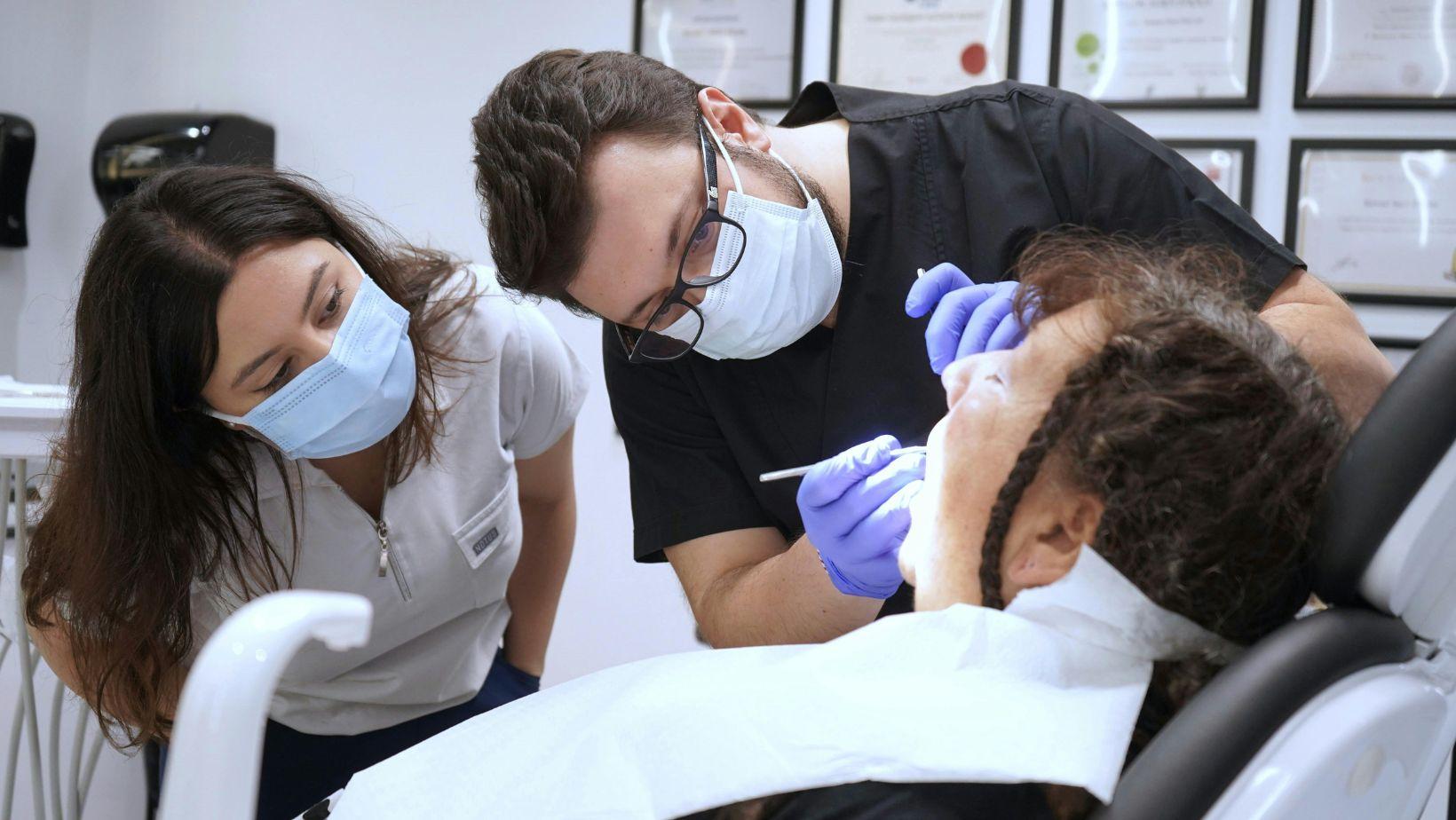
Regular dental check-ups shouldn’t be underestimated. Professional cleanings aid in removing tartar that brushing and flossing miss. Visiting a dentist every six months ensures proactive monitoring of oral health.
Proper nutrition supports dental hygiene too. A balanced diet rich in vitamins and minerals helps strengthen teeth. Foods high in calcium, like dairy products, contribute to enamel integrity.
Staying hydrated plays a vital role as well. Drinking water throughout the day helps wash away food particles and bacteria. Dry mouth can lead to dental issues, making hydration essential for overall health.
Incorporating these techniques fosters a comprehensive dental hygiene routine. Regularly practicing these methods transforms daily oral care into an effective and enjoyable habit.
Importance Of Dental Hygiene


Dental hygiene plays a crucial role in maintaining both oral health and overall well-being. Proper practices can effectively prevent dental diseases and enhance general health.
Preventing Dental Diseases
Regular dental hygiene prevents cavities, gum disease, and other oral infections. Brushing twice daily with fluoride toothpaste strengthens enamel and reduces plaque buildup. Flossing daily complements brushing by reaching areas between teeth, where brushes can’t reach. Antibacterial mouthwash diminishes harmful bacteria and freshens breath. Regular dental check-ups allow professionals to identify potential issues early. These actions collectively lower the risk of severe conditions like periodontal disease and tooth loss.
Enhancing Overall Health
Maintaining dental hygiene doesn’t just benefit teeth and gums; it impacts overall health. Research links poor oral health to heart disease, diabetes, and respiratory issues. Oral bacteria may enter the bloodstream, leading to systemic inflammation. Proper nutrition supports strong teeth and gums, contributing to a healthier body. Staying hydrated aids saliva production, which naturally protects against decay. Good dental practices contribute to better quality of life and overall wellness.
Common Dental Hygiene Techniques
Dental hygiene encompasses several key techniques beyond basic brushing and flossing. These methods collectively enhance oral health and contribute to overall well-being.
Brushing Techniques
Brushing plays a fundamental role in dental hygiene. Using a soft-bristled toothbrush helps prevent gum irritation while effectively removing plaque. Individuals should brush for at least two minutes twice daily, ensuring even coverage across all tooth surfaces. A circular motion can promote thorough cleaning, while angling the brush at 45 degrees toward the gumline aids in plaque removal. Replacing toothbrushes every three months or sooner if bristles fray ensures optimal effectiveness. Most importantly, fluoride toothpaste strengthens enamel and offers essential protection against cavities.
Flossing Techniques
Flossing serves a critical purpose in removing debris and plaque from between teeth. Daily flossing is essential for maintaining healthy gums and preventing gum disease. Users should take about 18 inches of floss, winding it around the middle fingers and holding it tightly. Gentle sliding of the floss between teeth, making a C shape around each tooth, promotes maximum cleaning. Individuals should also make sure to floss behind the last tooth to ensure all areas are cleaned. If traditional floss proves difficult, floss picks and interdental brushes can offer effective alternatives.
Mouthwash Usage
Using mouthwash can significantly enhance dental hygiene by reducing bacteria and freshening breath. Selecting an antibacterial mouthwash helps combat gingivitis and plaque buildup. Incorporating mouthwash into the daily routine after brushing and flossing maximizes benefits. It’s important to swish the mouthwash for at least 30 seconds, avoiding swallowing. Additionally, using alcohol-free varieties can prevent dry mouth while retaining fresh breath. Mouthwash complements brushing and flossing, creating a comprehensive approach to oral health.
Advanced Dental Hygiene Techniques
Advanced dental hygiene techniques enhance oral health beyond basic practices. Implementing these methods can significantly contribute to maintaining healthy teeth and gums.
Professional Cleanings
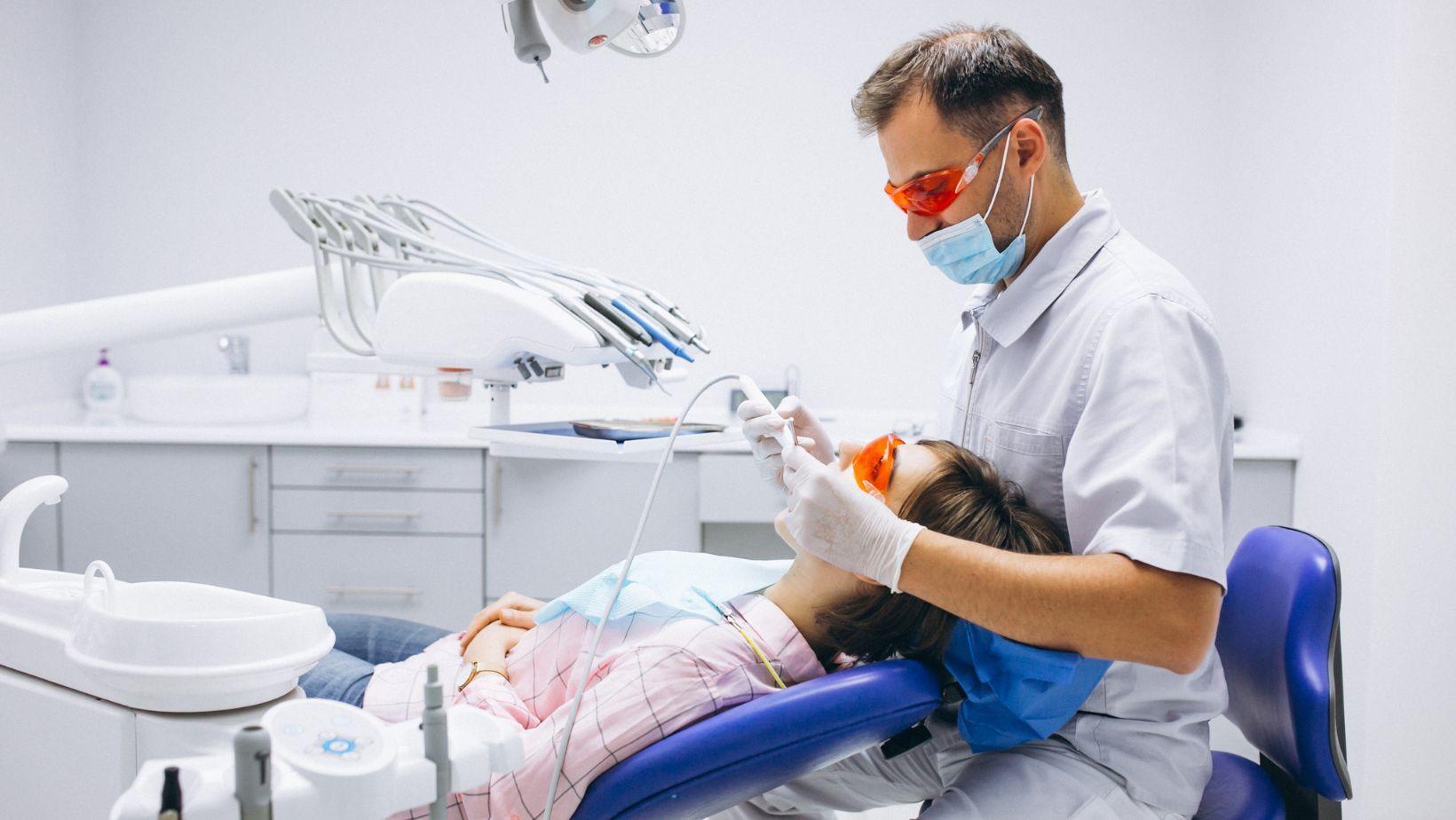
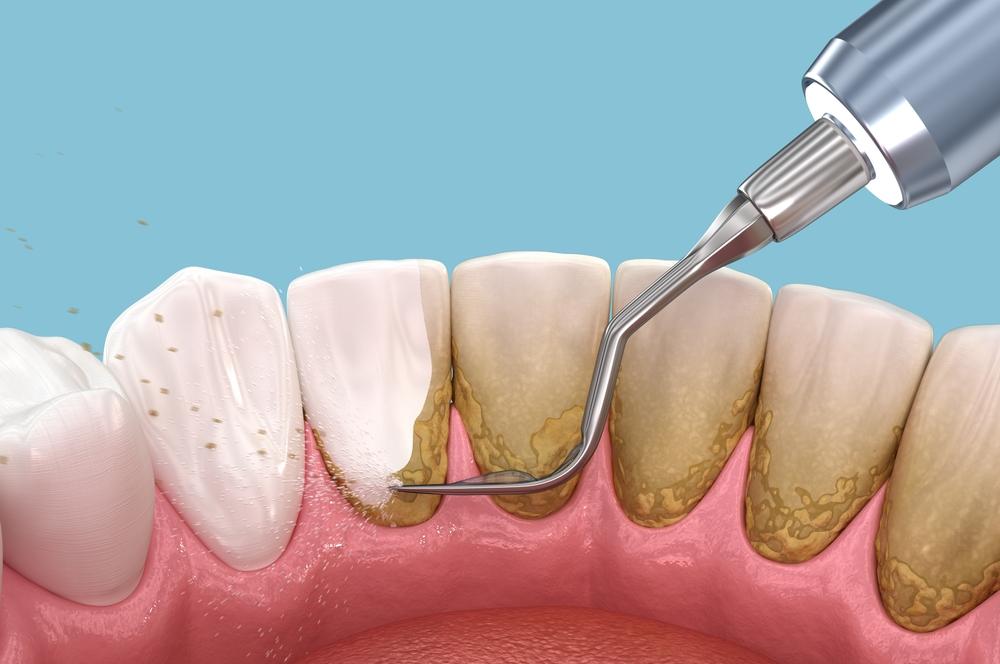
Regular professional cleanings play a crucial role in comprehensive dental care. Dentists recommend scheduling these cleanings at least twice a year. During a cleaning, dental hygienists remove tartar and plaque that regular brushing and flossing may miss. They utilize specialized tools to clean teeth thoroughly, providing an opportunity to identify potential issues early. Additionally, the cleaning process leaves teeth feeling polished and refreshed, encouraging better home care routines.
Sealants And Fluoride Treatments
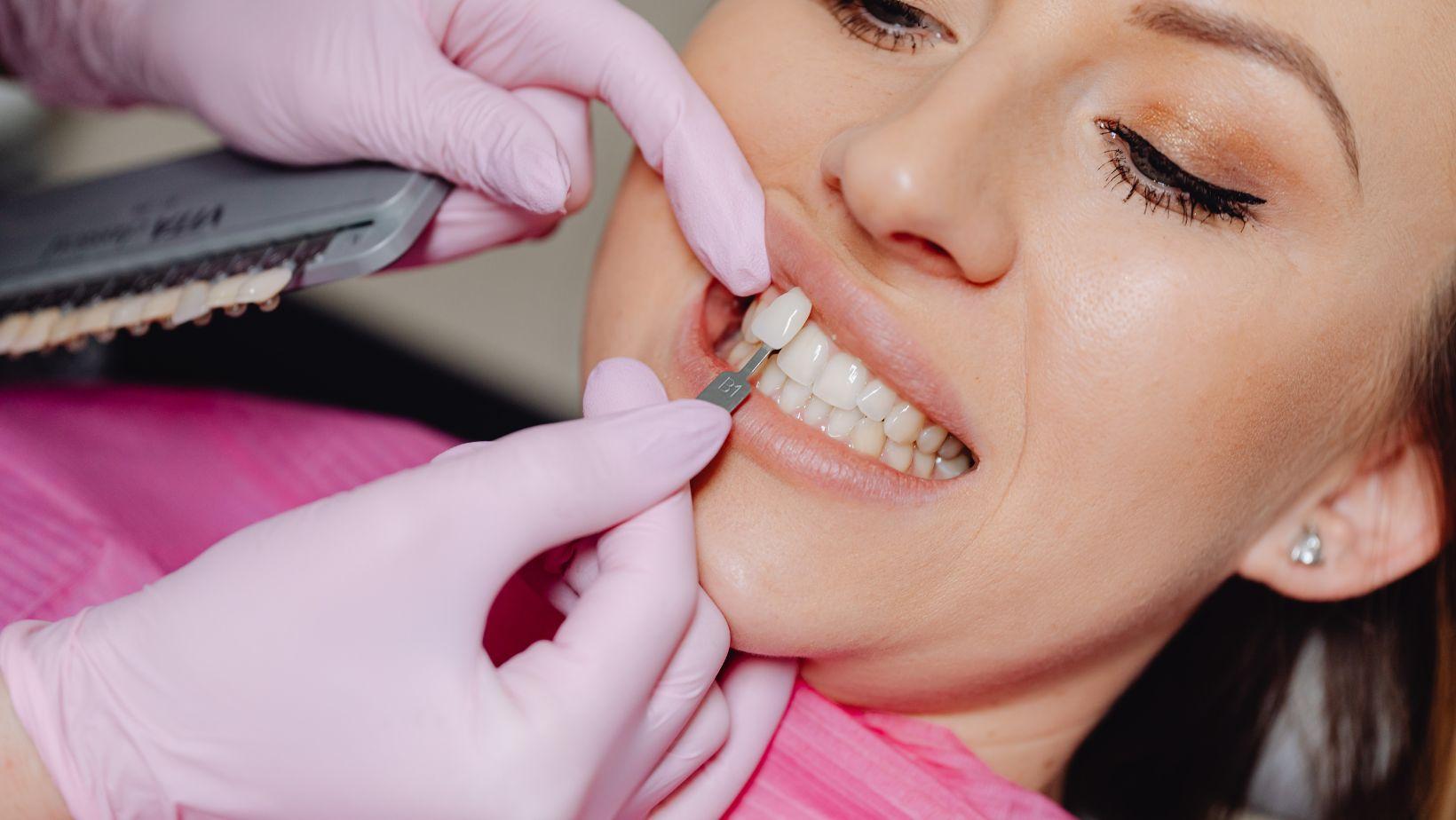
Sealants offer an effective way to protect teeth from decay. Applied during a dental visit, sealants create a barrier over the chewing surfaces of molars, preventing the buildup of plaque and food particles. Fluoride treatments further strengthen tooth enamel, making it more resistant to acids from plaque. They benefit both children and adults by enhancing overall dental health. Dentists often recommend these treatments based on individual needs, ensuring tailored protection against cavities.
Conclusion
Embracing a comprehensive approach to dental hygiene can significantly improve oral health. By incorporating advanced techniques alongside basic practices, individuals can create a more effective and enjoyable routine. Regular professional cleanings and treatments like sealants and fluoride applications play a crucial role in preventing decay and maintaining strong enamel.
Moreover, understanding the connection between oral health and overall well-being reinforces the importance of consistent dental care. With the right techniques and a commitment to maintaining good habits, achieving a healthy smile becomes an attainable goal for everyone. Prioritizing dental hygiene not only enhances confidence but also contributes to a better quality of life.