

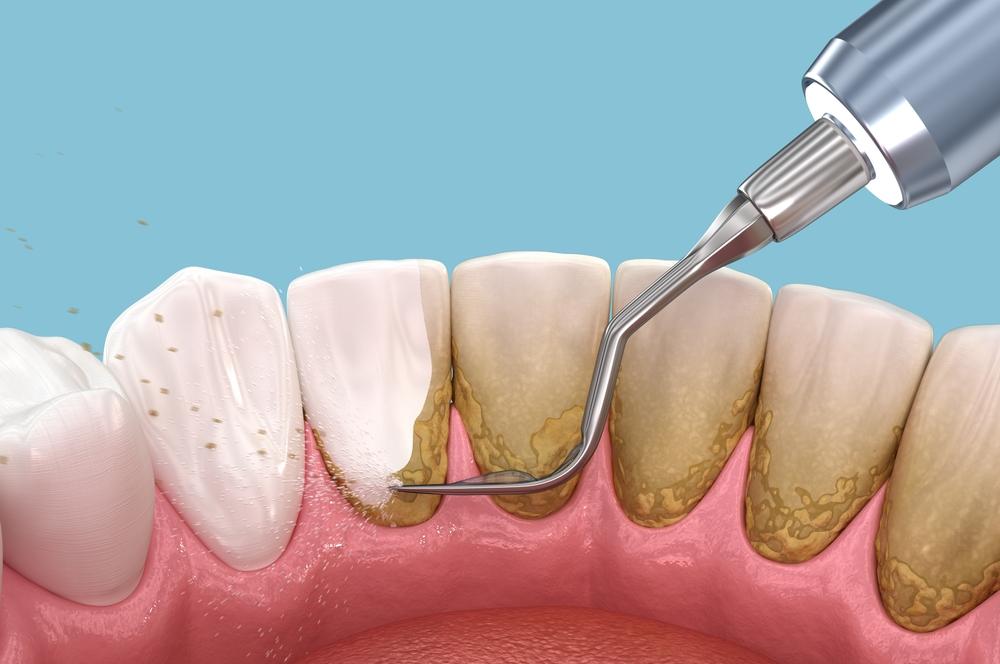

Gum disease doesn’t automatically disqualify you from getting dental implants, but it does demand treatment and planning first. If you have gum disease, dentists like Bonita Dely Dental Care in Chula Vista will focus on stopping infection and rebuilding healthy gum and bone before placing implants to lower the risk of implant failure.
You’ll learn how gum disease affects implant stability, the common risks like peri-implantitis, and the typical steps—such as deep cleaning, possible bone grafting, and ongoing maintenance—that make implants a safe option for many people. This article also covers prevention strategies and what long-term outcomes and recent advances mean for your smile.
Understanding Dental Implants and Gum Disease
You need to know what implants are, how gum disease develops, and why healthy gum and bone tissue matter for long-term implant success.
What Are Dental Implants?
A dental implant is a titanium or titanium-alloy screw placed into the jawbone to replace a tooth root.
Your dentist uses the implant to support a crown, bridge, or denture, restoring chewing function and appearance.
Key components:
- Implant fixture: the metal post that integrates with bone (osseointegration).
- Abutment: the connector between implant and restoration.
- Prosthesis: the visible crown, bridge, or denture.
You typically need adequate bone volume and controlled oral infection before placement.
Bone grafting and staged treatment are common when bone loss or active infection exists.
Types of Gum Disease
Gum disease ranges from reversible inflammation to destructive infection.
- Gingivitis: Red, swollen, bleeding gums caused by plaque buildup; reversible with cleaning.
- Periodontitis: Infection that destroys ligament and bone; leads to pocket formation and tooth mobility.
- Peri-implant mucositis: Inflammation confined to soft tissue around an implant; similar to gingivitis and reversible if treated.
- Peri-implantitis: Progressive bone loss around an implant, analogous to periodontitis, and a major risk for implant failure.
Risk factors include smoking, poor oral hygiene, diabetes, and prior periodontal disease.
You must address risk factors and early signs—bleeding, bad taste, increasing pocket depth—to prevent progression.
The Link Between Implants and Gum Health
Healthy gum and bone tissue provide the support implants need to function long-term.
Active periodontal infection at the time of implant placement increases the likelihood of complications and implant failure.
Specific concerns:
- Bone loss: Periodontitis reduces bone height and density; implants placed into insufficient bone risk instability and may require grafting.
- Infection spread: Bacteria from diseased gums can colonize implant surfaces, causing peri-implantitis.
- Maintenance demands: Implants lack a periodontal ligament, so you rely on rigorous plaque control and regular professional care to prevent inflammation.
Practical steps you should take:
- Treat active gum disease before implant surgery.
- Maintain daily brushing and interdental cleaning and attend regular periodontal or implant maintenance visits.
- Control systemic factors such as smoking and uncontrolled diabetes to improve implant outcomes.
Risks and Complications
Dental implants carry specific infection, bone-loss, and nerve-related risks that can threaten implant stability and your oral health. Early detection and proper care significantly reduce the chance of long-term failure.
Peri-Implantitis
Peri-implantitis is an inflammatory infection around the implant that destroys supporting bone. It often starts with bacterial buildup on implant surfaces and progresses to pocket formation, bleeding, pus, and bone loss if untreated.
Risk factors include poor oral hygiene, history of periodontitis, smoking, uncontrolled diabetes, and residual cement from crowns. Treatment varies by severity: professional cleaning and antiseptics for mild cases; mechanical debridement, local or systemic antibiotics, and guided bone regeneration for moderate to severe cases.
You can lower risk by cleaning around the implant daily with an interdental brush and using professional maintenance every 3–6 months. Promptly report increased bleeding, swelling, or mobility to your dentist to prevent irreversible bone loss.
Gum Disease Impact on Implant Success
Active gum disease at the time of implant placement greatly increases failure risk. Inflamed tissues and bacterial reservoirs impair healing and reduce the chance that the implant will integrate with the jawbone (osseointegration).
If you had periodontitis, clinicians often treat and stabilize the disease first, sometimes delaying implant placement for weeks to months. Inadequate bone or ongoing infection may require bone grafts, antibiotics, or alternative prosthetic options to achieve a predictable outcome.
Discuss your periodontal history, smoking status, and systemic health with your provider. A tailored maintenance plan—professional cleanings, targeted hygiene tools, and periodic radiographs—improves long-term implant survival.
Warning Signs to Watch For
Monitor implants regularly for these specific signs: persistent bleeding, gum swelling, new or worsening pain, exposed implant threads, and any sensation of looseness. Pus drainage or a bad taste can indicate active infection requiring immediate care.
Also note changes in bite or crown mobility; even slight movement suggests loss of bone support. Numbness, tingling, or prolonged altered sensation after placement can signal nerve involvement and needs urgent evaluation.
If you observe any of these signs, contact your dentist promptly. Early intervention often preserves the implant and prevents the need for removal.
Prevention and Maintenance Strategies
Focus on controlling infection before implant surgery, keeping plaque and inflammation under constant control afterward, and getting professional monitoring at recommended intervals.
Pre-Implant Gum Disease Management
Treat active gum disease fully before placing implants. Your dentist or periodontist should resolve gingivitis or periodontitis with scaling and root planing, targeted antibiotics if indicated, and re-evaluation of probing depths until inflammation is controlled.
If you smoke, quit or reduce smoking before surgery; smoking raises implant failure and peri-implantitis risk.
Address systemic factors that affect healing — uncontrolled diabetes, steroid use, or immunosuppression — by working with your physician to optimize medical status.
Plan for staged care when bone loss or infection exists: bone grafting or guided tissue regeneration may be needed before implants. Insist on clear clinical and radiographic evidence of healthy soft tissues and adequate bone before proceeding.
Oral Hygiene Finest Practices
Use a soft-bristled toothbrush and low-abrasive paste to clean implant crowns twice daily. Clean around the implant-abutment interface every day with interdental brushes sized to fit the embrasure; use nylon-coated wires to avoid scratching implant surfaces.
Floss daily using implant-specific floss, superfloss, or a water flosser set to a gentle pressure. Pay special attention to the area where the crown meets the gum; plaque accumulation there is the common starting point for peri-implant mucositis.
Consider adjuncts: chlorhexidine rinses for short-term control of inflammation after procedures, and antimicrobial gels applied per clinician instruction. Replace worn interdental brushes and the toothbrush every 3 months or sooner.
Regular Dental Checkups
Schedule professional checkups at least every 3–6 months based on your risk profile. Your clinician will perform probing with a plastic probe, assess bleeding on probing, check for suppuration, and take periodic radiographs to detect early bone loss.
Professional maintenance includes supra- and subgingival debridement with instruments safe for implants (titanium or plastic tips, air polishers with nonabrasive powders) to remove biofilm without damaging implant surfaces.
Bring any early signs—bleeding, swelling, persistent bad taste, or mobility—to your provider immediately. High-risk patients (history of periodontitis, smokers, diabetes) often need more frequent visits and tailored maintenance plans.
Long-Term Outcomes and Advances
You will learn how new implant materials and surface treatments improve integration and how emerging protocols aim to reduce peri-implant disease risk and simplify long-term care.
Latest Innovations in Implant Technology
Modern implants use surface engineering to speed osseointegration and resist bacterial colonization. Examples include nano-roughened titanium and ceramic (zirconia) implants that show improved soft-tissue response and lower plaque accumulation in some studies.
Connected-design changes—such as platform-switching and conical connections—reduce microgap-related inflammation and preserve crestal bone. You should note that implant geometry (thread design, diameter) also affects primary stability in low-density bone.
Adjunctive technologies matter: antibacterial coatings (silver, antimicrobial peptides) and bioactive coatings (calcium phosphate, growth factors) target early healing and microbial control. Digital workflow—CBCT planning, guided surgery, and CAD/CAM prostheses—reduces surgical trauma and improves prosthetic fit, lowering mechanical complications that can contribute to biological failure.
Future Prospects for Patients with Gum Disease
Personalized risk assessment will shape treatment: you’ll see wider use of predictive tools combining periodontal history, genetics, smoking status, and glycemic control to tailor implant timing and maintenance. For patients with prior periodontitis, staged approaches (ridge augmentation, soft-tissue grafting, extended antimicrobial protocols) improve outcomes when combined with strict maintenance.
Minimally invasive and regenerative techniques will expand. Examples include platelet-rich fibrin to enhance soft-tissue healing and novel bone substitutes for faster graft incorporation. Long-term success will still depend on your daily plaque control and attendance at maintenance visits; technological advances lower—but do not eliminate—your risk of peri-implantitis.