


Table of Contents
ToggleYou might need a deep dental cleaning if you notice persistent bleeding, bad breath that just won’t go away, or gums that seem to be pulling away from your teeth. These signs usually mean there’s plaque and tartar building up below the gumline—stuff your toothbrush can’t touch.
Catching these issues early helps prevent gum disease and tooth loss. If you’ve spotted any of these things, it’s probably time to pay attention—because left untreated, gum disease can progress to the point where affordable dental implants in Southfield, MI become part of the conversation to restore what’s been lost.
Common Oral Health Changes
You might spot changes in your breath, how your gums feel, or how your teeth look. Sometimes, these subtle shifts are your mouth’s way of waving a little red flag.
Notice how often these things happen and how bad they get. Does it come and go, or is it sticking around?
Persistent Bad Breath
Bad breath that just won’t improve—even after brushing and flossing—often points to bacteria hiding below the gumline. These bacteria create those nasty sulfur smells, and if they stick around for days or weeks, you might have periodontal pockets where plaque and tartar love to hang out.
Check for a metallic taste, food stuck between your teeth, or breath that only gets better for a little while after mouthwash. If you notice patterns—maybe it’s worse in the morning or after meals—mention that to your dentist.
Your dentist will check how deep those pockets are and might recommend a deep cleaning if things look dicey.
Tender or Bleeding Gums
If your gums bleed when you brush, floss, or even bite into an apple, that’s inflammation talking. Early gingivitis might cause a little bleeding, but if it happens a lot or your gums feel sore, swollen, or start pulling away from your teeth, things may have moved into periodontitis territory.
Notice where and when the bleeding happens. If it’s happening often, especially with gum recession, it’s time for a professional look.
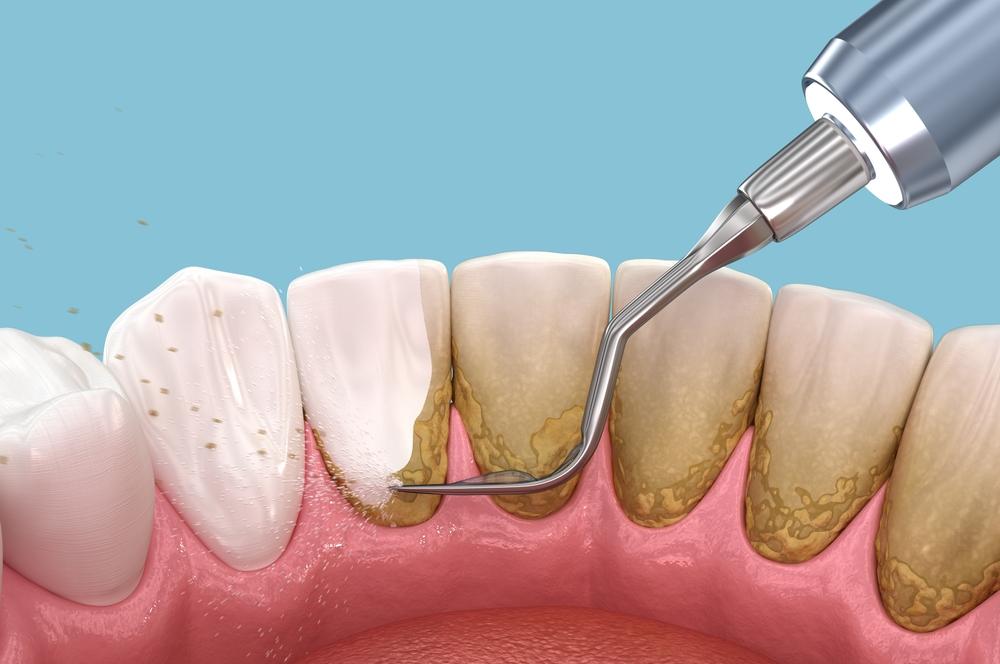
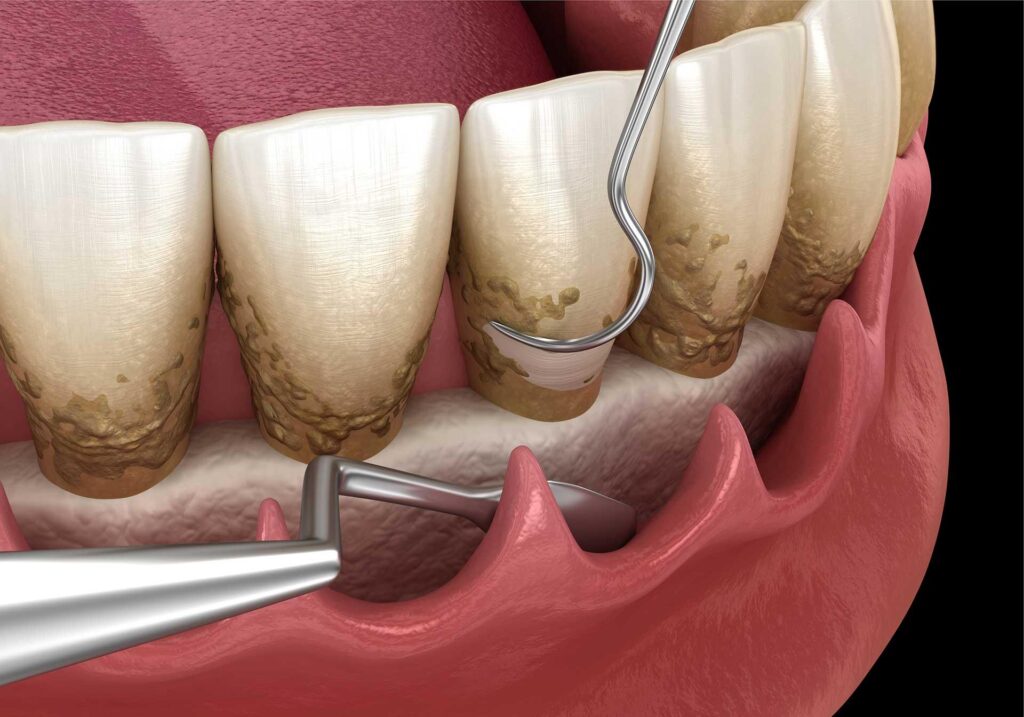
Your dentist will check how much your gums have pulled away and how deep the pockets are. Deep cleaning (scaling and root planing) can help get rid of the gunk and let your gums heal.
Visible Tartar or Stains
If you see hard, yellowish, or brown stuff at your gumline or between your teeth, that’s probably tartar. Tartar clings to enamel and gives plaque a place to stick, and you can’t brush it off.
Feel for rough bumps with your tongue, especially near your lower front teeth or molars. Stains from coffee or tobacco often sit right on top of tartar, making your teeth look darker.
If tartar is creeping below the gumline, it can lead to pocketing and more bacteria. Your dentist will look for this and might suggest a deep cleaning to get rid of it.
Early Warning Signs
Sometimes, changes sneak up before your regular checkup. Bleeding, swelling, sensitivity, or gums that seem to be shrinking are all little hints you might need more than a regular cleaning.
Gum Swelling or Redness
If your gums look red and puffy even after brushing, that’s a sign of irritation or infection. Darker red gums that bleed easily usually mean bacteria and plaque are hanging out just under the gum margin.
Frequent bleeding—more than just a little after brushing hard—deserves a closer look. If your dentist finds pockets deeper than 3–4 mm, they’ll probably recommend a deep cleaning.
Teeth Sensitivity
Sudden or lingering sensitivity to cold, hot, or sweet foods can mean your roots are showing or your gums are pulling back. When plaque and tartar sneak under the gumline, gums can loosen and expose dentin, which reacts to temperature and sweets.
Is the sensitivity just in one spot or all over? If it’s just a few teeth and the gums around them look red or bleed, you might need targeted periodontal treatment, maybe even a deep cleaning.
Unexplained Gum Recession
If your gums are receding and you can’t blame aggressive brushing or braces, there might be something else going on. Recession plus bad breath or loose teeth can point to periodontitis, not just wear and tear.
Try snapping a photo or measuring your gumline if you’re worried. If you see roots showing or gaps forming, your dentist might suggest a deep cleaning to help stop things from getting worse.
Potential Health Implications
Letting plaque and tartar build up under the gumline can really mess with your gums and even your overall health. It’s better to act early than deal with bigger problems later.
Risk of Periodontal Disease
When plaque turns into tartar under the gums, bacteria start irritating and inflaming the tissues. Bleeding when you brush, chronic bad breath, gum recession, or deep pockets (over 4 mm) are all signs of active gum disease.
If you ignore it, the inflammation can destroy the ligament and bone holding your teeth in place. That’s when teeth get loose or shift, and eventually, you could lose them.
A deep cleaning removes the bacteria, shrinks pocket depth, and helps stop things from getting worse—especially if you keep up with good home care.
Connection to Systemic Conditions
Oral bacteria and the inflammation from gum disease can slip into your bloodstream during everyday things like chewing or brushing. Studies have linked this to higher risks for heart disease, trouble controlling blood sugar in diabetes, and even pregnancy complications.
Getting a deep cleaning lowers the bacterial load and inflammation. If you have diabetes or heart issues, treating gum disease can help your overall health, so it’s smart to keep your dentist and doctor in the loop.
When to Consult a Dental Professional
If you notice bleeding when you brush or floss and it just won’t quit, go ahead and schedule an appointment. Bleeding that sticks around for several days or pops up after gentle brushing might point to gum inflammation or even infection.
Chronic bad breath (halitosis) that doesn’t budge, even after you step up your oral hygiene, deserves attention from your dentist. Gum disease can cause persistent bad breath because bacteria hide below the gumline, making things tough to fix on your own.
If your gums seem to be receding, or you start to feel loose teeth or spot new gaps, it’s time to get checked out. Those changes could mean your bone or gum tissue needs a closer look.
During a dental exam, if your dentist finds gum pockets deeper than usual, they’ll probably suggest scaling and root planing. It’s important to follow through quickly, since deep pockets give bacteria more space to mess things up.
If you notice any of these symptoms, ask for periodontal measurements and dental X-rays. Those tests help your dentist see pocket depth and bone loss, which guides them in recommending a deep cleaning—or not.
When you visit, bring a list of your symptoms and jot down your oral-care habits. The more details you share, the better your dental team can figure out what’s going on and offer the right treatment.