



Table of Contents
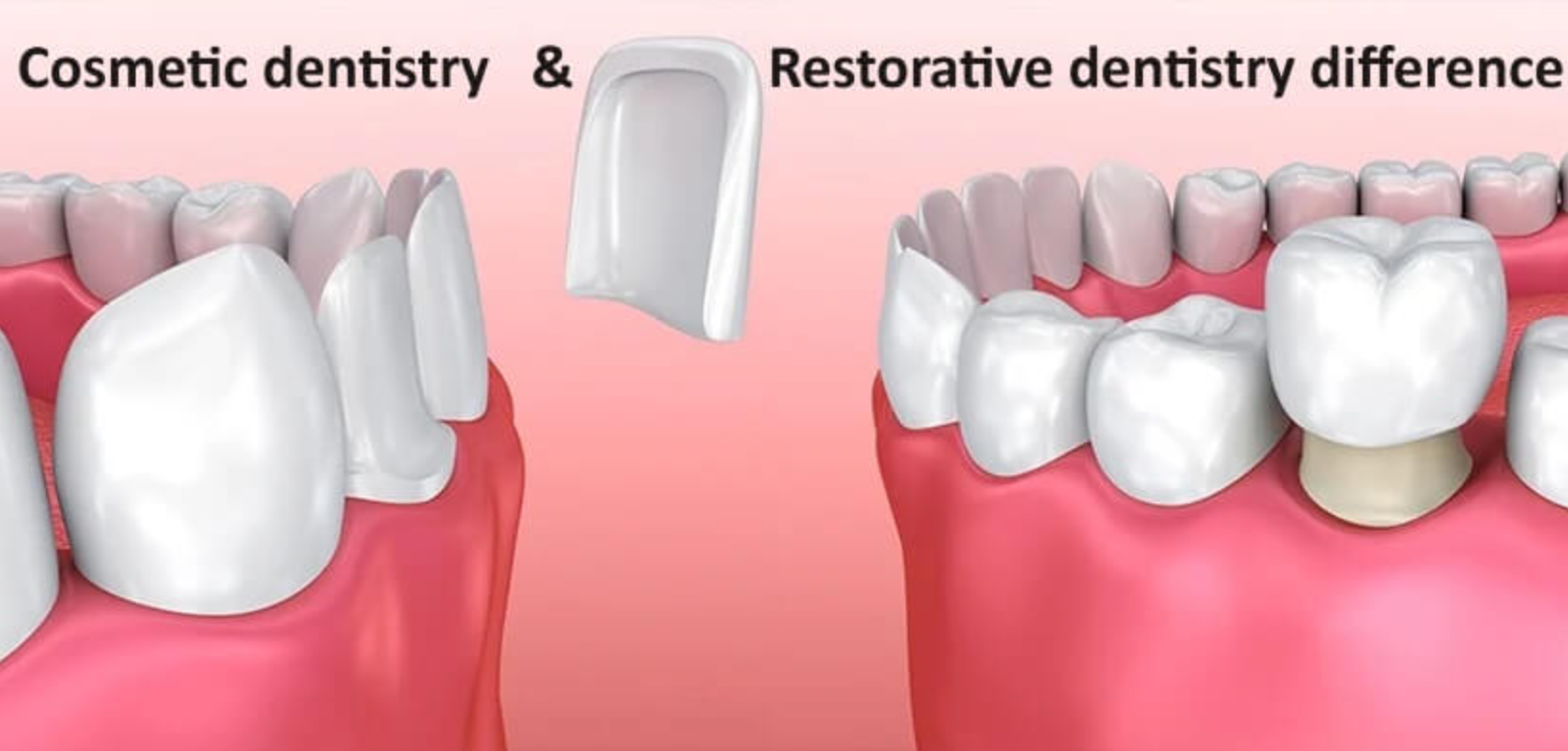
ToggleYou want a smile that looks good and works well, but cosmetic and restorative dentistry don’t really aim for the same thing. Cosmetic dentistry puts appearance first—think whitening, veneers, reshaping—while restorative dentistry fixes decay, damage, and missing teeth to restore how your mouth actually functions.
If you’re just after a brighter or more even smile, cosmetic treatments can lift your confidence. But if you’re dealing with pain, infection, or missing teeth, restorative care is the one that’ll actually solve the problem and protect your health for the long run.
This article should help you figure out which path fits your situation. You’ll get a sense of the procedures, who’s a good candidate, and how maintenance affects your results over time.
You’ll also see where the two overlap, so you can decide what matters most: appearance, function, or maybe a bit of both—and if you’re curious about how a better smile can affect more than just looks, the research on cosmetic dentistry’s psychological impact might just tip the scales for you.
Core Objectives of Dental Procedures
Dental procedures usually aim to either change how your smile looks or fix how your mouth works. Let’s break down what each approach is really after and what you might get out of them.
Aesthetic Enhancement Focus
People turn to aesthetic dentistry mostly to change how their teeth and gums look. These procedures target things like tooth color, shape, and alignment to build a more harmonious smile.
Common treatments include:
- Teeth whitening to reduce stains and brighten your teeth.
- Veneers to alter shape, cover chips, or close small gaps.
- Cosmetic bonding to quickly reshape teeth using tooth-colored resin.
- Orthodontics (cosmetic emphasis) like clear aligners for improving alignment without obvious hardware.
When you plan for cosmetic work, the dentist will focus on visual goals—shade matching, symmetry, and making sure everything blends in. Longevity and maintenance come up too, since cosmetic results don’t always last forever and might need touch-ups.
Functional Restoration Goals
Restorative dentistry is all about repairing damage, stopping disease, and bringing back chewing, speech, and bite alignment. The focus is on structure and health, not just how things look.
Typical procedures include:
- Fillings and root canals to treat decay and keep as much tooth as possible.
- Crowns and bridges to rebuild strength or replace missing teeth.
- Dental implants to restore root function and support new teeth.
- Partial/full dentures for larger tooth loss.
Dentists use diagnostics like X-rays and pick materials for durability and biocompatibility. These treatments might improve appearance as a bonus, but the main goal is restoring comfort, function, and keeping further problems at bay.
Treatment Types and Techniques
You’ll run into procedures that either change how your teeth look or restore how they work. Here are some specifics about cosmetic options, major restorative procedures, and the materials and tech you’ll see in modern dentistry.
Common Cosmetic Treatments
Cosmetic dentistry is about the look. You can go for teeth whitening (in-office or with trays at home) to lighten stains, sometimes in just one visit.
Porcelain or composite veneers reshape teeth and cover up discoloration or chips. Veneers usually mean shaving down enamel and matching the shade just right.
Bonding uses tooth-colored resin to fix small chips or gaps, often in a single appointment. Invisalign and clear aligners straighten teeth without the metal—treatment usually takes a few months with a series of custom trays.
Cosmetic crowns can improve appearance and cover bigger defects when aesthetics are the main concern.
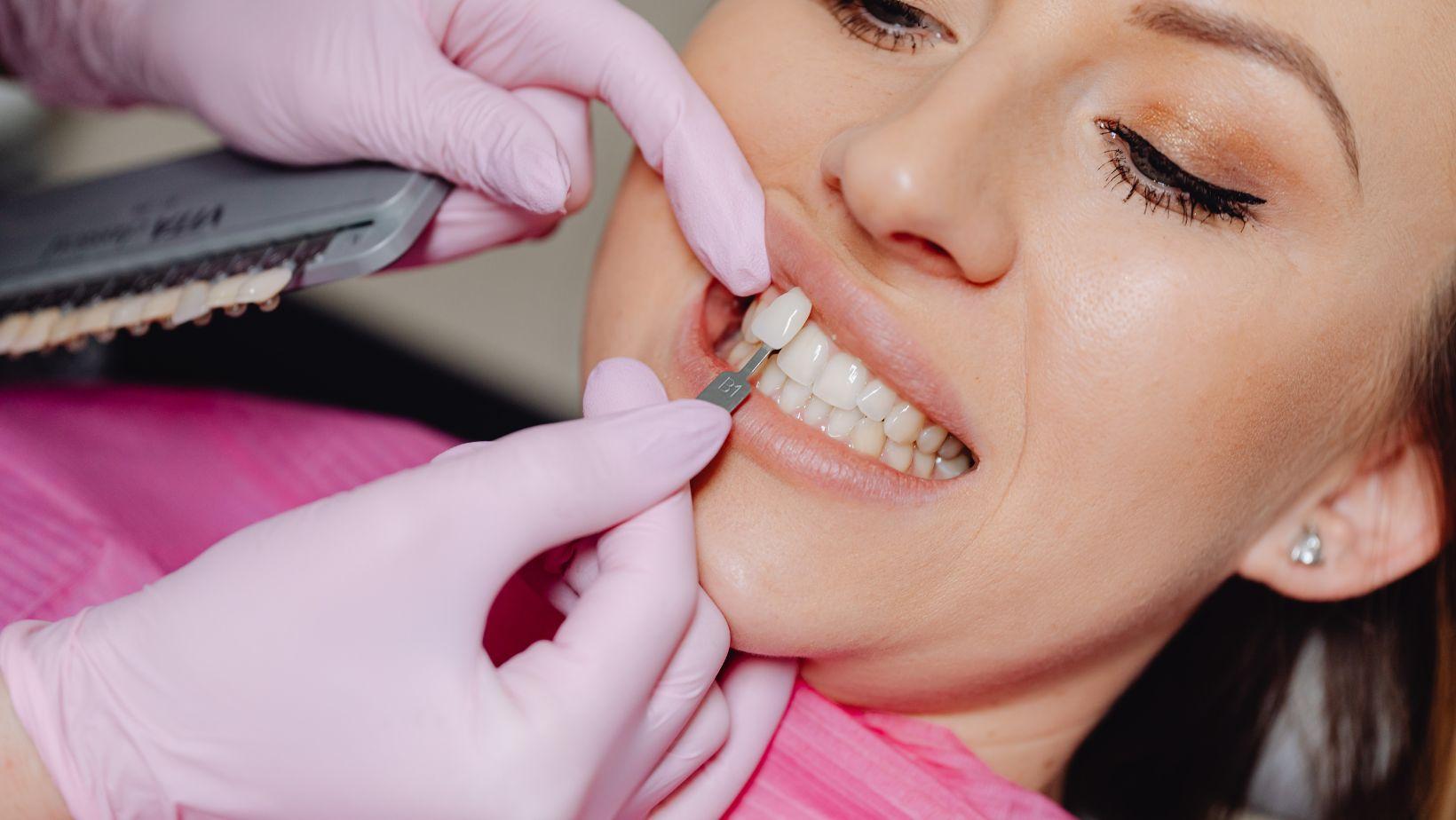
You’ll usually go through shade selection, maybe a trial mock-up, and sometimes get temporary work before the final result. Whitening needs touch-ups, and veneers can last over a decade with decent care, but nothing lasts forever.
Major Restorative Procedures
Restorative dentistry repairs function and health. Fillings (composite or amalgam) treat decay and stop it from spreading. Composites bond right to the tooth and let you keep more enamel.
Root canals remove infected pulp, disinfect the inside, and seal it up to save a tooth that would otherwise have to go.
Crowns restore badly damaged teeth. The dentist will prep the tooth, take an impression or scan, and fit a temporary crown while the real one gets made.
Bridges fill in gaps by anchoring to neighboring teeth. Dental implants replace a tooth root with a titanium or zirconia post and support crowns or bridges. Implant treatment takes surgery, healing time, and then the final restoration.
Extractions, partial dentures, and full dentures are still important when saving the tooth isn’t possible. Dentists tend to focus on getting you back to chewing, speaking, and keeping your mouth healthy long-term.
Materials and Technologies Used
Modern materials really change the game for both looks and strength. You’ll see porcelain, lithium disilicate (e.max), zirconia, and composite resin used for different reasons.
Porcelain and lithium disilicate look pretty lifelike, while zirconia is super strong for back teeth and implant parts. Composites are great for smaller repairs and direct bonding.
Digital tech speeds things up and makes treatments more precise. Intraoral scanners have mostly replaced those old goopy impressions. CBCT gives 3D views for planning implants or tricky root canals. CAD/CAM systems let some dentists make crowns right there in the office, sometimes in a single visit.
Ask about your material options, how long things are expected to last, and whether your restoration will be made in-house or sent to a lab. Maintenance can vary—some things need polishing, some might chip or wear, and others are easier to repair.
Patient Considerations and Candidacy
Your oral health, functional needs, aesthetic goals, budget, and timing all play into which treatment makes sense. Being a good candidate depends on your medical history, current dental condition, and whether your expectations are realistic.
Eligibility Factors
Start by looking at your tooth structure, gum health, and how your bite works. Restorative stuff like crowns, bridges, or implants needs enough healthy tooth or root support and solid gums. If you’ve got gum disease or uncontrolled diabetes, you’ll probably need to get that sorted first.
Cosmetic procedures like veneers, whitening, or bonding require you to have enough good enamel and a stable bite. If you grind your teeth or have untreated decay, you might need to fix those issues before doing cosmetic work.
Age and medical history come into play. Smoking, osteoporosis, certain meds, or radiation therapy can affect how well implants heal. If you’re pregnant or have immune issues, definitely talk it over with your dentist.
Budget and maintenance matter too. Some options need long-term follow-up, night guards, or future replacements. Think about cost, insurance, and whether you’re up for the upkeep.
Consultation and Evaluation Processes
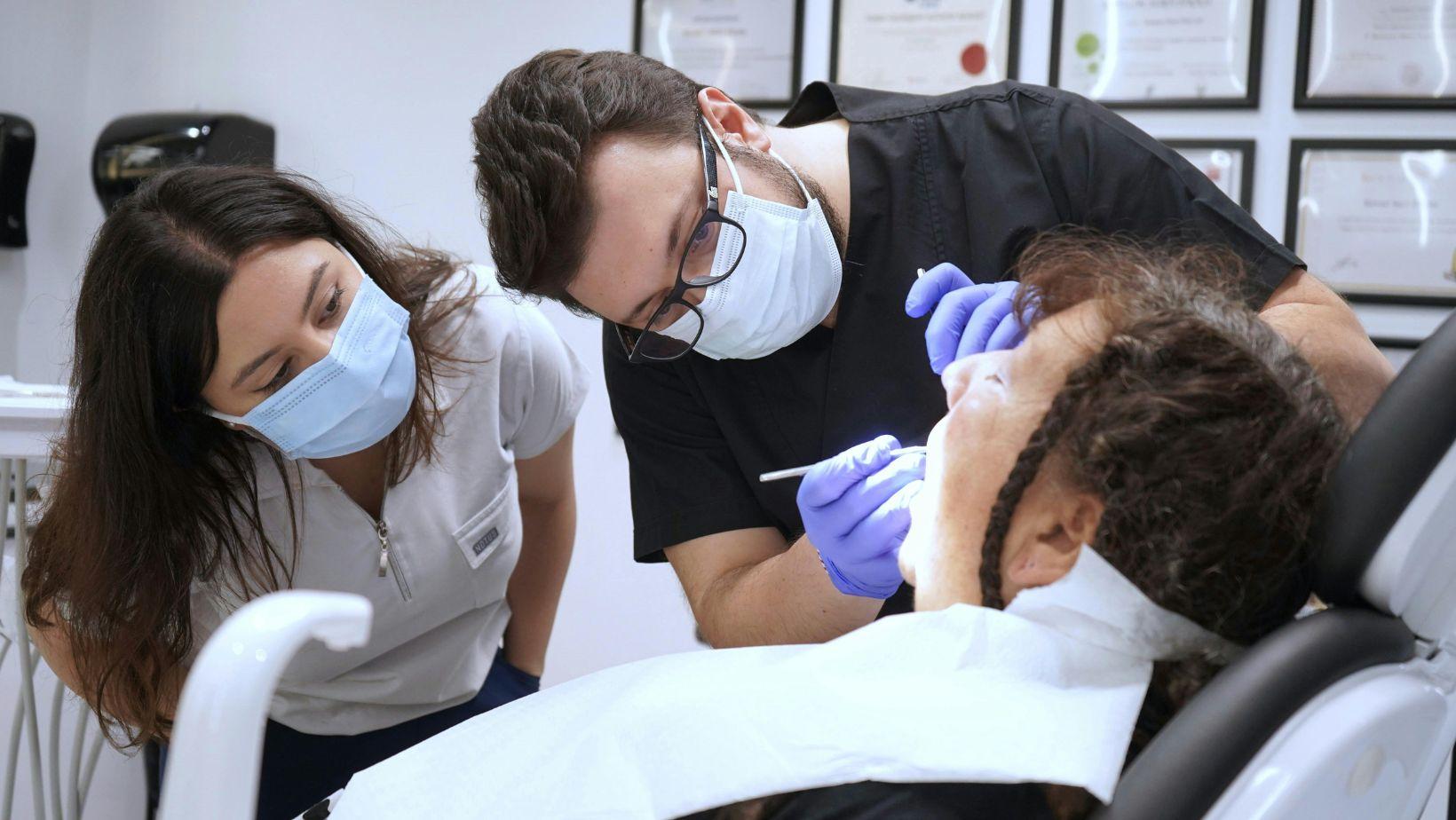
Expect a step-by-step evaluation: your dentist will review your medical and dental history, do a clinical exam, and probably take X-rays or a CBCT scan if implants are on the table.
They’ll check for decay, existing restorations, gum pockets, and bite problems. Intraoral photos and digital scans help plan both aesthetics and function.
For cosmetic cases, you might see a mock-up or try on temporary veneers to get a sense of the outcome before committing. Go over risks, timelines, and alternatives in detail.
Your dentist should walk you through material choices, how long things usually last, and if you’ll need any prep work first. Don’t forget to ask about sedation, recovery, and costs so you know what you’re signing up for.
Long-Term Benefits and Maintenance
Restorative treatments protect your oral function and often stop more serious problems before they start. Fillings, crowns, and implants help you chew, speak clearly, and keep your tooth structure, which lowers your risk of infection or losing more teeth.
Cosmetic procedures change your appearance and can really boost your confidence. Sometimes that extra confidence even motivates you to take better care of your teeth, though veneers and whitening don’t always fix any hidden decay.
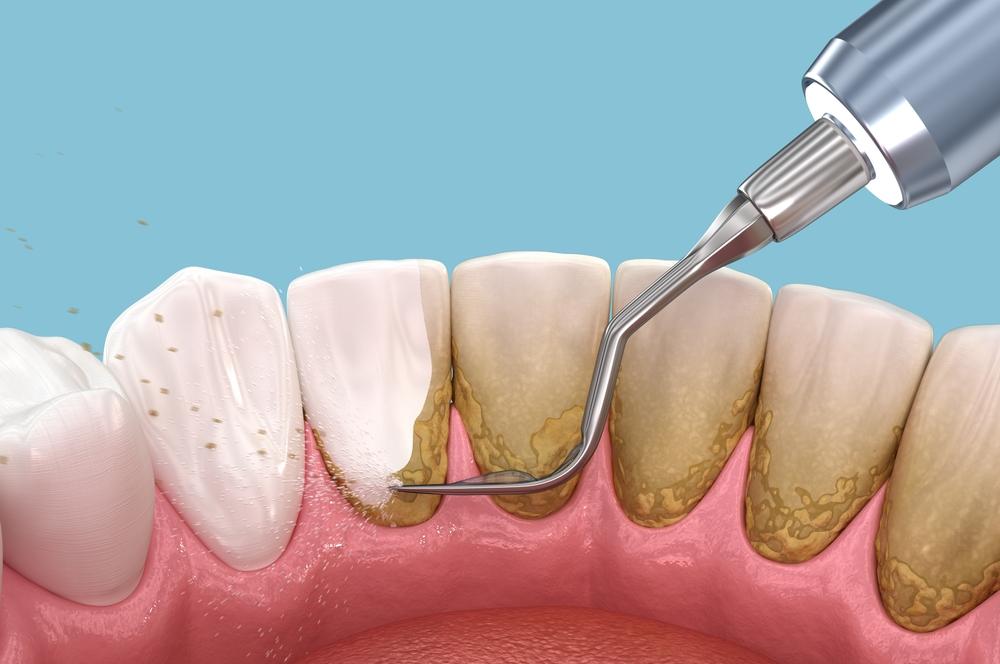
You’ve got to keep up with maintenance if you want your dental work to last and your mouth to stay healthy. Brush twice a day, floss, use fluoride toothpaste, and get professional cleanings every 3–6 months—yeah, your dentist will probably remind you.
Not all treatments last the same amount of time. Implants and good crowns can go strong for many years with solid care, but composite fillings and whitening might need a refresh more often.
Here’s a quick checklist to help you stay on track:
- Daily: brushing, flossing, fluoride toothpaste
- Regular: dental exams and professional cleanings
- Occasional: night guards for grinding, touch-ups for cosmetic work
- When needed: repair or replace failing restorations promptly
Chat with your dentist about what maintenance routine fits you best. They’ll help set up a schedule and suggest materials or habits that’ll keep your teeth working and looking their best.