


Table of Contents
ToggleGum recession happens when your gum tissue pulls away and exposes the tooth root. Multiple forces — biological, behavioral, and environmental — drive it.
Lost gum tissue rarely grows back on its own. You can stop further recession and, in many cases, restore the area with professional treatments like deep cleaning, gum grafts, or newer regenerative procedures.
You’ll learn what causes recession, from genetics and thin tissue to aggressive brushing, bruxism, and periodontal disease. Lifestyle and environmental factors can make it worse, but there are medical and preventive options that actually work—so you’ve got a shot at acting before things get tooth-threatening, especially with the help of an experienced dentist in Plano, Texas who can catch the early signs and put the right plan in place.
Key Biological Factors
Inflammation-driven tissue loss, inherited gum and bone thinness, and hormone fluctuations all change how gum tissue responds to bacteria and mechanical stress. These factors tweak your immune response, collagen integrity, and blood flow, which can tip the scales for whether recession starts or gets worse.
Gum Disease and Inflammation
Plaque builds up and lets nasty bacteria multiply along the gumline. Your immune system jumps in with inflammation, releasing enzymes and chemicals that break down collagen, ligament fibers, and the supporting jawbone.
If inflammation sticks around, the attachment between tooth and gum falls apart and pocketing forms. You might notice bleeding, stubborn bad breath, and deeper pockets when the dentist checks.
Treating infection with professional cleaning, targeted antibiotics or antiseptic rinses, and better oral hygiene can reduce inflammation and slow more recession. Lost attachment doesn’t reliably regrow without surgery, though.
Genetic Predisposition
Genes play a big role in the thickness of your gums, the quality of connective tissue, and how strongly your immune system reacts to bacteria. If you inherit thin gum tissue or a hyperactive immune response, you’re more likely to see recession even with decent oral care.
Family history of severe periodontitis or early tooth loss signals you might be at higher risk. Genetic quirks also affect bone density and tooth position—little things that change how forces act on your gums.
Knowing your family history helps your dentist pick preventive strategies, like more frequent cleanings or gentler brushing techniques. Sometimes, it’s about keeping a closer eye out for early signs of attachment loss.
Hormonal Changes
Hormones mess with blood flow to gum tissue and tweak immune and inflammatory responses. Puberty, pregnancy, menopause, and certain medications can make gums more sensitive and inflamed.
During these times, you might notice exaggerated redness, swelling, or bleeding even if your plaque levels haven’t changed. Estrogen and progesterone shifts also mess with collagen turnover, making tissue less resilient.
Managing hormone-related gum issues means stricter plaque control and more regular professional care during high-risk periods. It’s worth talking to your healthcare provider about medication impacts, too.
Influence of Lifestyle and Oral Care
Your daily habits and routines have a direct impact on gum health. Small changes in brushing, smoking, and diet can really slow down or even prevent more recession.
Oral Hygiene Practices
Brushing technique matters way more than brushing harder. Use a soft-bristled toothbrush and a gentle circular or 45-degree angle; scrubbing back and forth just wears away tissue and exposes roots.
Swap out your brush every 3 months. An electric toothbrush with a pressure sensor can help stop you from brushing too hard.
Floss every day to get rid of plaque from the sulcus—plaque left at the gumline causes inflammation that pulls tissue away. If you’ve had periodontal disease before, schedule professional cleanings every 3–4 months instead of waiting for the usual 6.
If you already have tooth sensitivity or recession, ask your dentist about desensitizing toothpaste, topical fluoride, or a protective varnish. These don’t regrow lost gum, but they help with symptoms and protect exposed roots while you tackle the main causes.
Tobacco and Substance Use
Smoking and chewing tobacco crank up your risk of gum recession and periodontal disease. Tobacco cuts down blood flow to the gums, weakens your immune response, and makes healing harder after inflammation or trauma.
E-cigarettes and vaping still deliver nicotine and other irritants that can mess with gum tissue repair. If you use tobacco or nicotine, quitting lowers inflammation and improves how your gums respond to treatment.
Cut back on alcohol and recreational drugs that dry the mouth or mess with your immune system. Less saliva means more plaque and faster tissue breakdown at the gumline.
Impact of Diet and Nutrition
A diet full of refined sugars and frequent snacking feeds the bacteria that cause gingivitis and, eventually, recession. Cut back on sugary foods and acidic drinks; rinse with water after eating them to reduce acid hitting those exposed roots.
Focus on nutrients that help connective tissue and healing: vitamin C (think citrus and peppers), vitamin D and calcium (dairy or fortified plant milks), and omega-3s (fatty fish, flaxseed). Not getting enough vitamin C can make gum detachment worse.
Stay hydrated to keep saliva flowing—saliva helps neutralize acids and wash away bacteria. If you follow a restrictive diet, check with your dentist or doctor about supplements so you don’t miss out on nutrients that keep gums healthy.
Medical and Environmental Contributors
Some medical conditions, medications, and outside exposures can thin your gum tissue, reduce blood flow, or ramp up inflammation. If you can tackle these, you’ll have a better shot at keeping recession at bay.
Underlying Health Conditions
Systemic inflammatory diseases like diabetes and autoimmune disorders make gum recession more likely by slowing healing and ramping up inflammation. Poorly controlled blood sugar in diabetes feeds bacteria and makes it harder for gums to bounce back after infection or injury.
Hormonal changes—pregnancy, menopause, puberty—can mess with blood flow and tissue sensitivity in your mouth. You might see gums that bleed more or recede faster during these times.
Genetic factors count, too: thin gums and inherited connective tissue quirks mean your roots can get exposed with even small irritations.
Regular medical care and teamwork between your dentist and doctor help manage these risks. Keeping blood sugar in check, treating autoimmune flare-ups, and monitoring hormone-related changes can all slow down recession.
Side Effects of Medications
Certain medications can lead to gum problems that drive recession. Antihypertensives, calcium channel blockers, anticonvulsants, and some immunosuppressants can cause gum overgrowth or change how your gums react, which affects how you clean around them.
Drugs that dry out your mouth—like many antidepressants, antihistamines, and opioids—cut down on saliva’s protective effects. Less saliva means more plaque and higher risk of recession. Long-term steroids can also weaken connective tissue and slow healing.
If you think a medication is messing with your gums, talk to your prescriber before making any changes. Your dentist might suggest alternative meds, adjust your hygiene routine, or offer treatments like saliva substitutes and more frequent cleanings.
Environmental Stressors
Tobacco use really increases your risk of gum recession. Smoking and chewing tobacco limit blood flow, weaken your immune response, and make healing tougher after infection or trauma.
Mechanical trauma from hard brushing, stiff-bristled brushes, or frequent toothpicks can wear away gum tissue over time. Grinding and clenching your teeth (bruxism) put too much force on your gums and supporting bone. Poorly fitted dental work or crooked teeth focus pressure in the wrong places, speeding up localized recession.
To cut your risk, quit tobacco, switch to a soft toothbrush with gentle technique, and treat bruxism with a nightguard or dental adjustment. Fix any dental work that doesn’t fit right. Regular dental checkups help you catch stress-related recession before it gets worse.
Modern Treatment and Preventive Approaches
You can stop more gum loss, reduce sensitivity, and often restore tissue with the right professional care, smart home routines, and long-term risk management. There’s no one-size-fits-all, but there’s always something you can do to protect your teeth and gums.
Professional Dental Interventions
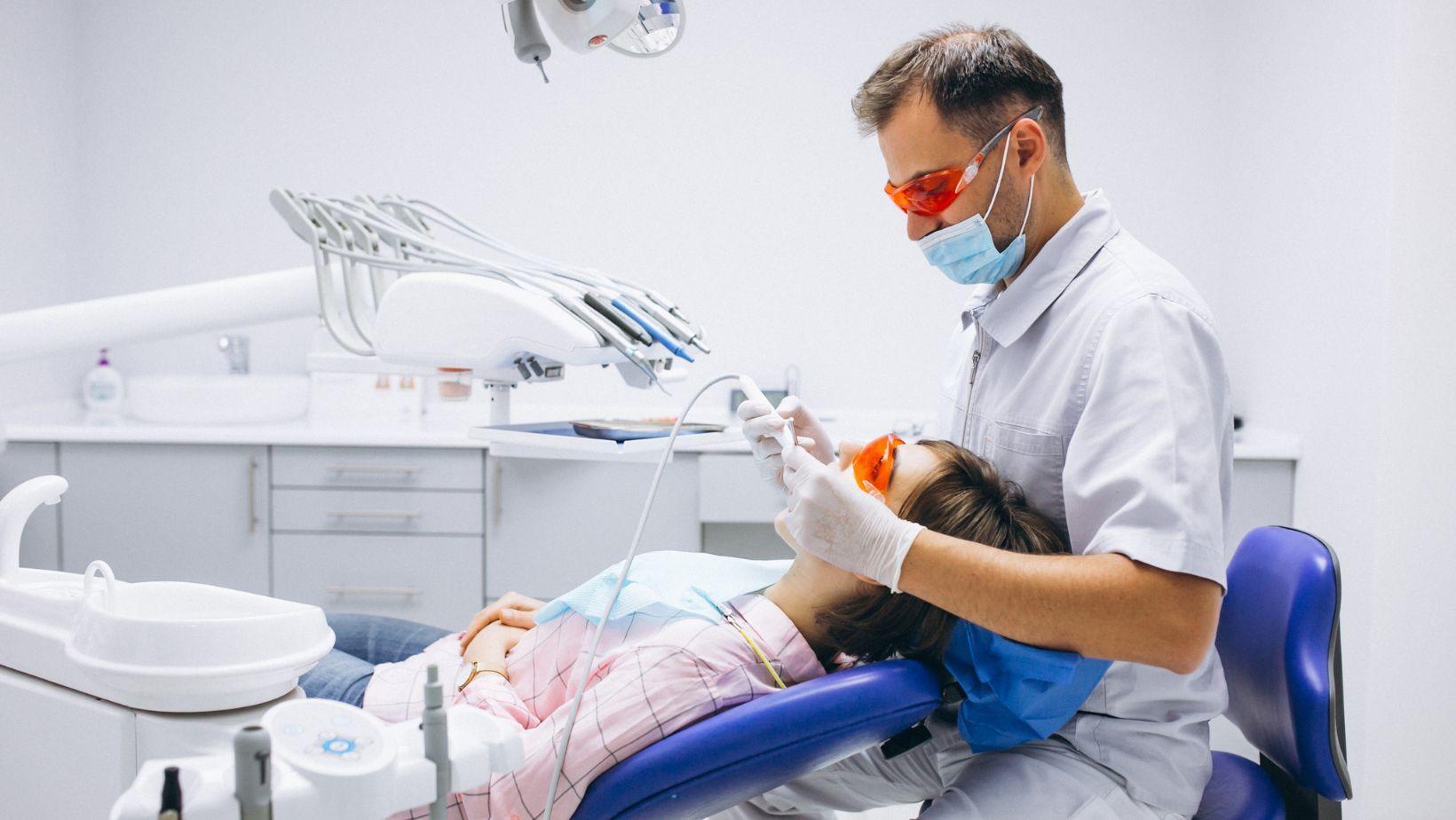
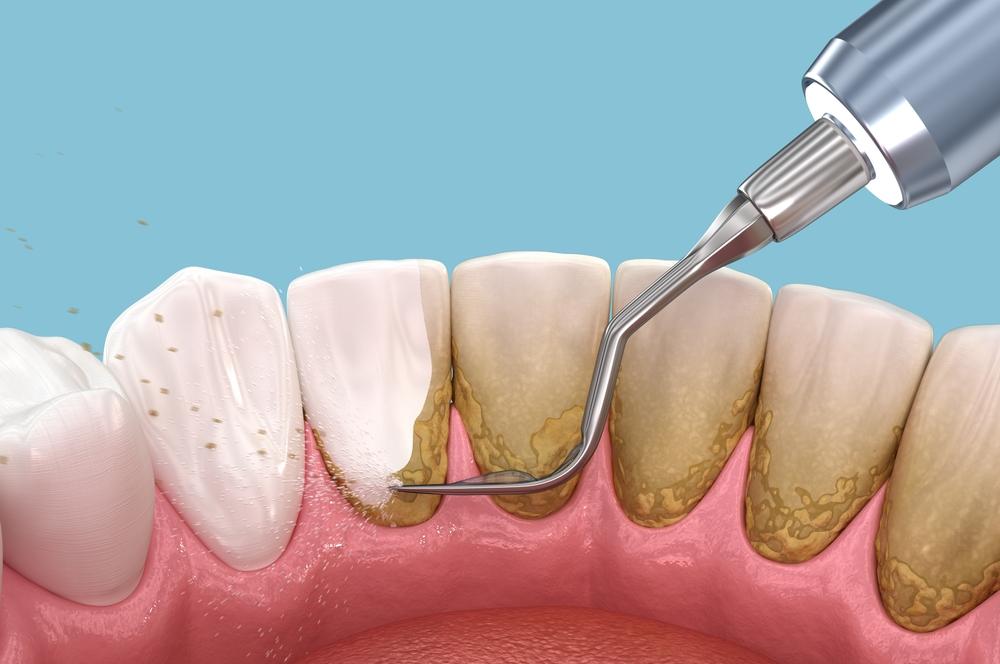
Your dentist will start with a thorough exam and chart pocket depths and attachment loss. Expect professional cleaning (scaling and root planing) to clear out plaque and tartar below the gumline—this cuts down bacteria and inflammation.
If pockets hang around or you’ve lost a lot of tissue, your dentist may suggest surgery: flap surgery to reach deep deposits, guided tissue regeneration to help bone and gum regrow, or connective tissue grafts to cover exposed roots. They might use antibiotics or antimicrobial gels to control infection.
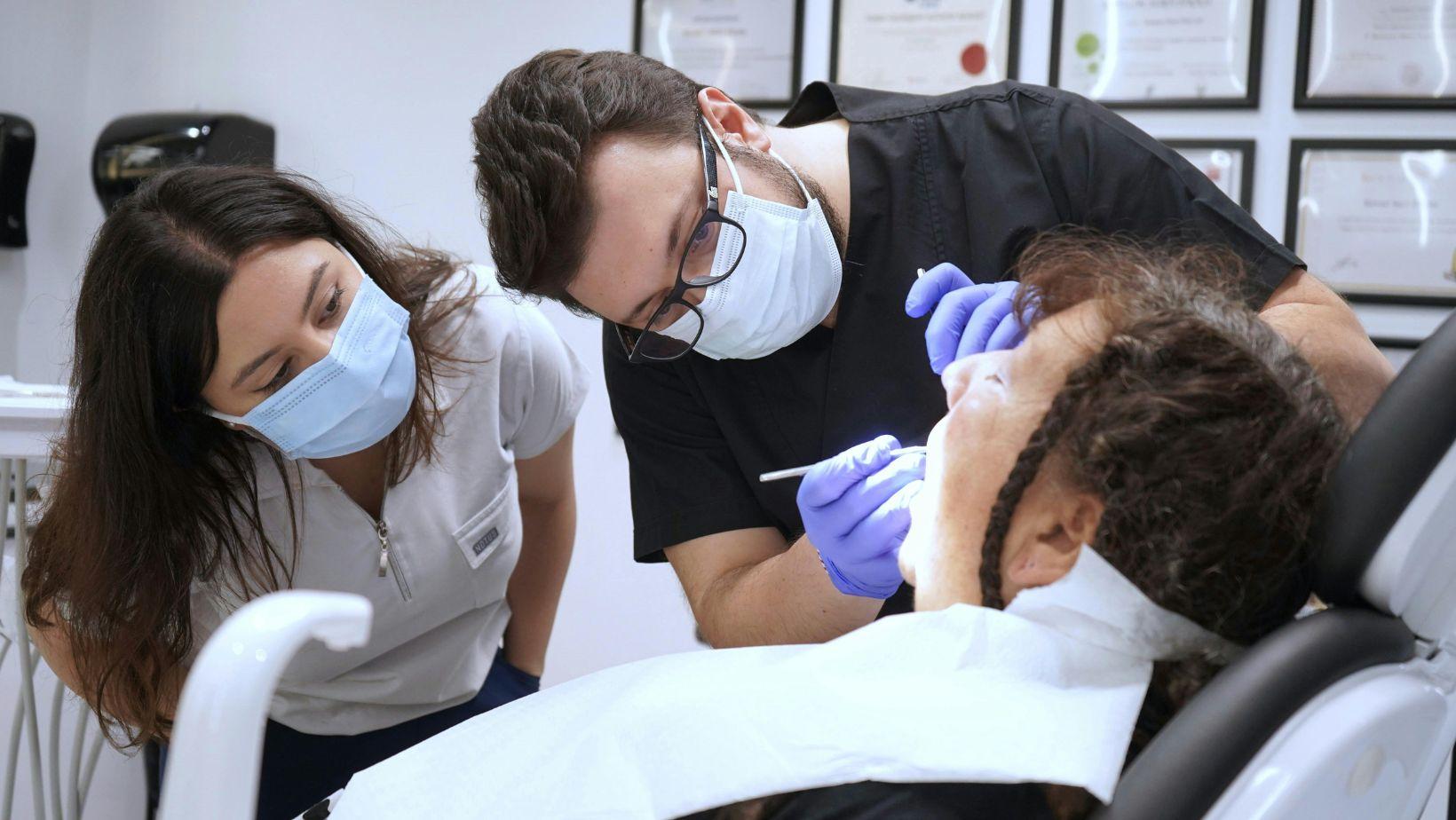
For complex cases, see a periodontist. Don’t be shy about asking what to expect, how long recovery takes, or what it might cost.
At-Home Care Strategies
Brush gently with a soft-bristled brush or an electric brush set to low or medium—don’t go overboard and damage your gums. Use a fluoridated toothpaste for sensitive roots and clean between teeth daily with floss or a water flosser.
Rinse with an antimicrobial mouthwash if your dentist recommends it. If you smoke, quitting really helps your gums heal and stops recession from getting worse.
Manage grinding or clenching with a custom night guard. Keep up with dental visits every 3–6 months, depending on what your provider suggests. And don’t forget, small changes at home can make a big difference over time.
Long-Term Prevention Methods
Figure out what puts you at risk, and take steps to control those factors. Change up your brushing technique if needed, and ditch those hard-bristled brushes.
It helps to book regular check-ins with your dental hygienist. That way, you can make sure your technique stays on track.
Keep plaque at bay by brushing twice a day, every day. Don’t skip daily cleaning between your teeth—it really does help stop new periodontal pockets from forming.
If you’re dealing with issues like diabetes or nutrition problems, talk things over with your doctor. These health factors can play a bigger role than people realize.
Cut back on tobacco and try to limit alcohol. Not easy, but it’s worth it.
If you’ve had grafting or surgery, stick to the maintenance schedule your periodontist recommends. Sometimes that means more frequent cleanings, but it’s key to protecting your results.