

Table of Contents
ToggleIf your implant doesn’t fuse with bone, it’ll probably feel loose, hurt, or even get infected. You’ll need quick care to protect nearby bone and gum tissue.
When osseointegration fails, your dentist usually removes the implant, treats any infection or bone loss, and waits for the site to heal before thinking about a replacement.
You’ll want to know how to spot early trouble, what tends to cause these problems, and which treatments—like removal, bone grafting, or re-implantation—might actually give you the best shot at long-term success. If you’re navigating this process or considering your options from the start, connecting with a specialist for a tooth implant in Sparta, WI can help you move forward with a plan you feel confident about.
Signs Of Implant Failure
You might notice pain, movement, or swelling early on. X-rays and changes in the tissue can help confirm the problem and guide what happens next.
Symptoms Occurring During Early Healing
If your implant doesn’t fuse in the first few weeks or months, you’ll probably feel it. Pain that sticks around or gets worse after about two weeks isn’t a good sign.
Swelling and redness that don’t go away with meds, or come back after getting better, could mean infection or poor integration. A loose or wobbly implant is a big red flag—if you feel movement when you press the crown or bite, that’s not normal.
Bleeding that keeps coming back, a bad taste, or pus draining from the site all point to infection (peri-implantitis) that can block healing. If you get a fever or just feel lousy, it’s less common but needs quick attention.
Indicators Seen in X-Rays
X-rays can show problems before you feel much. If you see a dark margin around the implant in an x-ray, that often means bone loss or failure of bone to stick to the implant.
Watching for bone loss over time with a series of x-rays is more helpful than just one picture. If you see less bone-to-implant contact or new gaps by the threads, that’s a serious warning.
Physical Changes at the Implant Site
Check the gums and the prosthesis for clues. Receding gums, chronic redness, or a stubborn sore over the implant aren’t good news.
If the abutment moves, screws get loose, or the crown comes off during normal use, the implant probably didn’t fuse. You might notice your bite feels off or it’s just hard to chew on that side.
A bad smell or constant discharge from the gum line usually means bacteria have moved in and started damaging the bone.
Causes Of Implant Integration Issues
Several things can stop a dental implant from fusing to bone. Local bone problems, surgical mistakes, health conditions, and patient habits all play a role.
Each factor affects healing differently, so your dentist will tailor the fix to what’s actually going on.
Poor Bone Quality or Quantity
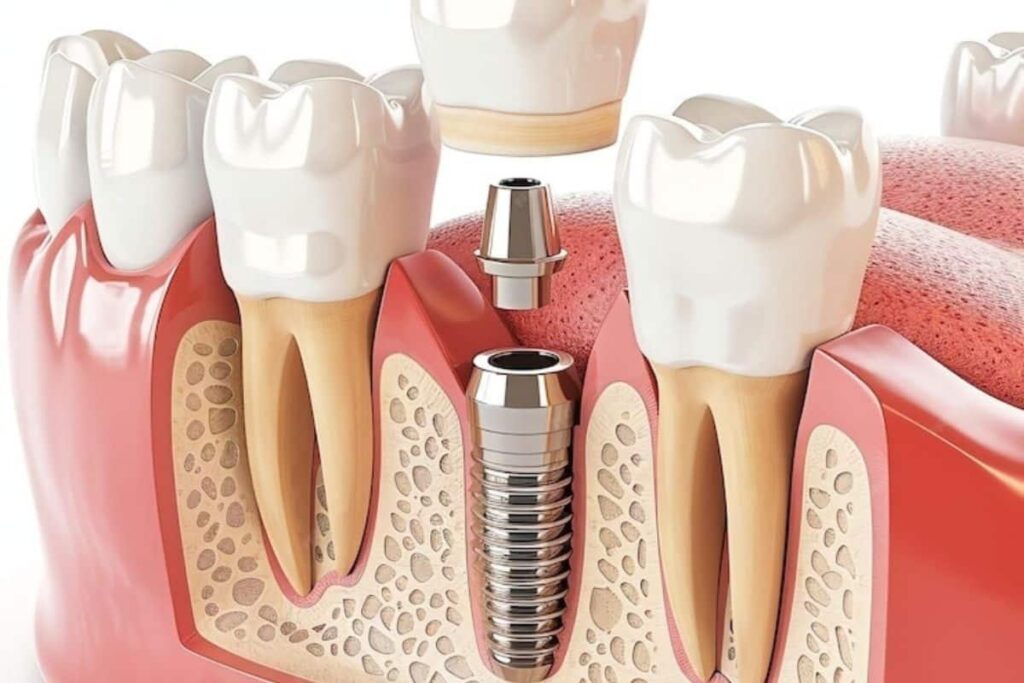
If your jaw doesn’t have enough bone or it’s too soft, the implant won’t have the stability it needs for bone to grow onto it. Thin ridges or short bone height make it easier for the implant to move, which blocks healing.
Losing teeth, wearing dentures for years, gum disease, or bone loss after extractions often leave you with less bone. Your dentist will check with x-rays or scans and might suggest bone grafting, ridge work, or using a bigger implant before trying again.
Surgical Technique Errors
Mistakes during planning or placement can wreck initial stability or the healing environment. Things like wrong angulation, overheating the bone while drilling, over-prepping the hole, or putting an implant into infected tissue all raise the odds of failure.
If the implant moves too much, gets contaminated, or isn’t in the right spot, it’s a problem. You should expect your surgeon to plan carefully, keep things sterile, and check torque and depth during surgery.
Medical Conditions Impacting Healing
Some health issues and meds slow down or block new bone from forming. Uncontrolled diabetes, bad osteoporosis, immune problems, or poor blood flow can all make healing harder.
Medications like bisphosphonates or high-dose steroids mess with bone turnover. Your dentist will go over your medical history and might delay the implant, work with your doctor, or change the plan if your risks are high.
Lifestyle Factors and Patient Habits
Your habits really matter. Smoking cuts blood flow, weakens your immune system, and ups infection risk.
Heavy drinking slows bone growth and healing. Grinding your teeth (bruxism) puts too much force on a new implant and can keep it from fusing.
Bad oral hygiene makes infection more likely. Quitting smoking, cutting back on alcohol, wearing a nightguard, and keeping your mouth clean all help your odds.
Treatment Options For Failed Implant Integration
Sometimes you can fix a non-integrating implant without surgery, but often you’ll need to remove it and rebuild the site. The main goals: clear up infection, restore bone, and set up a stable spot for a future implant or something else.
Non-Surgical Intervention Approaches
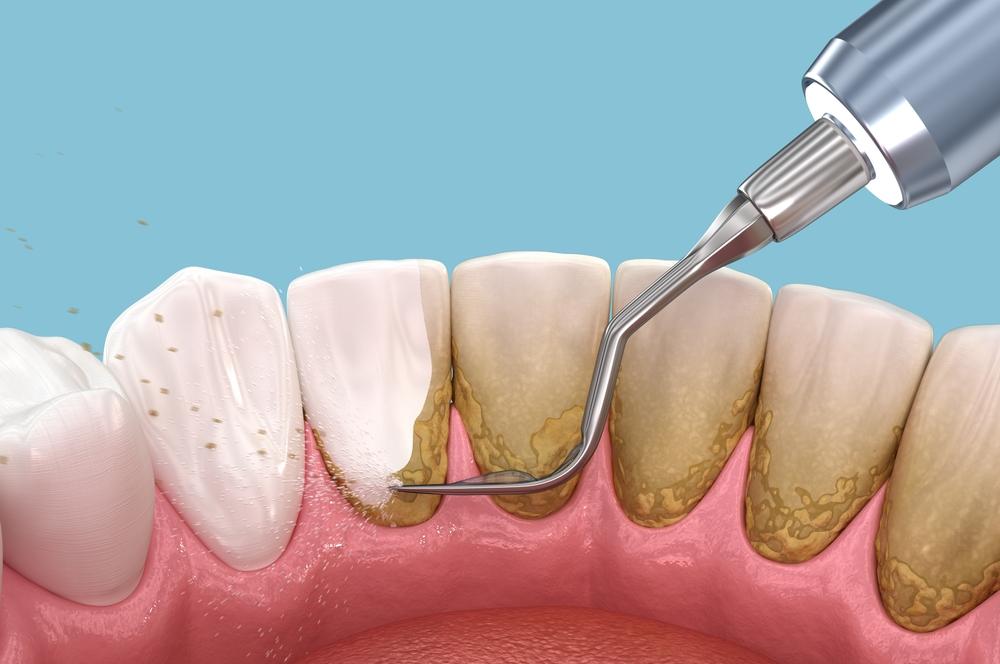
If the implant is just a little loose or painful but there’s not much bone loss, your dentist will try conservative steps first. They’ll clean the implant surface, maybe use antiseptics or topical antibiotics, and try to lower the bacterial load.
If there’s a bigger infection, you’ll probably get antibiotics. Lightening the bite on that tooth—like removing the crown—can stop tiny movements that block healing.
You’ll need regular x-rays and check-ups for a few weeks to see if things turn around.
Implant Removal and Site Management
If the implant is really loose, the bone keeps disappearing, or infection won’t clear, it’s got to come out. The surgeon will try to remove it gently to save as much bone as possible.
After removal, they’ll clean out the socket and flush away any bad tissue. If there’s infection, you’ll get antibiotics and a break (usually 6–12 weeks) before rebuilding the area.
In the meantime, you might wear a temporary denture or bridge to keep things looking and working okay.
Bone Grafting Solutions
Bone grafting helps rebuild lost bone so you can try again later or support another prosthesis. Your dentist will pick the graft material based on how much bone you need—your own bone for big jobs, donor or animal bone for medium ones, and synthetic stuff for smaller repairs.
They might use a membrane to guide bone growth or a block graft for bigger vertical gaps. Healing takes anywhere from three to six months for most cases, sometimes longer for big repairs.
They’ll use follow-up x-rays to make sure there’s enough bone before putting in a new implant or restoring the spot.
Prevention And Long-Term Outcomes
You can lower your chances of implant failure by fixing bone issues, managing your health, and making sure the surgery is well planned. After placement, keeping your mouth clean, quitting smoking, and showing up for check-ups all matter for long-term success.
Pre-Operative Planning Measures
Get a CBCT scan to check bone volume and density. That helps the surgeon pick the right implant size and plan for any grafting.
If you don’t have enough bone, expect a staged approach: bone graft or sinus lift, then a few months of healing before the implant.
Review your health history and get medical issues—like diabetes—under control. If you’re on certain meds, your dentist might talk to your doctor about pausing them.
Treat any gum disease first. If you smoke, quitting a few weeks before surgery can really help.
Choose a dentist who’s experienced with your situation, and ask about using a digital surgical guide if it makes sense. Double-check the implant brand and surface—some types work better for tricky bone situations.
Post-Operative Care Recommendations
Take your antibiotics and pain meds exactly as your dentist tells you. This helps cut down the chance of infection.
Stick to a soft diet for at least 2 to 6 weeks. Try not to bite right on the implant while it’s settling in.
Be thorough with your oral hygiene. Brush twice a day using a soft brush.
Get in there around the implant with special floss or tiny brushes made for implants. If your dentist suggests an antimicrobial rinse, use it.
Show up for your follow-up appointments at 1–2 weeks, then at 3 months, and once a year after that. At each visit, your clinician will check for any movement, measure your gums, and snap a quick X-ray to see how the bone’s doing.
Quit smoking—at least for now—and go easy on the alcohol. Both can slow down healing, and nobody wants that.
If you notice swelling, pain that won’t quit, pus, or if the implant feels loose, don’t wait around. Call your dentist right away so they can step in early.