



Table of Contents
ToggleBad breath isn’t always about what you ate or forgot to brush off your tongue. Sometimes it starts where you can’t see—below the gumline—because bacteria hide in pockets and churn out foul gases.
When bacteria and trapped debris settle under your gums, they create persistent odors that regular brushing can’t touch. Subgingival infection is a sneaky, common cause of chronic halitosis.
Let’s dig into why periodontal disease and bad breath go hand in hand. What lets bacteria thrive in those hidden pockets? How do clinicians figure out when odor starts beneath the gumline?
You’ll get practical explanations of the tests, deep-cleaning treatments, and daily habits that actually stop the stink at its source—and if misaligned teeth are making those hard-to-reach spots even harder to clean, an orthodontist in Columbia, TN can help straighten things out and make your oral hygiene routine a whole lot more effective.
Link Between Periodontal Disease and Oral Malodor
Bacteria under the gumline, the gases they make, and shifting pocket depths drive most cases of bad breath tied to gum disease. Knowing which microbes are lurking, how they create those nasty smells, and how infection gets worse helps you target the real problem.
Role of Bacteria Beneath the Gumline
Anaerobic, gram-negative bacteria love the low-oxygen world beneath your gums. Species like Porphyromonas gingivalis, Treponema denticola, and Fusobacterium nucleatum feast on blood and tissue breakdown products you can’t get rid of with brushing alone.
These bacteria form sticky biofilms on root surfaces and inside periodontal pockets. Biofilms act like shields, making it tough for saliva and some mouthwashes to reach the bugs, so mechanical removal—scaling and root planing—becomes crucial to knock down their numbers and the odors they cause.
Formation of Volatile Sulfur Compounds
When subgingival bacteria digest sulfur-containing amino acids from saliva, gingival fluid, and inflamed tissue, they pump out volatile sulfur compounds (VSCs) like hydrogen sulfide and methyl mercaptan. These gases have ridiculously low odor thresholds, so you notice them fast—think rotten eggs or cabbage.
Methyl mercaptan links closely to tissue destruction and disease progression. Hydrogen sulfide shows up when plaque builds up. If you measure VSCs, you can often tell if halitosis comes from below the gums or somewhere else in your mouth.
Progression From Mild to Severe Gum Infections
Gingivitis starts with simple plaque irritation and reversible gum inflammation. If you leave plaque and calculus alone, pockets get deeper and anaerobic bacteria take over, shifting the balance to nastier, VSC-producing species.
As those pockets deepen, you get more bleeding, tissue breakdown, and stubborn odor that mouthwashes just can’t hide. Professional periodontal therapy knocks down pocket depth and biofilm load. Without it, infection can progress to periodontitis, leading to chronic bad breath and bigger risks for your teeth.
Contributing Factors Below the Gumline
Bacteria, trapped food, and hardened deposits under your gumline create a perfect, low-oxygen zone for odor-producing microbes. Each of these three factors helps bacteria grow, fuels inflammation, and keeps those volatile sulfur compounds coming.
Impacted Food and Debris Accumulation
Food particles and cell debris wedge between teeth and under the gum margin, especially where flossing doesn’t reach. When that stuff stays stuck, bacteria break it down and release foul-smelling gases. This gets worse if you have crowded teeth, bad dental work, or gaps around fillings.
You might not feel pain, but small pockets of trapped debris feed anaerobic bacteria. Those bugs crank out VSCs like hydrogen sulfide and methyl mercaptan. They also irritate your gums, causing more bleeding and opening up more places for gunk to collect.
Try targeted flossing or interdental brushes, check for bad restorations, and see your dentist for routine cleanings to get rid of stubborn debris.
Deep Periodontal Pockets
Periodontal pockets show up when gum tissue pulls away from the tooth, making deeper spaces that brushing can’t reach. Pockets deeper than 4 mm are bad news—they reliably harbor anaerobic bacteria and biofilm that cause chronic halitosis.
As pockets get deeper, oxygen drops and bacteria shift toward species that make stronger VSCs. You might notice your breath stays bad, your gums bleed when probed, or you have a nasty taste even after brushing.
Your dentist or hygienist will measure pocket depth and might suggest scaling and root planing, localized antimicrobials, or even periodontal surgery if the pockets don’t respond to basic care.
Tartar Build-Up and Its Effects
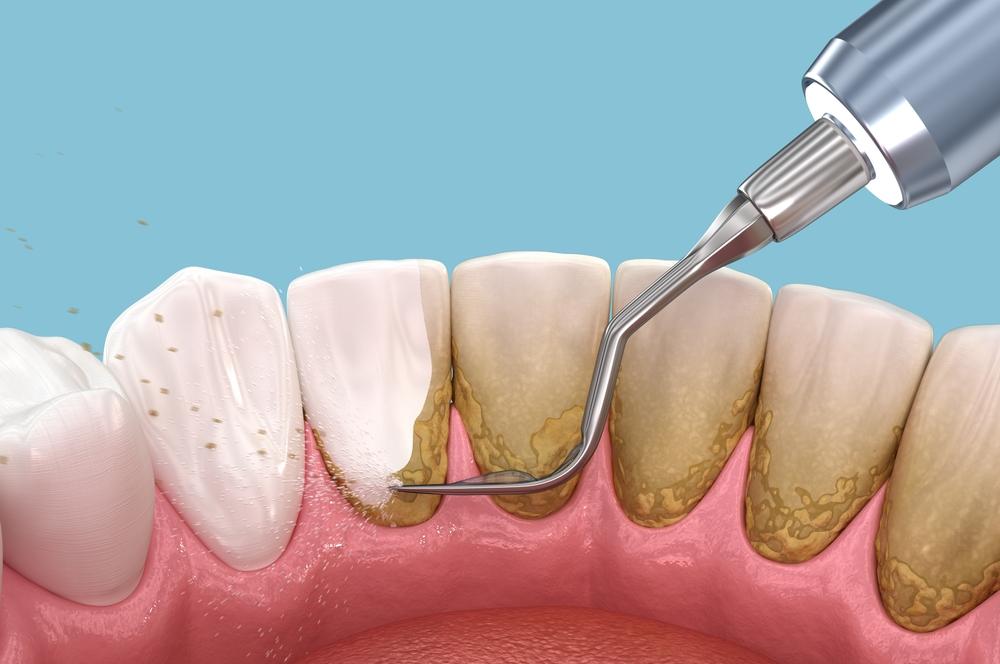
Tartar (calculus) forms when minerals harden onto plaque, creating a rough surface that traps even more bacteria and debris. Below the gumline, tartar anchors biofilm and keeps the area chronically full of odor-producing microbes.
Tartar also scrapes and irritates the gums, fueling inflammation and pocket formation. Inflamed tissue bleeds more, which gives bacteria more protein to turn into stinky compounds.
Only professional scaling removes tartar below the gumline. Afterward, regular brushing, flossing, and cleanings help keep it from coming back and reduce the bacteria that cause bad breath.
Diagnosis and Evaluation of Subgingival Halitosis
You need a focused evaluation to figure out if bacteria and debris below the gumline are causing your stubborn bad breath. The most useful steps mix targeted questions, a close oral exam, and tests that spot volatile sulfur compounds and gum infection.
Clinical Methods for Identifying Source
Start with a quick, focused history: when is your breath worst? Do others notice? Does it improve after brushing? Ask about dry mouth, smoking, recent dental work, and health issues that can mimic oral odor.
During the oral exam, pay close attention to the tongue and gums. Look for thick plaque, visible food stuck between teeth, deep pockets, pus, and tongue coating. Measure pocket depths at six spots per tooth and note any bleeding—pockets 4 mm or deeper should raise suspicion for subgingival odor.
Try simple chairside tricks: have the patient rinse, then check odor after tongue scraping and after probing the pockets. If the smell sticks around after tongue cleaning but fades with pocket cleaning, the source is probably below the gumline.
Diagnostic Tools and Technologies
Use portable sulfide monitors (halimeters) to measure VSCs. These devices give you objective, repeatable numbers you can track before and after treatment. Just know they mostly pick up sulfides and might miss other smelly molecules.
Consider organoleptic scoring—a fancy way of saying a trained examiner rates breath on a set scale. Combine this with VSC numbers for better accuracy than either alone.
For more detail, microbiological tests from subgingival plaque or tongue swabs can spot periodontal pathogens like Porphyromonas gingivalis. PCR-based tests or cultures help if you’re considering targeted antibiotics. Imaging—bitewing or periapical X-rays—shows bone loss, backing up a periodontal diagnosis.
Collaboration With Dental Professionals
If you aren’t a dentist, refer right away if you see deep pockets, bleeding on probing, or bone loss on X-rays. Share your findings: pocket chart, VSC readings, organoleptic scores, and any systemic symptoms. This info helps speed up diagnosis and treatment.
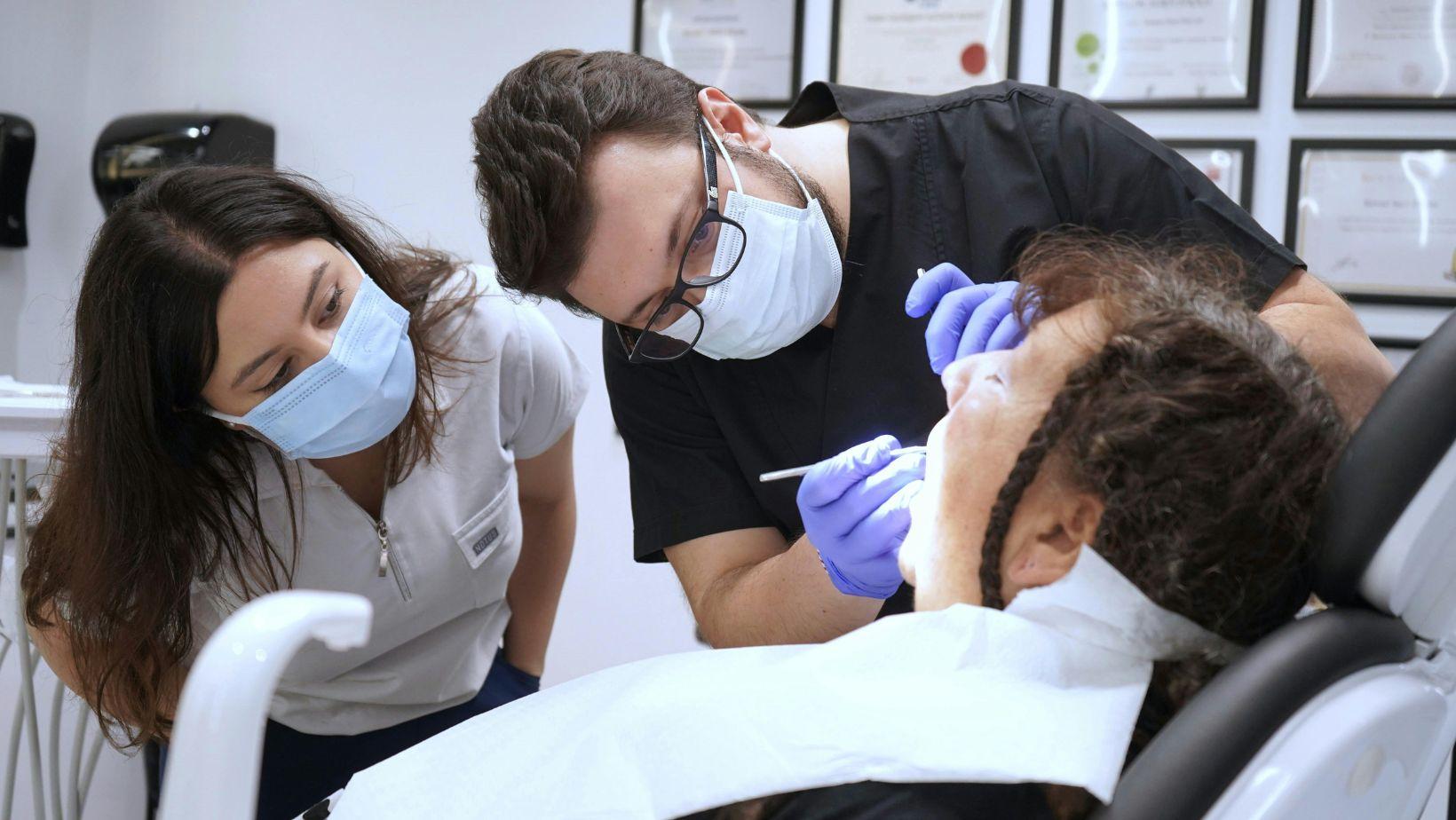
Periodontal specialists handle scaling and root planing, pocket cleaning, and, if needed, surgical therapy. Stick with the dental team for follow-up—repeat VSC tests and pocket checks to make sure the odor is actually going away. If dry mouth is part of the problem, work with your dental team on saliva-boosting strategies or medical management.
Treatment and Prevention Strategies
Tackle the bacterial reservoirs below your gumline and keep your mouth moist to cut down on recurring odor. Blend professional care, solid home habits, and regular checkups to keep bacteria from taking over those pockets again.
Professional Cleaning and Scaling
Scaling and root planing clear out tartar and biofilm from below the gumline—places your toothbrush and mouthwash just can’t reach. Expect local anesthesia so you’re comfortable during deeper cleaning. Your dentist or hygienist will use hand tools or ultrasonic scalers to clean pocket walls and smooth root surfaces, helping tissue reattach.
If pockets are deep (usually 5 mm or more) or bleeding won’t quit, your dentist may suggest periodontal maintenance every 3 months instead of the usual six. Sometimes, local antibiotic gels, systemic antibiotics, or laser therapy get added to cleaning to knock down bacteria further. Follow post-procedure instructions closely: avoid smoking, brush gently, and use any prescribed rinses or meds to help healing.
At-Home Oral Hygiene Recommendations
Clean your tongue daily with a scraper or the back of your toothbrush to get rid of the bacterial coating that causes bad smells. Brush twice a day with fluoride toothpaste and use floss or interdental brushes daily to disrupt bacteria below the gumline.
Use an alcohol-free antimicrobial mouthwash (chlorhexidine short-term or essential-oil rinse for regular use) if your clinician suggests it. Stay hydrated and chew sugar-free gum if your mouth feels dry. Try to avoid tobacco and cut back on high-protein, odor-heavy foods if halitosis is a problem. Swap out your toothbrush every 3 months or after gum treatment to avoid bringing old bacteria back into your mouth.
Importance of Regular Dental Checkups
When you visit the dentist regularly, they can keep an eye on pocket depth, tartar buildup, and early signs of gum disease—way before bad breath becomes a constant problem.
Your dentist will measure probing depths and look for bleeding when they probe your gums. Sometimes, they’ll take X-rays to see if you’ve lost bone, which can make those deep gum pockets stick around.
If you’ve had periodontitis before, plan on periodontal maintenance every 3–4 months. Otherwise, every 6 months is usually fine.
Bring along a list of your medications and mention any issues like dry mouth or stubborn bad breath. That way, your provider can dig a little deeper, maybe even talk to your physician if something outside your mouth is causing trouble.