

Table of Contents
ToggleYou might think a deep cleaning is just a supercharged version of your routine visit. But actually, they tackle different issues and use different approaches to protect your mouth long-term.
A regular cleaning clears away surface plaque and tartar to stop decay and gum inflammation. A deep cleaning, though, goes under the gumline to treat active gum disease and prevent tissue damage. It’s worth knowing the difference—makes it easier to choose the right treatment and follow-up.
Expect the experience to vary: tools, timing, even recovery can look pretty different. Your dentist will suggest a maintenance schedule based on whether you need disease control or just routine prevention—and once your gum health is back on track, exploring teeth whitening in Las Vegas is a great next step toward a smile that’s both healthy and bright.
Understanding Professional Dental Cleaning Methods
Professional cleanings get rid of plaque and tartar, keep your gums healthy, and sometimes go deeper to fight infections below the gumline. Routine cleanings and deep cleanings have different goals and techniques.
Routine Dental Cleaning Explained
A routine cleaning (prophylaxis) clears away plaque and tartar above and just at the gumline. Hygienists use scalers, ultrasonic devices, and polishing paste.
They’ll check for cavities, measure pocket depths, and scrub off surface stains to cut your risk of decay and gingivitis.
These visits usually last 30–60 minutes and happen every six months for most adults. If your gums are healthy—pocket depths at 3 mm or less and barely any bleeding—routine cleanings keep things in check.
Expect a quick assessment. Digital X-rays only if needed, maybe a fluoride or sealant suggestion if you’re at risk, and some tailored hygiene tips. You’ll walk out with smooth teeth and a few things to work on at home.
The Science Behind Deep Cleaning Procedures
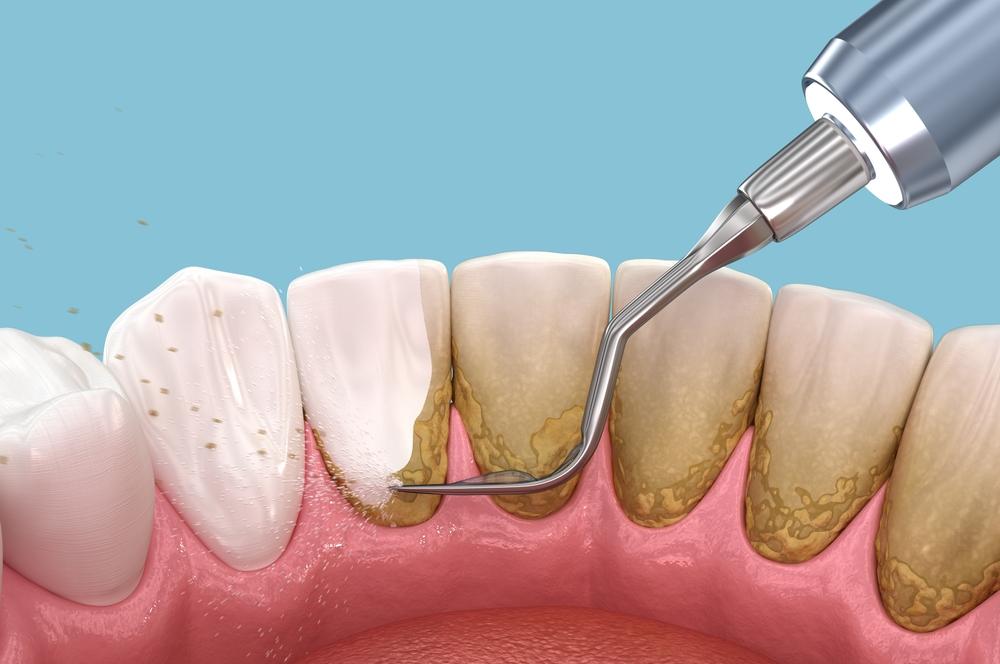
Deep cleaning (scaling and root planing) goes after plaque and hard calculus below the gumline and on the root surfaces. Providers look for deeper pocket depths (usually 4 mm or more) and use special tools to break up the bacterial biofilm that fuels inflammation.
After scaling, they smooth the root surface to help gums reattach and keep bacteria from coming back so easily. Sometimes they’ll use local antimicrobials or prescribe antibiotics if there’s a lot of infection.
Deep cleanings are often done one section at a time over several appointments. You might feel some tenderness, sensitivity, or a bit of bleeding. Maintenance every 3–4 months helps prevent things from flaring up again.
Who Needs Deep Versus Routine Care
If your periodontal chart shows shallow pockets (3 mm or less), almost no bleeding, and no bone loss on X-rays, you’re probably fine with routine care. That’s all about prevention and early detection—great for healthy adults and folks keeping risk factors in check.
If your exam finds pocket depths of 4 mm or more, ongoing bleeding, pus, or bone loss on X-rays, you need a deep cleaning. That’s a key piece of treating periodontitis, and you’ll likely need more frequent follow-up visits.
Things like smoking, diabetes, poor oral hygiene, or a history of gum disease can push you toward needing deep care. Dentists use probing scores, X-rays, and signs of infection to make the call.
Comparing Treatment Processes and Techniques
You’ll notice real differences in the tools, timing, and how the team handles discomfort. The steps and equipment depend on whether your gums are healthy or showing signs of disease.
Tools and Technologies Used
For regular cleanings, hygienists use manual scalers, ultrasonic scalers, and polishers to get rid of plaque and tartar above the gumline. Those ultrasonic scalers buzz away deposits and spray water to flush out debris. Hand scalers handle the tight spots.
A polishing cup with gritty paste smooths the enamel and wipes away surface stains.
Deep cleanings use similar ultrasonic and hand instruments, but they go below the gumline to clean the root surfaces. Clinicians might grab specialized curettes with longer shanks for better access.
You might see extra tools: periodontal probes to measure pockets, antimicrobial rinses, and sometimes lasers to zap bacteria and help healing. Providers keep track of pocket depths before and after to see how things are going.
Duration and Frequency of Visits
A regular cleaning takes about 30–60 minutes and usually happens every six months. If you’ve got heavy staining or tricky spots, you might be there closer to an hour. Your dentist could tweak the schedule based on how well you’re keeping plaque and gum issues in check.
Deep cleanings take longer and need more appointments. Each section (quadrant) of your mouth can take 45–90 minutes. Most folks do two or four sessions, spaced out over a week or two.
After root planing, you’ll probably have maintenance cleanings every three or four months to keep an eye on pocket depths and stop things from getting worse. Healing and follow-up checks help decide the timing.
Pain Management and Patient Comfort
Regular cleanings are usually pretty comfortable—maybe a little scraping or pressure. If you’ve got sensitive teeth, your hygienist might use a desensitizing gel, a gentler scaler, or adjust the polishing to make it easier.
Deep cleanings go under the gumline and can be more uncomfortable without numbing. Providers almost always use local anesthetic (like lidocaine) to numb the area.
They might also offer a topical anesthetic before the shot, buffered anesthetic for quicker numbing, or painkillers after if you need them. Don’t be shy about mentioning anxiety or sensitivity—your team can pause, switch up techniques, or offer extra comfort like breaks, nitrous oxide, or a soft-tissue protector.
Health Impacts and Recovery Considerations
Deep cleanings go after bacteria and hard deposits below the gumline. They shrink pocket depths and often need follow-up care to support healing.
Implications for Gum and Bone Health
A deep cleaning (scaling and root planing) removes plaque and tartar from under the gumline, which cuts down bacteria and inflammation. That helps gum tissue reattach to tooth roots and can shrink periodontal pockets, slowing down or stopping further loss.
If the disease already caused bone loss, deep cleaning can’t bring that bone back. But it can slow down any more destruction. Dentists or periodontists measure pocket depths and keep an eye on them at checkups.
You’re hoping for less bleeding, shallower pockets, and less swelling. If deep pockets stick around after healing, your dentist might suggest more treatment—sometimes surgery or regenerative procedures.
Typical Recovery Experiences
You’ll probably feel some soreness or sensitivity where you were treated for a day or two, maybe up to three days. Over-the-counter pain meds and a soft diet help a lot; skip hard, crunchy stuff while your gums heal.
Gums often look redder and might bleed a bit more at first. You might notice extra sensitivity to hot, cold, or sweet foods, but that usually fades in a week or two.
Stick to any prescribed rinses, antibiotics, or gels exactly as told—cuts infection risk and speeds healing. Plan on follow-up appointments closer together than routine cleanings—usually every 3–4 months at first—for monitoring and maintenance.
If you get severe pain, ongoing swelling, fever, or pus, reach out to your provider. Those could be signs of complications.
Prevention of Further Dental Issues
After a deep cleaning, you really need to stay on top of maintenance if you want to keep things from going downhill again. Most providers bump up your professional cleanings to every 3–4 months, and they’ll probably suggest using interdental brushes, flossing, and antiseptic rinses.
At home, stick with the basics: brush twice a day using a soft-bristled brush and fluoride toothpaste. Don’t forget to clean between your teeth every day—yeah, it’s tedious, but it matters.
If you smoke, quitting is non-negotiable. And if you’ve got diabetes or other systemic conditions, managing those is honestly just as important for your gums as it is for everything else.
Keep a checklist handy—maintenance appointments, daily flossing or interdental cleaning, and whatever medical advice your provider gives you. It’s not foolproof, but these habits can really lower the odds you’ll wind up needing another deep cleaning or something even more invasive.