

Table of Contents
ToggleFood gets trapped around dental implants when gaps form between the implant crown and the gum. Sometimes, the implant’s shape or position just doesn’t match your bite, or maybe plaque buildup changes the gum contour.
Most problems are preventable if you improve your cleaning routine, get prompt adjustments or repairs, and show up for regular checkups at your dental clinic in Salt Lake City.
If food keeps lodging near an implant, it can irritate your gums or even hide bacteria that lead to infection. Paying attention now really protects your comfort and long-term oral health.
Let’s look at why impaction happens, what health risks to watch for, and a few steps you can take to keep implants clean and comfortable.
Common Causes of Food Impaction
Food often gets stuck around implants because of mechanical gaps, tissue changes, or the shape of the prosthetic. These issues let debris build up, irritate your gums, and make cleaning a real pain.
Implant Positioning Issues
If the implant sits too far from neighboring teeth or too far toward your cheek or tongue, you’ll get widened embrasure spaces where food packs in. Misaligned angulation can create ledges or undercuts on the restoration, and those trap fibrous or sticky foods.
You might notice the same spot always gets packed with food after chewing. That pattern points to a positional issue, not just a lapse in hygiene.
You and your dentist can talk about options like guided implant replacement, angled abutments, or reshaping the crown to close that gap. Ask about bite forces, too—excess lateral load from poor position can shift your prosthetics and make impaction worse.
Gum Recession Around Implants
When gum tissue around the implant recedes, implant components or crown margins get exposed, and pockets form where food can collect. Implants don’t have a periodontal ligament like natural teeth, so tissue loss makes it easier for debris to sit right against the implant.
You might see a dark triangle, feel more sensitivity, or notice bleeding when food gets trapped. Recession often follows inflammation, poor hygiene, a thin gum biotype, or past surgical trauma.
Treatment usually means stopping inflammation and restoring tissue volume. That could be better cleaning, soft-tissue grafting, or contouring the restoration to support the gum. It’s also smart to address smoking, uncontrolled diabetes, or anything else that might make recession worse.
Improper Prosthetic Design
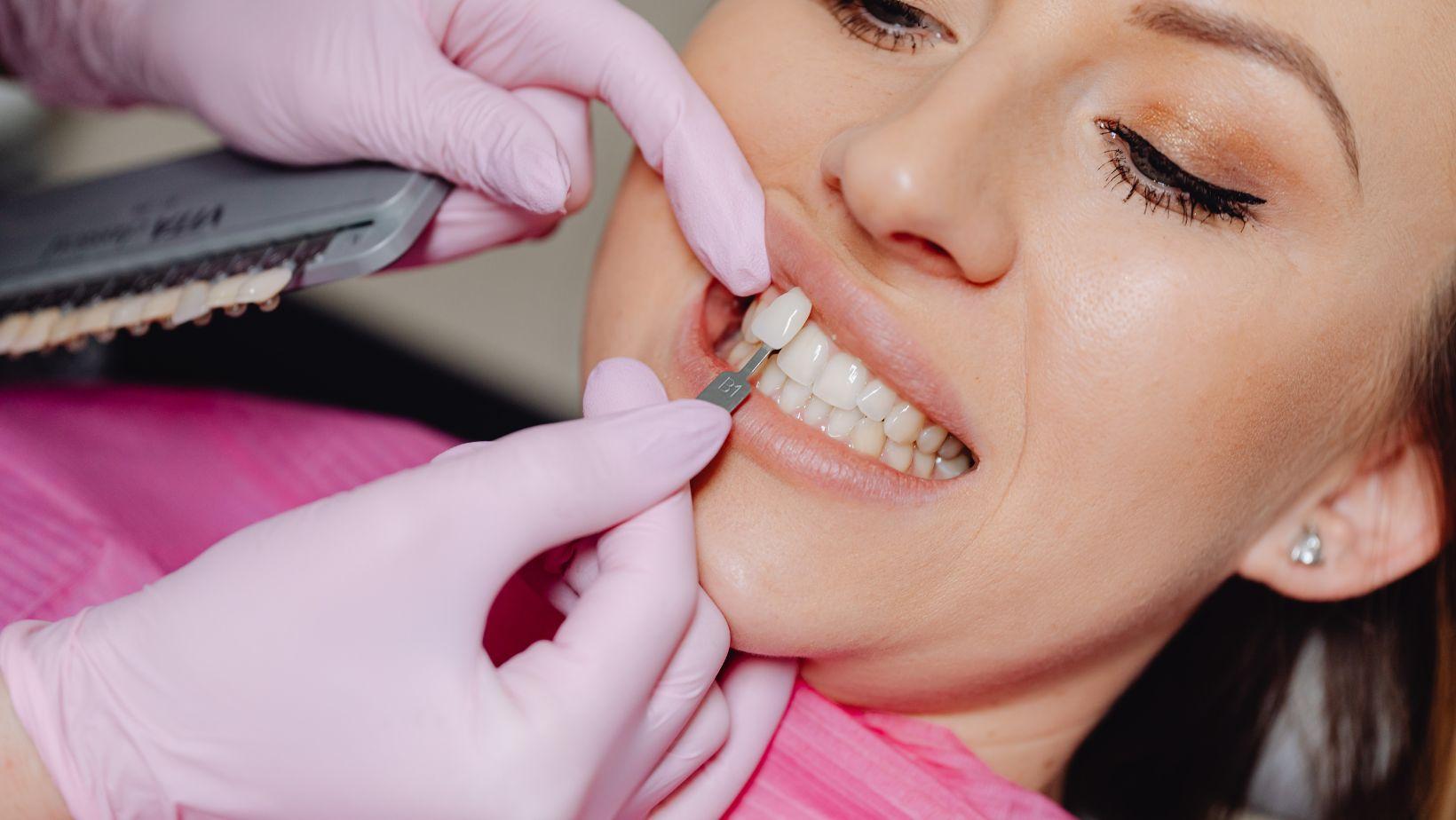
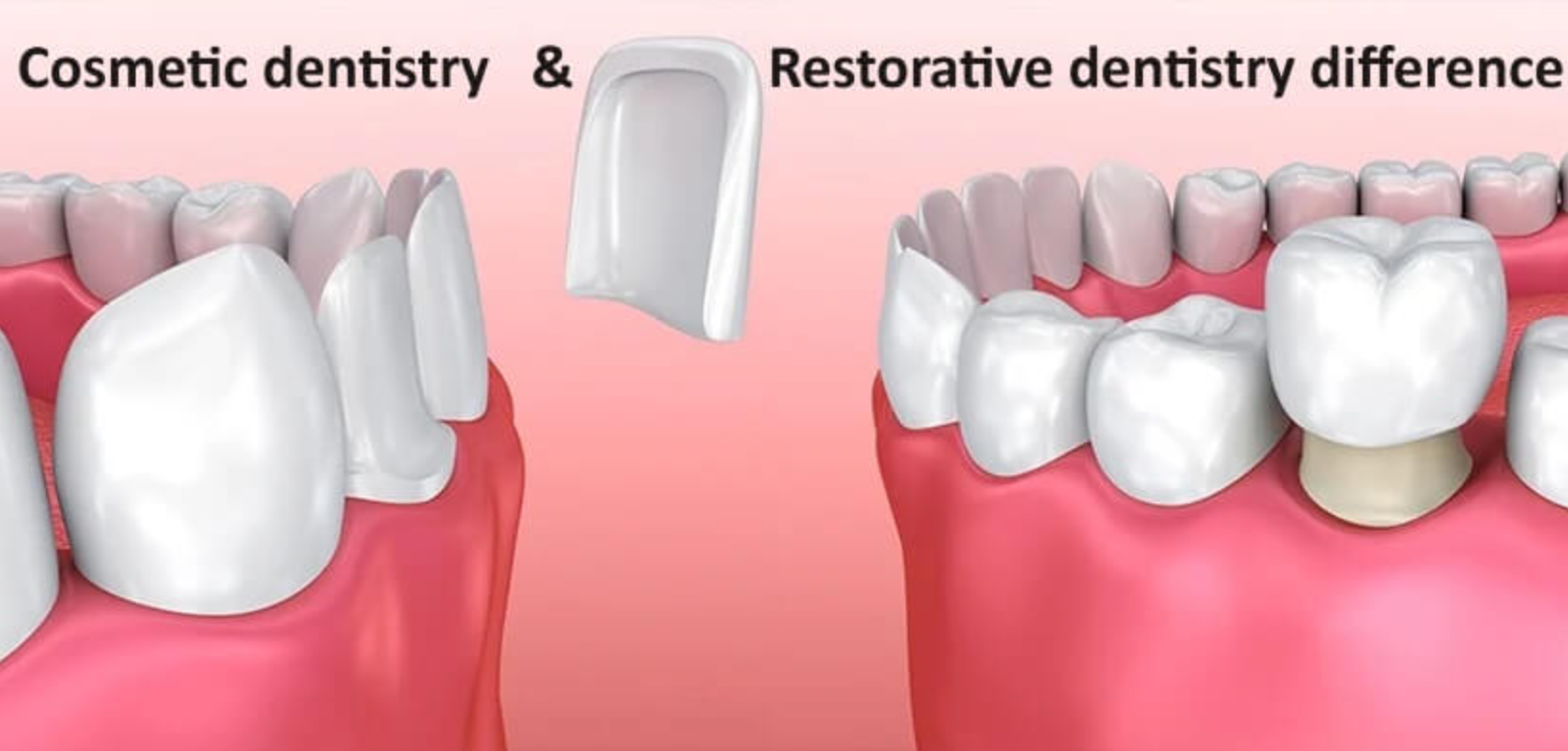
Crowns, bridges, or overdentures that are too bulky, too thin, or poorly polished will catch food. Open contacts between an implant restoration and neighboring teeth let food slip into the sulcus instead of being guided away by the contact point.
You’ll know it when food sticks between teeth or under the crown margins, and floss might shred or snag. Rough or weird emergence profiles also make flossing and interdental brushing tough.
Fixes include redesigning the crown contour, adjusting contact tightness, smoothing rough surfaces, or remaking the prosthesis with a better emergence profile and polished finish. Regular checkups help catch design problems before food impaction becomes a constant issue.
Oral Health Risks Linked to Food Retention
Food trapped around an implant feeds bacteria, irritates soft tissue, and makes cleaning harder. This local problem can turn into infections or even bone damage if you don’t deal with it.
Peri-Implantitis and Infection
Peri-implantitis is an infection of the tissues around an implant, usually from bacterial buildup. When food particles get stuck at the implant-abutment interface or under the crown, they encourage plaque and bacteria that release toxins into the gums.
You might notice redness, swelling, bleeding when you probe, deeper pockets, or a bad taste—these are early signs you shouldn’t ignore. Inflammation can keep progressing even if you brush normally, because bacteria hide under margins where your toothbrush just can’t reach.
Treatment can range from professional cleaning and antimicrobial rinses to surgical debridement if things get severe. Acting quickly usually stops things from getting worse and saves the implant. If you wait too long, infection can come back or turn chronic.
Bone Loss and Implant Failure
Chronic inflammation from trapped food can destroy the bone that holds your implant in place. Osteoclastic activity ramps up around inflamed sites, causing bone resorption and reducing implant support.
You probably won’t feel bone loss until it’s already significant. Radiographs and pocket measurements can reveal early changes, though.
Progressive bone loss can expose implant threads, mess with crown fit, and make the implant feel loose or painful. Preventive care—like regular professional maintenance, using targeted cleaning tools, and correcting crown contours or contact points—really helps minimize the risk of bone loss and implant failure.
Effective Prevention and Maintenance Strategies
Focus on targeted cleaning around implant crowns and abutments every day. Schedule regular professional checks, and book hygiene visits for deeper cleaning.
Use the right tools and techniques to remove trapped debris without hurting your gums or implant components.
Precision Oral Hygiene Techniques
Grab a soft-bristled toothbrush with a small head to clean around implant crowns and under pontics. Brush twice a day with gentle, circular strokes, and spend a little extra time where the crown meets your gum.
Floss with a threader or use interdental brushes sized for the gap next to the implant. Pick nylon-coated or single-tufted brushes for tight spaces. Avoid metal wires—they can scratch implant surfaces.
Think about using extras: antimicrobial mouthwash (keep chlorhexidine short-term for inflammation), a water flosser on low for sensitive areas, and interdental picks made for implants. Swap out your tools regularly and check for fraying or damage.
Routine Dental Evaluations
Book implant exams every 3–6 months at first, then at least once a year once things are stable. During visits, your dentist will check for bone loss, pocket depth, mobility, and gaps that let food get stuck.
If you have soreness, constant food packing, or changes in crown fit, speak up. Ask for a bite assessment to make sure uneven forces aren’t moving your crown or causing gum recession.
Get radiographs when your dentist recommends them to spot hidden bone changes. Jot down any bleeding, swelling, or repeated debris buildup so you can track patterns between visits.
Professional Cleaning Recommendations
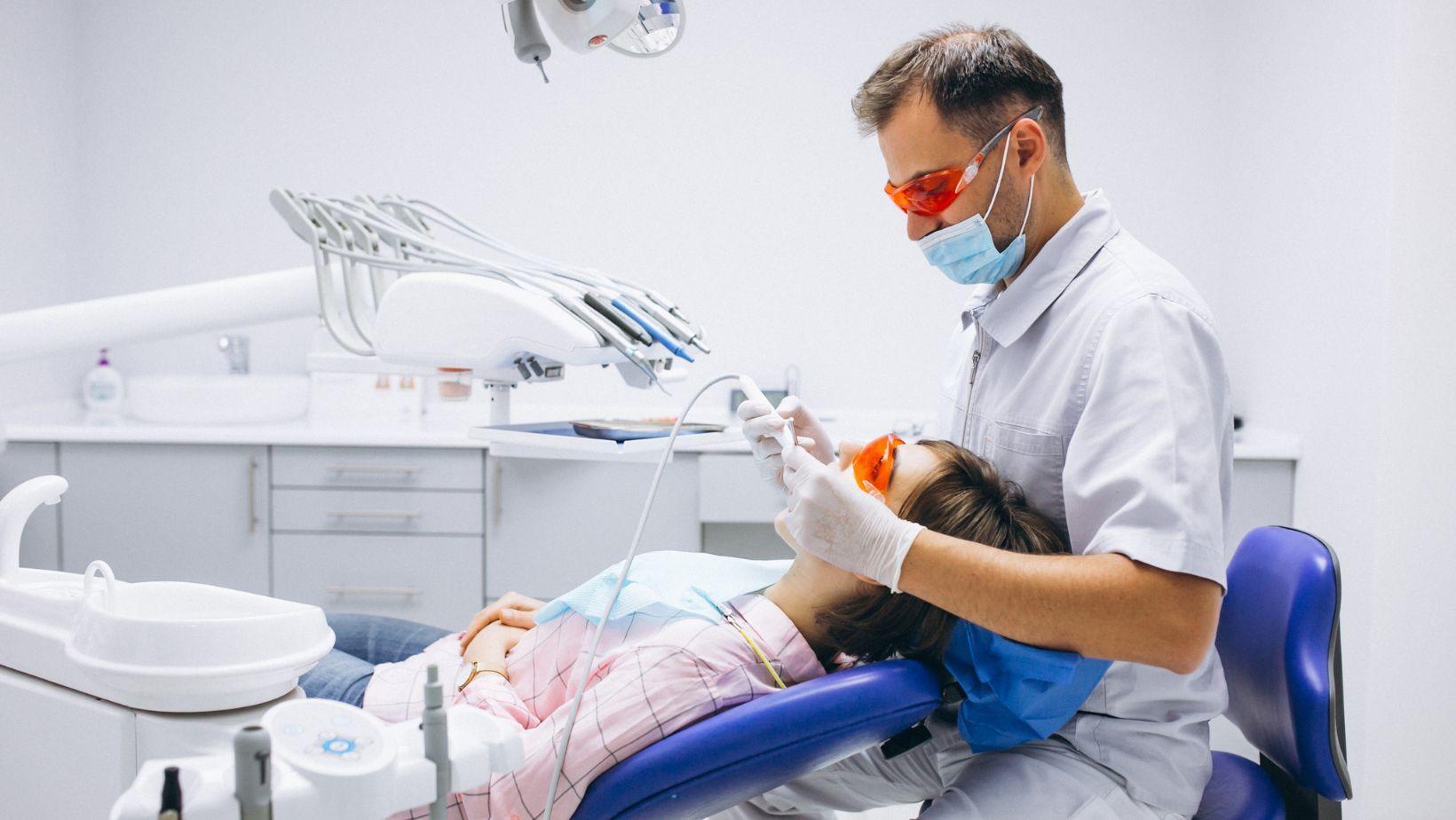
Book cleanings with a hygienist who knows their way around implants. They’ll usually stick to plastic, nylon, or titanium-coated tools that won’t scratch up the implant surface.
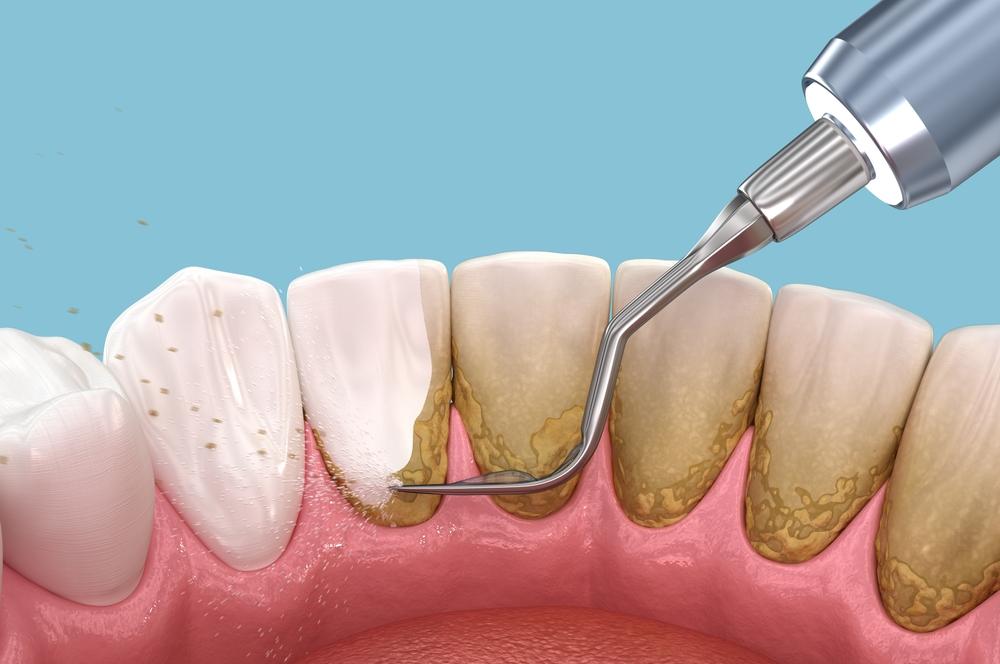
Sometimes, they’ll use ultrasonic scalers with special implant tips to clear away calculus. These need a gentle touch, but they can really help.
If you’ve dealt with peri-implant mucositis or periodontitis before, you might want to come in every 3–4 months. Hygienists can spot trouble, polish up the prosthetic parts, and check how your gums are holding up.
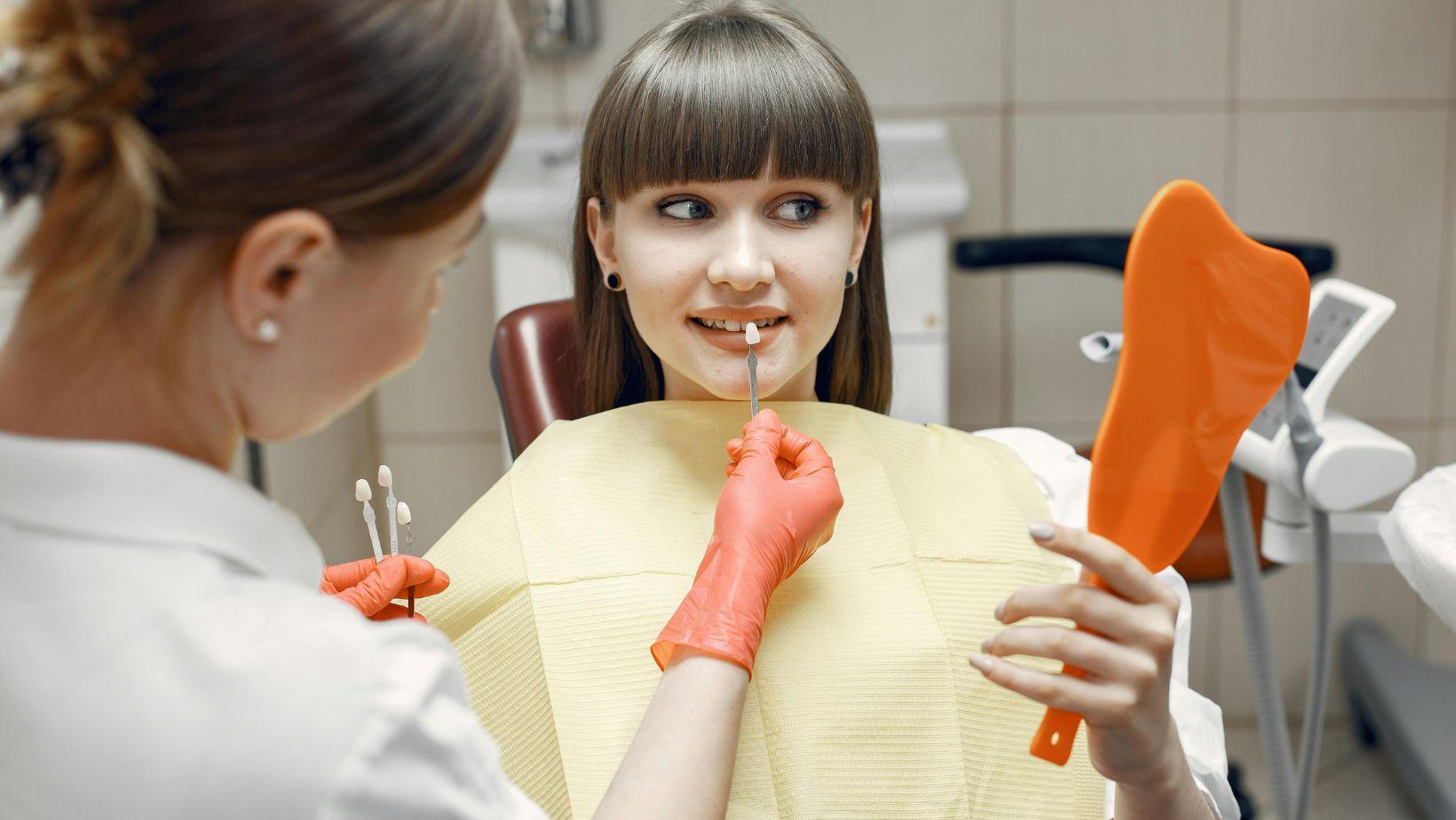
Keep getting food stuck under a restoration? It’s worth bringing up. You could talk about tweaking the crown shape, swapping out a poor-fitting prosthesis, or even adding a tiny papilla-restoring procedure.
Before jumping to surgery, see if some tweaks to your home-care routine could do the trick. Sometimes, that’s all you need.