

Table of Contents
ToggleYou might stick to a solid at-home routine, but tiny plaque deposits and hardened tartar still sneak into places your toothbrush just can’t reach. Professional dental cleaning in Inglewood, CA takes care of that buildup, spots early signs of gum trouble, and heads off issues that brushing alone can’t handle. That kind of protection saves you time, discomfort, and, honestly, a lot of money and hassle down the line.
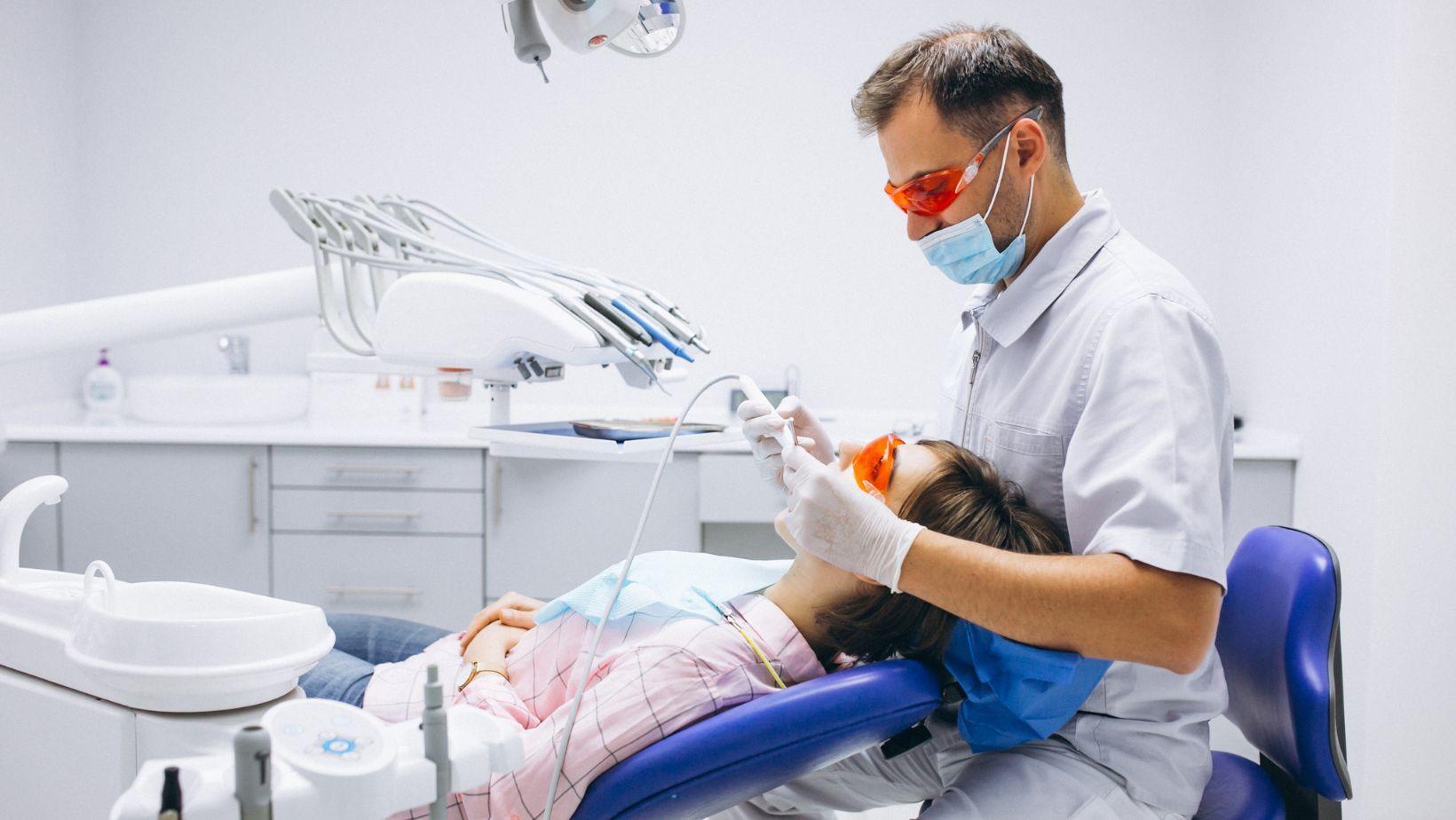
During a cleaning, your dental team uses tools and their own experience to clear beneath the gumline, polish stains, and check for sneaky issues that could affect your mouth—or even your overall health. They’ll usually explain what they find and help you create a plan so your daily care and their expertise actually work together.
How Plaque and Tartar Build Up Despite Daily Brushing
Plaque forms all the time and hides out in tight spots, along your gums, and between teeth. Over time, that sticky film hardens into tartar, which only a pro can remove.
Limitations of Toothbrushes
A toothbrush mainly cleans the surfaces you can reach. Bristles just don’t get into those tight spaces between teeth or along the gumline.
If you use that standard back-and-forth brushing, you’re probably missing the base of your teeth, where plaque loves to hang out. Electric toothbrushes help a bit by giving you more consistent strokes, but they still depend on your technique and how long you brush.
Two minutes with poor angling? That leaves behind deposits. Even if you’re brushing twice a day, you won’t reach plaque trapped under crowded teeth or in deep grooves.
Where Plaque Commonly Hides
Plaque hides in three main areas: between your teeth, along the gum edge, and in the pits and fissures of chewing surfaces. You can’t really clean between teeth with a brush alone—floss or those tiny interdental brushes are a must for those spots.
Crowded or crooked teeth create little hideouts for bacteria and food debris. Dental work like rough fillings or crowns that don’t fit right also trap plaque, making things trickier.
Understanding Tartar Formation
Tartar forms when plaque picks up minerals from your saliva and hardens. That can start in just a day or two if plaque sits undisturbed, and it only gets tougher to remove as it calcifies.
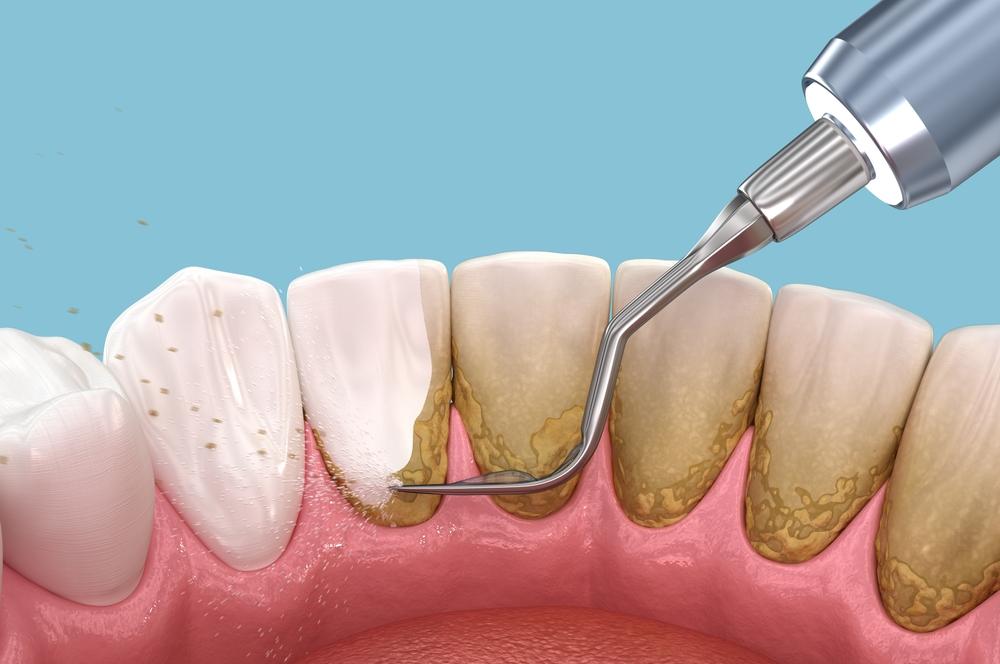
Once tartar sticks, your brush and floss can’t get it off. Only a dental hygienist with special tools or an ultrasonic scaler can safely take it away.
Tartar also creates a rough surface, which gives new plaque even more places to grab on, raising your risk for cavities and gum irritation.
Health Benefits of Professional Dental Cleaning
Professional cleanings get rid of hardened deposits, cut down bacteria, and give your dentist a clear look at what’s really going on. That helps protect your gums, reduce decay, and catch problems before they turn into bigger headaches.
Protection Against Gum Disease
Tartar forms above and below your gumline, and brushing or flossing won’t remove it. Hygienists use scaling tools to scrape away tartar and break up bacterial biofilms that set off inflammation.
Getting rid of these deposits and smoothing your roots helps your gums reattach and cuts down on bleeding and swelling. Dentists track these markers to prevent gum disease from getting worse.
Professional cleanings often include polishing and, when needed, antimicrobial rinses. Those steps knock down the bacteria that cause gingivitis.
If you already have gum problems, you’ll probably need more frequent cleanings or deeper treatments to keep the infection in check and protect the bone that holds your teeth.
Reducing the Risk of Tooth Decay
Plaque hides acid-producing bacteria that eat away at enamel and start cavities, especially in grooves and between teeth. Professional cleanings remove plaque from those hard-to-reach areas, especially along the gumline and between tight contacts.
Hygienists might apply fluoride varnish or suggest high-fluoride toothpaste if your enamel’s looking a bit weak. These treatments help strengthen enamel and can even reverse the very early stages of decay.
Sometimes, they’ll recommend sealants for deep grooves on your back teeth if you’re prone to cavities. By combining hands-on cleaning with topical treatments, you’re less likely to need fillings or more invasive fixes later.
Early Detection of Oral Health Issues
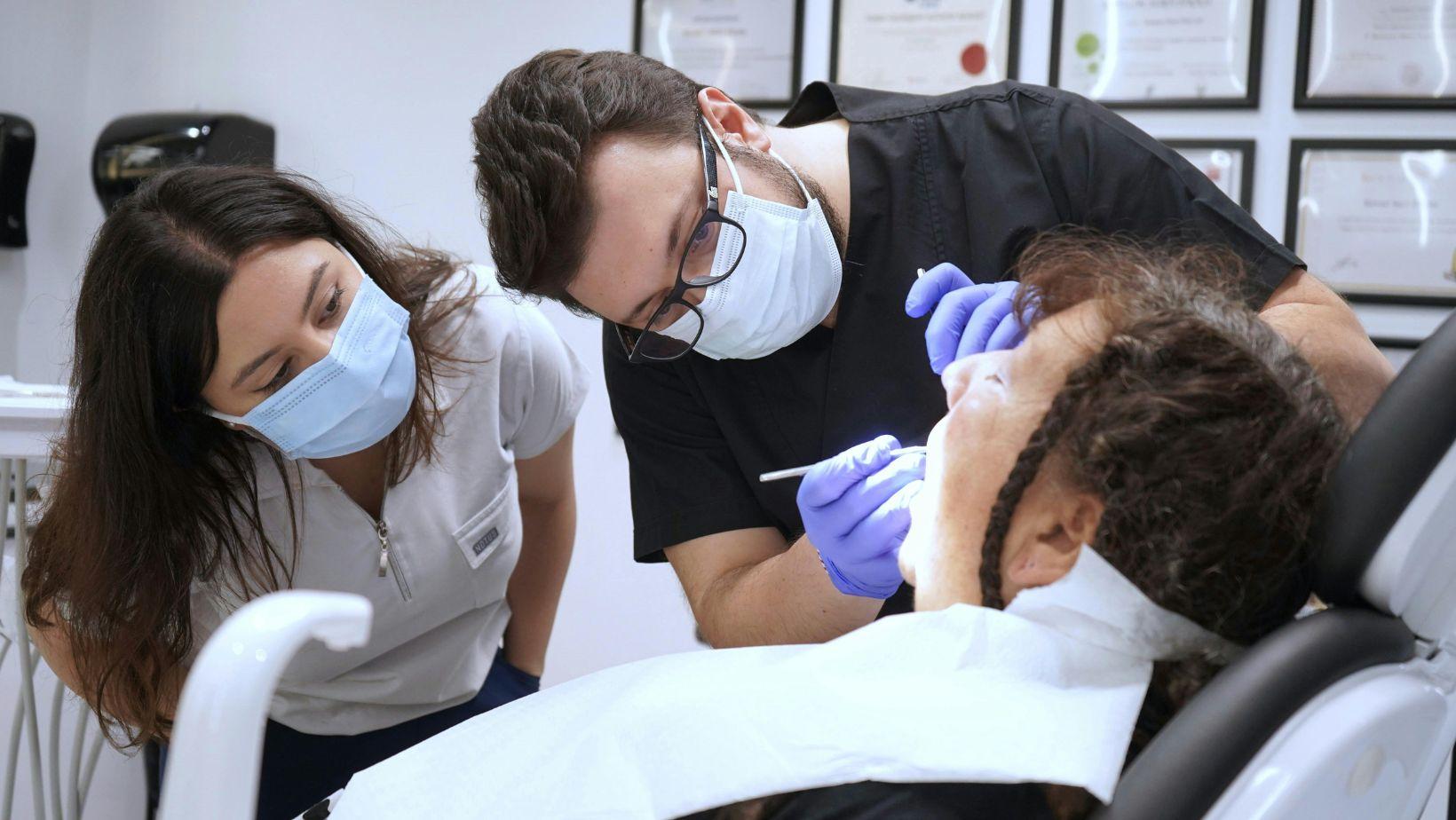
During a cleaning, your hygienist and dentist look for things you might not notice: new cavities, cracked teeth, receding gums, loose fillings, or even early signs of oral cancer. Regular visits create a record, so small problems get handled before they get worse.
Dentists check with probing, visual exams, and sometimes X-rays to find hidden issues between teeth or below the gums.
If they spot risk factors—like dry mouth, heavy tartar, or something unusual—they’ll give you specific advice or referrals right away. That way, you get the right care when you actually need it.
Long-Term Impact on Overall Wellness
Regular cleanings pull out plaque and tartar you can’t reach at home and let your dental team catch early signs of trouble. That reduces inflammation in your mouth and can even lower risks that affect the rest of your body.
Connection Between Oral and Systemic Health
Bacteria from gum disease can get into your bloodstream when you chew or brush. Once there, they and the inflammation they cause can affect blood vessels and other parts of your body.
When your hygienist removes biofilm and controls gingivitis early, you lower overall inflammation. Dentists also keep an eye out for signs tied to diabetes, heart disease, and lung problems during cleanings, so you can get medical follow-up if needed.
You’ll probably notice fewer bleeding gums, less bad breath, and clear records (like pocket depths and bleeding points) that track your improvement and help your other healthcare providers, too.
Lowering the Chances of Chronic Conditions
Keeping periodontal inflammation under control helps cut down on factors that contribute to chronic conditions like atherosclerosis and poor blood sugar management.
When you treat gum disease, you might notice improvements in markers like HbA1c if you have diabetes. That can really lower your risk for complications.
During a cleaning, your clinician gets rid of stubborn calculus you can’t reach on your own. They also walk you through ways to target problem spots at home.
This combo—professional cleaning and better daily habits—makes it less likely you’ll deal with recurring infection or those annoying spikes in inflammation that stress your immune system.
If you have heart disease risk or diabetes, it’s smart to make cleanings a routine part of your preventive care. Don’t forget to share your dental records with your doctor so everyone stays on the same page.